
2,390 gram panchayats in Tamil Nadu declared tuberculosis-free for 2025
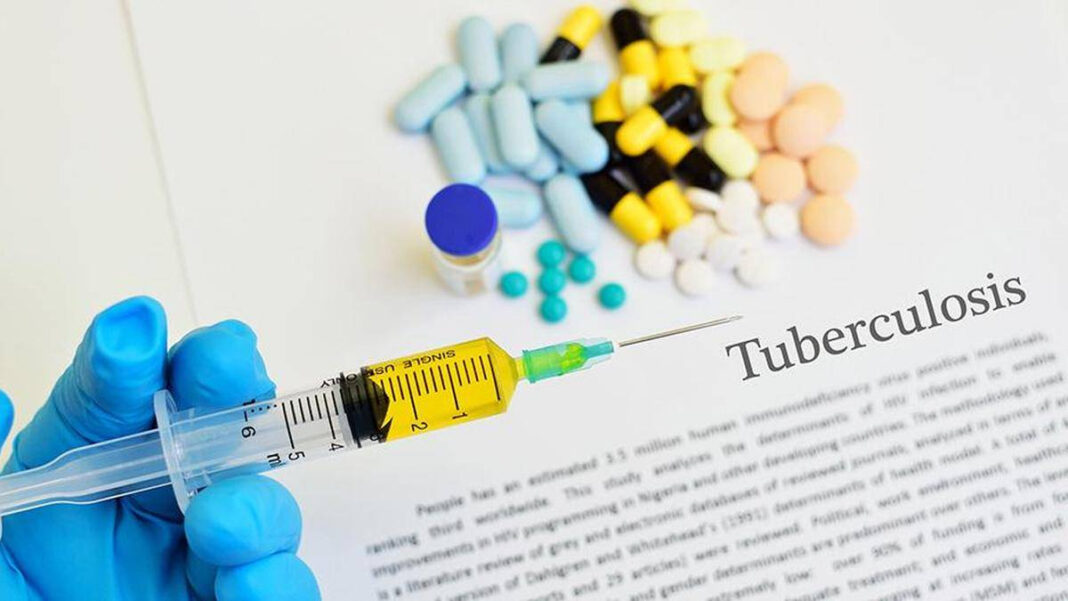
A total of 2,390 gram panchayats across Tamil Nadu have been certified tuberculosis (TB)-free for 2025 under a State-led push to make TB elimination a community-owned effort. The panchayats were recognised after verification under the national framework, and were felicitated in their respective districts for their role in prevention, early detection, diagnosis, treatment and patient support.
Community-led drive under ‘TB Free Panchayat’
State TB Officer Asha Frederick said the ‘TB Free Panchayat’ initiative is designed to anchor TB elimination at the grassroots level, with local bodies actively supporting every stage of the response. The State acknowledged the collective contributions of panchayat representatives, health teams and communities in achieving the TB-free status for 2025.
How TB-free status is determined
Panchayats were evaluated against a set of national criteria, including:
- Achieving a target of examining 30 or more presumptive TB persons through NAAT and/or microscopy per 1,000 population in the year;
- Maintaining a TB notification rate of one or fewer per 1,000 population for the year; and
- Recording a treatment success rate of 90% or more among notified drug-sensitive TB patients.
Officials said these benchmarks are intended to encourage comprehensive community outreach, robust diagnostic coverage and strong treatment adherence—all of which are central to sustained TB control.
JOSH Teams launched; five districts selected for Phase I
In a parallel effort to bolster participation at the grassroots, the Ministry of Health and Family Welfare, Government of India, in collaboration with the Ministry of Youth Affairs and Sports and the Ministry of Defence, has launched the JOSH Team (Joint Squad for Health) programme nationally. Tamil Nadu has selected Thoothukudi, Tiruchi, Cuddalore, Dharmapuri and Theni for Phase I implementation of field activities under this initiative.
Each JOSH Team is led by a designated Class-I Nodal Officer and supported by five “MY Bharat” volunteers and five NCC cadets. Operating at the block level, the teams will work in coordination with the National TB Elimination Programme (NTEP) to strengthen awareness, conduct regular community outreach, identify and refer people with TB symptoms, and mobilise residents for screening and related field-level activities.
TB burden and progress indicators
According to the National TB Elimination Programme, Tamil Nadu’s estimated TB incidence has declined from 192 per lakh population in 2015 to 171 per lakh in 2024. However, the demand for sustained action remains significant: between January and September 2026, 65,259 TB patients were notified in the State, underscoring the ongoing need for early detection, effective treatment and sustained community engagement.
To accelerate progress, Tamil Nadu has intensified measures across the care cascade, including targeted screening, chest X-rays, molecular testing, early treatment initiation, preventive therapy and differentiated care for high-risk TB patients.
What the JOSH Teams will do on the ground
Dr. Frederick said that at the block level, the JOSH Teams will mobilise communities to raise awareness of TB, its early symptoms and the availability of free diagnostic and treatment services. They will conduct village- and ward-level awareness drives and youth-led campaigns to normalise help-seeking and reduce delays in diagnosis.
The teams will also provide patient support by acting as local “support buddies” for TB patients adopted under the Ni-kshay Mitra initiative. Their role will include encouraging treatment adherence, offering psychosocial support and helping to reduce stigma within communities. In addition, the JOSH Teams aim to build a cadre of young TB Champions to strengthen the “TB Mukt Bharat” movement at the grassroots.
Linking patients to welfare and nutrition support
As part of their mandate, JOSH Teams will facilitate the distribution of nutritional kits provided by Ni-kshay Mitras (donors) to TB patients and link eligible individuals to additional welfare schemes such as ration support, social security and health benefits. This social support is expected to complement medical interventions by addressing some of the socioeconomic factors that can affect treatment adherence and recovery.
Recognition and next steps
Following certification, the TB-free gram panchayats were felicitated locally, highlighting the shared responsibility and coordinated effort of local governance, health workers and residents. State officials emphasised that maintaining TB-free status requires continued vigilance—sustained screening, strong notification practices and high treatment success rates—to ensure that gains made in 2025 are consolidated in subsequent years.
Why it matters
The expansion of TB-free panchayats, coupled with the rollout of JOSH Teams, reflects a dual strategy: maintaining high-performance standards in areas with reduced TB burden, while intensifying outreach and support in districts with ongoing transmission. With thousands of TB notifications still being recorded annually, the State’s focus on early detection, comprehensive care and community-driven support remains central to its elimination goals.