
CPJ: 43 journalists detained, several assaulted while covering protests against CEC Gyanesh Kumar
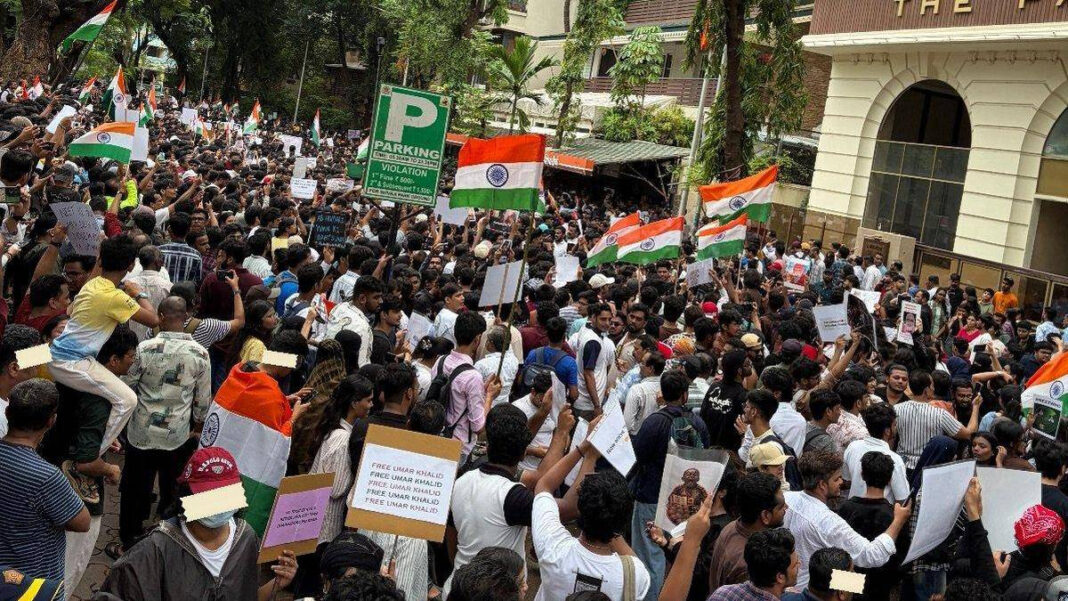
At least 43 journalists were temporarily detained — and some assaulted — while covering protests against Chief Election Commissioner (CEC) Gyanesh Kumar over allegations of voter-list manipulation in multiple Indian cities on October 10 and 11, 2026, the Committee to Protect Journalists (CPJ) said. The detentions were concentrated in New Delhi, where the main demonstrations took place, and extended to solidarity protests in Ahmedabad, Pune and Mumbai.
Detentions across cities, despite court assurances
Based on its review of news reports, direct interviews, and verified social media posts by editors, journalists, and newsrooms, CPJ said at least 39 journalists were detained in New Delhi over two days. Four more were detained during solidarity actions in other cities on October 10, including Alt News correspondent Kinjal in Ahmedabad and Scroll’s Divya Aslesha in Pune. In Mumbai, The Quint’s Swati Chopra and Mohit Manwani were detained at Shivaji Park on October 11 while covering a solidarity protest, bringing the total to at least 43.
CPJ said police continued to detain journalists “even after Supreme Court justices won assurances from Solicitor-General Tushar Mehta on October 11 that lawyers, journalists, and other professionals would not be impeded in their professional duties.” Authorities “seized at least five phones, pressured at least one journalist to delete footage, and drove some to holding sites up to 65 kilometres (40 miles) away,” the organisation reported. At least five journalists were struck by police, according to their own accounts or those of their outlets, CPJ added.
Alleged assaults and equipment seizures
On October 10, journalist Rana Ayyub posted on X that police threatened to detain her after she questioned whether they were facilitating a man who was abusing protesters. She told CPJ that, despite knowing she was a journalist, officers “beat her with a lathi (baton), resulting in injuries that are still causing her pain.”
Siasat Daily reporters Mohammed Aslam Hussain and Sheikh Abdul Mukarram were “surrounded” by police early on October 10, their phones were snatched, and their microphone was broken, the outlet reported and confirmed to CPJ. The reporters were held in a room before being taken to Rajiv Gandhi Stadium in Bawana, where they remained until around 5 p.m. When their phones were returned, all data had been erased, CPJ said.
That same day, current-affairs YouTuber Kavya Karnatac said in a video that police stopped her vehicle, “pulled her and her crew out, and put them in a bus without saying why or where they were being taken.”
Delhi: dozens held over two days
CPJ’s report details a series of detentions of journalists in the capital on October 10, including Scroll’s Ayush Tiwari and Shoaib Daniyal; Business Standard’s Anushka Bhardwaj; Newslaundry reporters Ashwine Kumar Singh, Astha Savyasachi and Anmol Pritam, and intern Anshu; Reuters’ Saurabh Sharma; Navbharat Times’ Hritik Joshi and Rahul Charas; BOOM’s Jagriti Trisha; Shivang Shukla of Mo, India Today’s digital video platform; Molitics’ Amaan Rastogi; The Quint’s Sarthak Jaiswal; Reporter TV’s Roshni Rajan and Farza TM; independent journalists Shrishti Khanna and Prashant Pundir; No Noise Stories’ Vivek Gupta; Alt News intern Agniva Ray; and Bengali-language newspaper Ei Samay’s Shaptadeep Saha. Most were carrying press cards, according to CPJ.
On October 11, detentions in Delhi continued. Those held included Indian Express Hindi reporters Shashwat, Siya and Vijay; Hindustan’s Ashish Singh; Nayab World’s Nitin Katiyar; Ulta Chasma founder Pragya Mishra; and independent journalists Nidhi Suresh and M. Rajshekhar, CPJ said.
Journalists describe forceful handling by police
Despite clearly displaying press accreditation, Peek TV journalists Vedanta Agarwal and Sara Khan were detained while filming police actions against protesters on October 11, CPJ reported. Ms. Khan said a male police officer grabbed her by the neck and pushed her toward a female officer.
Independent journalist Shyam Meera Singh was detained after being heckled and abused by Hindu right-wing activists, according to CPJ. His X account was subsequently withheld in India.
At least three journalists from Malayalam-language news channels were also detained on October 11 and released a few hours later, CPJ said. Asianet News reporter Sajin A. was held and released after about half an hour, the outlet’s Delhi head, Prashanth Raghuvamsam, confirmed to CPJ.
Reporters from 24 News also faced forceful treatment, according to the outlet. CPJ cited 24 News’ account that police “grabbed 24 News reporter Suhail Mohammed by the neck and forced him into a police vehicle while he was filming.” The outlet said its video journalist V.S. Rahul was likewise detained, his camera snatched, and microphone thrown away.
That evening, The Caravan’s assistant multimedia producer Ryan Thomas was dragged into a detention bus on Janpath Road as he filmed a detention with his press card visible, CPJ said. When he refused to delete footage, police “hit him repeatedly on the head,” slapped him, and “prodded him in the stomach with a gun butt” in a police car before releasing him at Connaught Place, according to CPJ’s account.
Protests and context
The demonstrations focused on allegations of manipulation of voter rolls and targeted CEC Gyanesh Kumar. While the principal protests occurred in New Delhi, solidarity gatherings in Ahmedabad, Pune and Mumbai also drew coverage from national and regional media, during which several journalists were detained, CPJ reported.
Official response
CPJ said it emailed the Delhi Police for comment on the detentions and allegations of assault and equipment seizure but did not immediately receive a response.
Significance
The incidents outlined by CPJ underscore escalating concerns about press freedom and journalists’ ability to safely report on politically sensitive demonstrations. The group’s findings, including detentions that took place after assurances to the Supreme Court that professionals would not be impeded, point to persistent risks faced by reporters on the ground as they document protests and police action.