 "
/>

‘Forceful Action’
Taiwan Drives Away 16 Chinese Ships Involved in Maritime Harassment
In a significant display of maritime vigilance, Taiwan’s authorities reported on a recent incident wherein they successfully drove away 16 Chinese ships accused of engaging in “maritime harassment.” The incident highlights ongoing tensions between Taiwan and China, as both sides continue to assert their territorial claims in the strategically important waters surrounding the island.
Context of the Incident
Taiwan, officially known as the Republic of China (ROC), has a tumultuous relationship with the People’s Republic of China (PRC), which views the island as a breakaway province. Over the past few years, Chinese military activities around Taiwan have intensified, including frequent incursions into Taiwan’s air defense identification zone (ADIZ) and naval exercises in adjacent waters. These provocations have heightened concerns over potential conflicts over territorial sovereignty and control of key maritime routes.
Details of the Incident
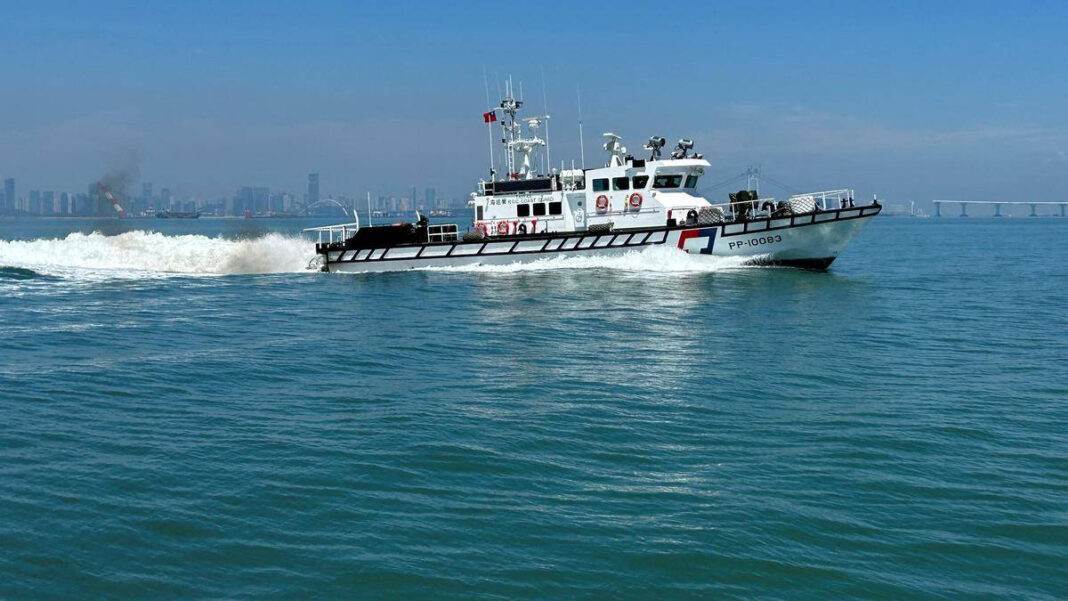
According to reports from Taiwan’s Ministry of National Defense (MND), the incident occurred during a routine patrol in the Taiwan Strait and nearby waters where Taiwanese fishing activities were taking place. The 16 Chinese vessels were allegedly involved in harassing local fishermen and other maritime activities in the area, prompting a swift response from the Taiwanese military and coast guard.
The Taiwanese forces utilized ships and aircraft to monitor the situation and issued warnings to the Chinese vessels to cease their activities. The ships reportedly retreated after the intervention, underscoring Taiwan’s determination to assert its rights over its territorial waters and provide protection for its fishing industry.
Government Response
Taiwanese officials emphasized the importance of safeguarding the country’s maritime interests and maintaining peace in the region. In a statement, the MND reiterated its commitment to protecting national sovereignty and ensuring the safety of Taiwanese fishermen operating in disputed waters.
Furthermore, Taiwanese President Tsai Ing-wen has previously highlighted the need for strong defenses against Chinese aggression. As tensions rise, Taiwan has been strengthening its military capabilities and enhancing cooperation with allies, such as the United States, to counteract China’s assertive maritime posture.
Regional Implications
The incident is not an isolated event but reflects a broader pattern of maritime harassment that has become increasingly common in the region. Chinese vessels have, in various instances, clashed with Japanese, Vietnamese, and Philippine ship crews, often over fishing rights and territorial claims in the South China Sea and other oceans.
This latest confrontation may prompt further international scrutiny. Many countries, including the United States, have expressed support for Taiwan’s right to self-defense and have called for peaceful resolutions to maritime disputes. The ongoing military activities could also contribute to an increased American presence in the area, as the U.S. seeks to uphold freedom of navigation and counter China’s expanding influence.
Conclusion
As tensions continue to simmer in the Taiwan Strait, the successful intervention by Taiwanese forces underscores the delicate balance of power and the complexities of sovereignty in the region. Given the strategic importance of the waters surrounding Taiwan and the historical context of its relationship with China, both local and international observers will be closely watching how future incidents unfold and how they may affect regional stability and security dynamics. Taiwan remains vigilant in its defense of its territorial rights while navigating an increasingly challenging geopolitical landscape.