
 "
/>
"
/>

‘Ballet is for every body type’: Indian ballerina Dhvani Kothari challenges stereotypes
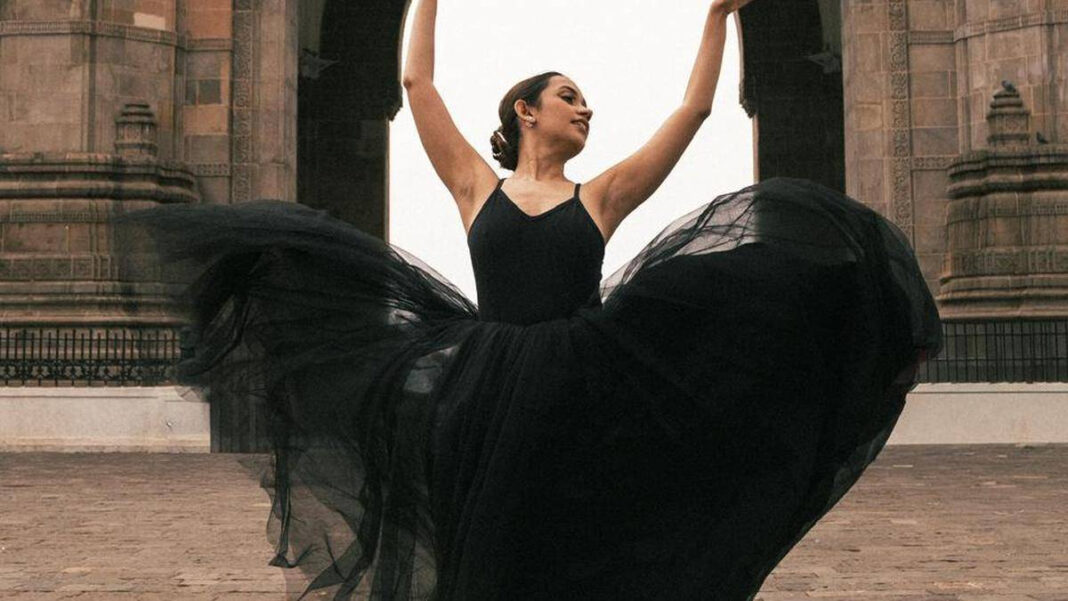
In a bustling ballet classroom in Mumbai, the air is buzzing with the energy of young girls clad in colorful leotards and tutus. They twirl, chatter, and occasionally stumble, while some effortlessly drop into splits like it’s second nature. Amidst the cheerful chaos, Dhvani Kothari, founder of the National Ballet School of India (NBSI), observes her vibrant students — over 250 of them, ranging from eager three-year-olds to a determined 44-year-old mother of two. Kothari is on a mission to reshape the perception of ballet in India, making it an inclusive art form for everyone.
Background of a Passionate Ballerina
Dhvani Kothari’s journey into the world of ballet is as extraordinary as her ambitions. At just 13 years old, she had dabbled in various dance forms like jazz and hip hop; however, none resonated with her. It wasn’t until a Russian ballet instructor visited India that Kothari discovered her true calling. “When I tried ballet, it was an instant click. I knew I belonged to it. I can just be myself here,” she recalls. This pivotal moment set her on a path toward formal training, which ultimately took her to Croatia and Hungary.
Despite being a late starter in ballet, Kothari excelled, winning accolades nearly as quickly as she began training. At 19, she clinched first place at the Bosphorus Ballet Festival in Turkey, competing against participants from 75 countries. This significant win reinforced her belief that with structured training, Indian dancers could shine on the international stage.
Establishing the National Ballet School of India
In 2019, motivated by her passion for ballet and the desire to share it with others, Kothari founded the National Ballet School of India. Within a year, the school flourished and attracted over 100 students. However, the onset of the COVID-19 pandemic posed significant challenges, forcing ballet classes to shift online—an especially difficult transition for a discipline that thrives on physical interaction and correction.
“Bringing ballet to a country that still didn’t understand it was a struggle, and then to shift all of that to an online mode was tough,” Kothari admits. Yet, with the backing of her dedicated students, she adapted to the situation and continued to foster a love for ballet.
Aside from teaching, Kothari faced the daunting tasks of developing a curriculum, introducing examinations and competitions, organizing shows, and building an effective administrative framework for the school. NBSI adheres to the Vaganova method of Russian ballet, which emphasizes rigorous training and technical precision, allowing students to follow a structured syllabus over seven to eight years.
Challenging Misconceptions and Promoting Inclusivity
One of Kothari’s primary goals is to dismantle the stereotypes associated with ballet. The art form is often considered a pursuit for girls alone or treated as a casual hobby. Furthermore, there’s a misconception that beginners immediately begin dancing en pointe, while in reality, this advanced technique generally comes much later and is contingent upon an individual’s strength and training level. Kothari asserts, “Ballet is for every body type, because there is really no limitation to how you do it.”
Despite her efforts, Kothari faces hurdles, particularly the glaring shortage of male dancers in ballet. Her school currently has only six boys, a stark contrast that becomes evident during performances. “A proper classical ballet routine requires male dancers too, as certain roles demand their presence. I hope to see more boys pursue this form,” she expresses, underlining the importance of gender inclusivity in ballet.
The Evolving Landscape of Ballet in India
The infrastructure for ballet in India is slowly but surely evolving. Cities like Mumbai boast venues such as the Royal Opera House and the NMACC dedicated to the arts. However, Kothari emphasizes that the availability of spaces suitable for full-scale ballet productions remains limited, particularly as many studios still lack sprung flooring—an essential aspect of safe ballet practice.
Ballet for Kothari transcends the confines of the studio. “It is a way of life for me because every aspect of me is linked to the dance form. My sleep, diet, and even thought process are shaped by ballet,” she shares with a hint of pride. Yet, she clarifies, “And no, I don’t survive on salads alone. I include plenty of protein in my meals and occasionally indulge in a slice of chocolate cake.”
A Vision for the Future
While Kothari’s ambitions revolve around attracting more children to ballet, she aspires for deeper changes within the dance community in India. Currently, students wishing to pursue ballet professionally often have to seek advanced training abroad, creating a sense of loss as they leave. “We train them and then watch them leave. Ideally, I would like to see them perform and build their careers here,” she envisions.
The perception of ballet as an exclusive performance art is shifting, with Kothari and her students making strides in various sectors beyond the stage. They have worked on film sets, provided movement direction for Bollywood actors, and collaborated with diverse brands and cultural institutions. The school stages its own productions, contributing to a growing ecosystem of ballet in India.
As the music begins once again in the studio, the young dancers return to their positions at the barre. For Kothari, readying them for their next class isn’t just about technique; it’s about instilling a lifelong passion for ballet and forging a future where the art form truly belongs to everyone.