
BMTC to introduce automatic passenger counting system on 30 buses in Bengaluru
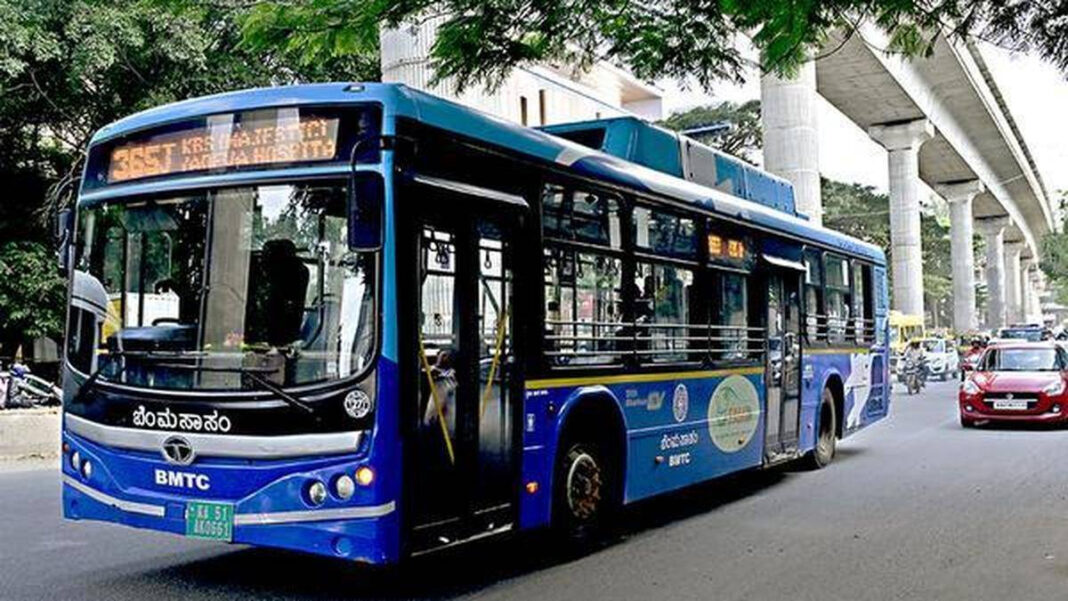
The Bengaluru Metropolitan Transport Corporation (BMTC) is set to equip 30 selected buses with an Automatic Passenger Counting (APC) system to capture precise data on passenger movement, occupancy, and boarding and alighting patterns. Officials said the initiative is aimed at strengthening service planning and operational oversight by providing reliable, automated passenger data that can also be cross-verified against existing electronic ticketing records.
Why BMTC is turning to automated counting
BMTC officials said the APC system is intended to deliver real-time and historical information on how many passengers board and alight at each stop and how full buses are across routes and trips. The corporation expects the data to support route and schedule planning, service rationalisation, analysis of passenger loads, and the identification of overcrowding hotspots.
Crucially, the system will allow BMTC to compare APC readings with numbers captured by its Electronic Ticketing Machines (ETMs), including tickets issued to students and various categories of pass holders. This independent verification, officials said, could help the corporation better understand ridership patterns that are not always evident through ticketing records alone.
How the APC system will work
“The APC system will be installed at passenger doors and will use sensors and onboard equipment to automatically detect passenger movement. The proposed solution will also include software and backend systems to process the data generated by the devices,” an official explained.
Under a tender called by BMTC, the chosen provider will be required to deliver a system capable of producing detailed passenger data broken down by route, vehicle, trip, and stop, as well as across different time periods. The solution is expected to include dashboards, analytical tools, and downloadable reports to enable in-depth examination of passenger trends and operational performance.
Integration with existing systems
An important component of the project is integrating the APC solution with BMTC’s current technology stack. According to the tender specifications, the system should support integration with the corporation’s Automatic Vehicle Location System (AVLS), the ETM platform, and other systems wherever necessary and where BMTC provides the required interfaces and data. Such integration is intended to allow BMTC to correlate passenger counts with vehicle locations, schedules, and fare collections.
Accuracy standards and verification
The tender mandates that the APC system achieve at least 95% counting accuracy during commissioning. As part of acceptance testing, BMTC will verify APC counts against corresponding ETM data. The successful service provider will be responsible for calibration and any necessary corrections based on observations made during this testing phase to ensure the system consistently meets the prescribed accuracy standard.
Tackling revenue leakage and fare evasion
In addition to planning and operational benefits, BMTC believes the APC system could help curb revenue leakage. Another senior BMTC official said the technology may aid in identifying losses arising from two persistent issues: pilferage by employees and passengers travelling without tickets.
“At present, checking inspectors penalise ticketless passengers and recommend disciplinary action against conductors found involved in corrupt practices. However, the corporation has been unable to effectively control pilferage. This system may help us identify and address these issues more effectively,” the official added.
What the data will enable
Once deployed, the APC-generated data is expected to provide BMTC with:
- Automated counts of passengers boarding and alighting at each stop
- Onboard occupancy levels across individual trips and routes
- Passenger movement analytics by route, vehicle, trip, and stop
- Comparisons between APC counts and ETM-issued tickets, including those for students and pass holders
- Trend analyses across different time periods, accessible via dashboards and downloadable reports
Officials said these insights will be used to refine schedules, match capacity to demand, and intervene where persistent overcrowding or underutilisation is observed. For services that see significant pass usage, the counts can serve as an additional source of truth for ridership, complementing ticketing data.
Next steps
With the tender now issued, BMTC will evaluate bids for the hardware, software, backend systems, and integration services required to deploy the APC on the 30 selected buses. The corporation has not disclosed an implementation timeline, but officials noted that commissioning will hinge on meeting accuracy requirements and completing successful integration and testing.
Significance
By introducing automated passenger counting on a subset of its fleet, BMTC aims to enhance the reliability of its ridership data and improve decision-making around routes, schedules, and capacity allocation. If successful, officials say, the system could also strengthen fare compliance oversight and help the corporation address long-standing concerns around pilferage and ticketless travel.