 "
/>
"
/>

U.S. Supreme Court Allows Quick Deportations to Third Countries to Resume Temporarily
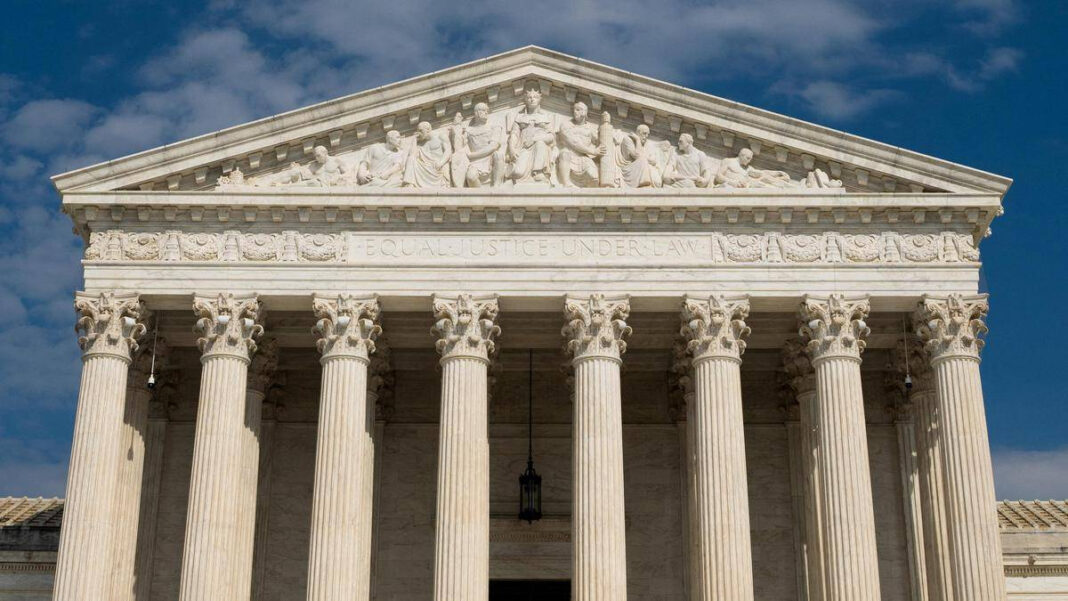
In a significant decision concerning immigration policy, the U.S. Supreme Court has temporarily allowed the federal government to resume the expedited deportation of migrants to third countries. This ruling comes at a time when the Biden administration is attempting to navigate complex immigration challenges and seek solutions for the ongoing border crisis.
Context of the Ruling
The Supreme Court’s decision arrives amid a high-stakes environment surrounding immigration enforcement. The case at hand revolves around the legality of the Biden administration’s plan to expedite the deportation of certain asylum seekers to third countries, particularly under agreements made with nations such as Guatemala, Honduras, and El Salvador. These agreements, often referred to as “safe third country” agreements, permit the U.S. to send individuals seeking asylum back to countries that are deemed safe, where they would have the opportunity to apply for refuge.
The controversy stems from differing interpretations of human rights and legal standards for these asylum seekers. Critics argue that third countries lack the necessary protections and resources to handle an influx of refugees, putting vulnerable individuals at risk. Proponents, including government officials, assert that such measures are crucial for maintaining border security and managing immigration effectively.
The Court’s Decision
In a narrow ruling, the Supreme Court indicated that the government could continue with the deportation measures while lower courts review the case more thoroughly. This decision does not resolve the larger legal questions surrounding the legality of these deportations but allows the administration to act before a definitive ruling is made. The court’s action follows an earlier lower court ruling that blocked the enforcement of these deportation measures, citing concerns over the treatment of migrants and the adequacy of the third countries’ asylum processes.
Political Reactions
Reactions to the Supreme Court’s decision have been polarized, echoing the broader national debate on immigration policy. Supporters of the ruling, including certain lawmakers and immigration enforcement advocates, argue that expediting deportations will help deter a surge of migrants attempting to cross the border illegally. They assert that swift deportation policies are necessary to maintain order and resources, especially given the significant challenges faced by border enforcement agencies.
Conversely, immigrant rights advocates and many progressive lawmakers decry the decision, asserting that it undermines the fundamental principles of asylum and human rights protections. They emphasize the dangers that migrants face when sent to countries that may not provide adequate safety or support, raising ethical concerns about the treatment of vulnerable populations.
Looking Ahead
As the legal battle unfolds, the Supreme Court’s decision may serve as a temporary reprieve for the Biden administration’s immigration strategy, but it also highlights the complexities and contentious nature of immigration reform in the United States. The implications of this ruling are far-reaching—affecting not only the lives of migrants seeking asylum but also shaping the political landscape in an election year where immigration is a hot-button issue.
The case’s progression through the lower courts will be closely monitored, with potential implications for future policy decisions. The Biden administration has expressed a commitment to a fair and humane immigration system, yet it faces mounting pressure to balance enforcement with compassion as it grapples with the realities at the southern border and the evolving narrative on immigration in the public discourse.
In conclusion, the U.S. Supreme Court’s decision to permit the continuation of quick deportations to third countries is a significant moment in the ongoing immigration debate, underscoring the challenges and complexities that policymakers must navigate as they seek to reform and manage the country’s immigration system effectively. Whether this ruling will lead to lasting changes in immigration policy remains a question for the future, as advocates on both sides of the aisle prepare for an intensified legal and political battle in the months ahead.