
Surveys on the United Nations
Importance of Financial Resources
Addressing the Diminishing Space
The United Nations’ Long Road to Restoring Trust
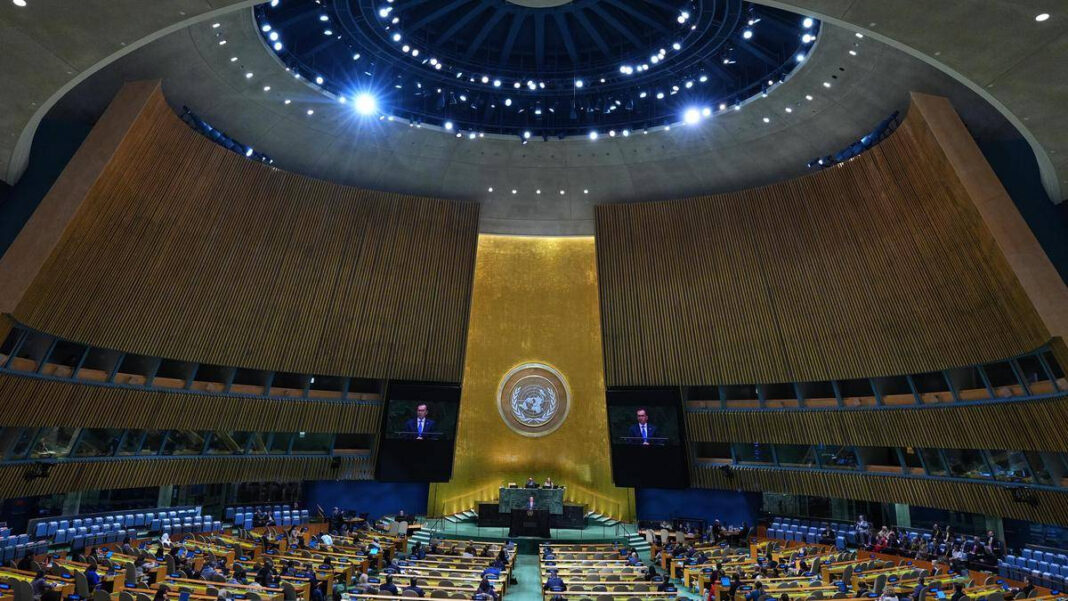
The United Nations (UN), founded in the aftermath of World War II with the aim of promoting peace, security, and cooperation among nations, has recently faced formidable challenges to its credibility and effectiveness. As the world grapples with complex global issues—ranging from climate change and armed conflict to humanitarian crises and human rights violations—the UN’s efficacy in addressing these matters is increasingly under scrutiny. This article delves into the multifaceted journey the UN must undertake to restore trust among its member states and the global citizenry.
The Erosion of Trust
For decades, the UN has stood as a beacon of hope for international diplomacy. However, the rise of nationalism, geopolitical tensions, and shifting power dynamics have contributed to an erosion of trust in the organization. Key issues undermining confidence in the UN include:
-
Ineffectiveness in Conflict Resolution: The UN has often been criticized for its inability to effectively manage conflicts, such as in Syria, Yemen, and Libya. These ongoing crises highlight the limitations of the UN Security Council, where geopolitical rivalries can stymie consensus.
-
Allegations of Corruption and Mismanagement: Scandals involving corruption, abuse, and mismanagement within UN peacekeeping missions have tarnished the organization’s reputation. Allegations of misconduct have raised concerns about accountability and transparency within the UN’s operational frameworks.
-
Perception of Inequality Among Member States: The reality that five permanent members of the Security Council wield disproportionate power while being able to veto resolutions further fuels perceptions of inequity. This has led to frustrations among countries advocating for reforms to create a more equitable governance structure.
- Public Disillusionment: A growing number of global citizens feel disconnected from the UN, perceiving it as an institution catering primarily to the interests of powerful states rather than addressing pressing global issues in a way that reflects collective interests.
A Path Forward
To begin the arduous task of restoring trust, the UN must undertake a series of reforms and initiatives aimed at rebuilding its credibility, enhancing operational efficiency, and fostering a sense of legitimacy in its actions.
-
Reforming the Security Council: Acknowledging the outdated nature of the Security Council’s structure is pivotal. By engaging in discussions about expanding membership and revising veto power, the UN can foster a sense of inclusion and fairness among member states.
-
Enhancing Accountability and Transparency: The UN must implement robust mechanisms to ensure accountability for the actions of its personnel, particularly in peacekeeping missions. Strengthening oversight procedures and providing transparent reporting can mitigate instances of misconduct and rebuild confidence.
-
Investing in Conflict Prevention: Proactive measures to prevent conflicts and address root causes are paramount. The UN should prioritize diplomatic engagements and early warning systems to identify and mitigate tensions before they escalate into violence.
-
Engaging Civil Society and the Private Sector: The UN should actively involve civil society organizations, grassroots movements, and the private sector in its initiatives. By fostering partnerships and encouraging collaboration, the UN can tap into diverse perspectives and resources, enhancing its legitimacy and outreach.
- Prioritizing Communication and Outreach: Improving communication strategies to educate the global population about the UN’s role and initiatives can bridge the gap between the organization and citizens. This entails a commitment to clarity, accessibility, and responsiveness.
Conclusion
Restoring trust in the United Nations is no small feat. It requires an acknowledgment of past shortcomings, a willingness to embrace change, and a commitment to solidifying the principles upon which the UN was founded. As the world faces unprecedented challenges that demand collective action, the UN’s role is more critical than ever. By embracing transparency, accountability, and reform, the UN can rekindle hope in its mission, reaffirming its status as a vital forum for international cooperation and a guardian of global peace and security.