 "
/>
"
/>

Artificial Intelligence to Take Center Stage During U.K.’s G20 Presidency
Burnham Questions Brexit: Advocating for a Rethink on EU Ties
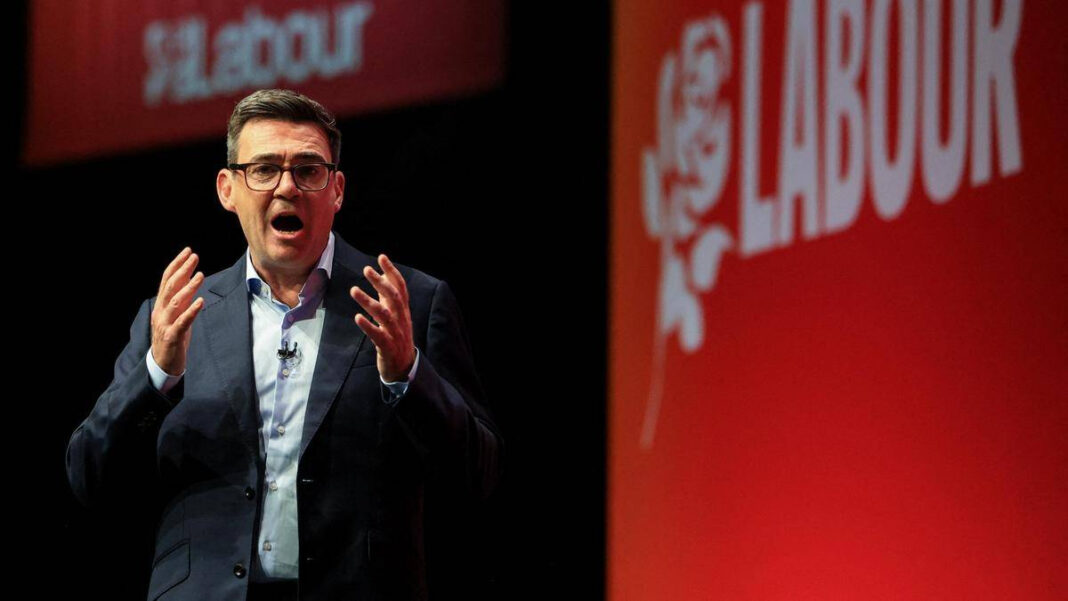
In the wake of the tumultuous political landscape shaped by Brexit, Greater Manchester Mayor Andy Burnham has emerged as a prominent voice advocating for a reevaluation of the UK’s relationship with the European Union. As the UK continues to navigate the repercussions of leaving the EU, Burnham argues that Britain must seriously contemplate its options for future ties with its continental neighbors.
Brexit’s Ongoing Impact
Since the UK officially left the EU in January 2020, the impact of the decision has permeated various sectors, from trade and economics to immigration and cultural exchange. The promise of sovereignty and independence has come with significant challenges, including new trade barriers, supply chain issues, and a decline in foreign investment. As the realities of post-Brexit Britain become clearer, many, including Burnham, are beginning to question whether the decision to leave was indeed in the best interest of the nation.
In recent speeches and public appearances, Burnham has been vocal about the need to reassess the relationship with the EU, pointing to the economic and social benefits that may have come from maintaining closer ties. He emphasizes that as the world shifts towards greater interdependence, it is essential for the UK to consider innovative approaches that could allow for cooperation with Europe without compromising national sovereignty.
A Call for Options
Burnham’s call for a rethink on EU ties is centered on the idea that the UK should remain open to various options that could enhance its relationship with Europe. As discussions around rejoining the single market or exploring a customs union gain traction among pro-European advocates, Burnham suggests that these alternatives merit serious consideration.
“This isn’t about reversing Brexit or ignoring the will of the people,” Burnham stated in a recent interview. “It’s about understanding that the world has changed and that we need to adapt to those changes. We have to explore how we can work together with our European neighbors to foster economic growth, social cohesion, and regional stability.”
Bridging Divides
One of the most significant challenges since Brexit has been the polarization of opinion on the subject. While some Britons remain staunchly supportive of Brexit, others are increasingly disillusioned, pointing to the very real implications it has had on their daily lives. Burnham recognizes this division and stresses the importance of dialogue and compromise.
By advocating for a pragmatic approach to relations with the EU, Burnham aims to appeal to both sides of the debate. He encourages an inclusive conversation that acknowledges the concerns of Brexit supporters while addressing the legitimate fears and frustrations of those advocating for a closer connection to Europe.
The Economic Argument
Burnham’s position is not just based on ideological grounds; it is rooted in economic pragmatism. The immediate fallout from Brexit has had tangible effects on local businesses, especially in regions like Greater Manchester, which have historically benefitted from EU investment and trade.
“Businesses are feeling the pinch. Our local economy relies on the ability to trade freely and attract talent,” Burnham explains. He highlights the potential benefits of improved relations with the EU, such as better access to markets, investment in infrastructure, and joint initiatives to tackle global challenges like climate change.
Looking Ahead
As the debate around Britain’s relationship with the EU continues, Burnham’s calls for a reconsideration are gaining momentum. With local elections approaching and public sentiment shifting, politicians from all parties are beginning to recognize that the conversation around Brexit is far from over.
In a world where the dynamics of international relationships are constantly evolving, the UK must remain flexible and open-minded. Burnham’s question—whether Brexit has achieved its promised benefits or if it has created unforeseen challenges—encapsulates a larger conversation about the future of Britain in an interconnected world.
In summary, Burnham’s invitation to rethink the terms of the UK-EU relationship underscores the ongoing complexities of Brexit. As he advocates for a pragmatic approach to governance, it remains to be seen whether the broader political landscape will heed this call for reflection and engagement with Europe, ultimately prioritizing collaboration over division. As the UK forges its path forward, the decisions made today will shape the nation for generations to come.