 "
/>
"
/>

‘Avaraachan and Sons’ Movie Review: Biju Menon Makes This Old-Fashioned Family Entertainer Watchable
In an era where new-age family entertainers are on the rise, Avaraachan and Sons attempts to carve its niche, but the film ultimately leans heavily on old-fashioned storytelling. Directed by Thamby, the movie showcases a soundtrack peppered with contemporary rap lyrics that, while modern, do not overshadow the film’s core essence of familial warmth and lightheartedness. However, the film’s somewhat dated approach may leave audiences yearning for more excitement.
Overview of the Film
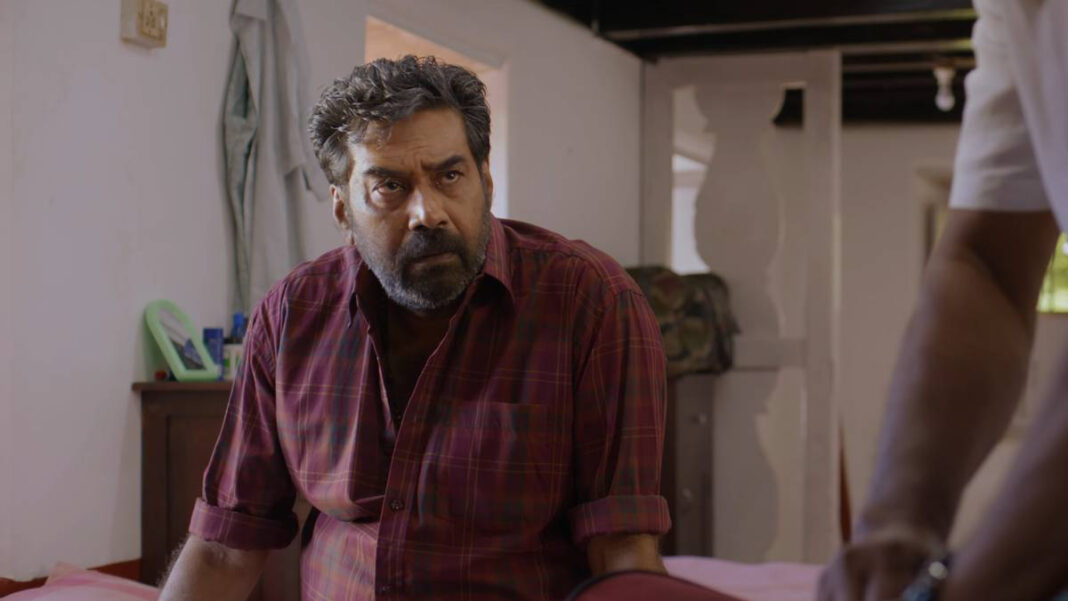
The narrative centers around Avaraachan, brilliantly portrayed by Biju Menon, who embodies a carefree spirit, choosing to navigate life without seriousness even as he anticipates the arrival of a grandchild. A widower with two adult sons, portrayed by Sreenath Bhasi and Ganapathy, Avaraachan struggles with alcoholism. His penchant for indulgence often lands him in trouble, prompting his family to relocate him from their coastal home to the high ranges where his sister lives.
While the catalyst for his relocation stems from a confrontation with local troublemakers, the film primarily delves into Avaraachan’s evolving relationship with his sons. Despite showcasing a few poignant moments, the film fails to fully explore the potential depth of these familial dynamics.
Key Developments in the Storyline
Avaraachan and Sons (Malayalam)
Director: Thamby
Cast: Biju Menon, Sreenath Bhasi, Ganapathy, Grace Antony, Akhila Bhargavan, Parvathy Babu, Vinay Forrt, Pauly Valsan
Runtime: 134 minutes
Storyline: Avaraachan, an alcoholic, is sent to his sister’s home in the high ranges after consistently getting into trouble at his hometown.
Despite the film’s lackluster writing, it features a few memorable scenes that reflect the ability of the cast to elevate the material. One notable exchange occurs between Avaraachan and his sister, played by Pauly Valsan, who reflects on their troubled upbringing and Avaraachan’s irresponsible habits, offering a contrast with their difficult father. This moment is further underscored by the joyous event of a new birth in the family. Another scene that stands out involves a resident of a de-addiction center bonding with a cat, showcasing a lighter perspective on struggles with addiction.
Context and Comparisons
Elements of Avaraachan’s battle with alcoholism draw parallels to the 2016 film Paavada, where personal demons manifest and the journey toward self-improvement is highlighted. Additionally, the film hints at an age-gap romance early on, signaling narrative shifts reminiscent of the movie Bethlehem Kudumba Unit. Despite these enriching moments, the film progresses slowly, with characters lacking significant development until the introduction of Vinay Forrt, whose role injects some vitality into the storyline.
The film attempts humor but doesn’t consistently land its comedic moments; only sporadic one-liners manage to elicit laughter from the audience. Nonetheless, Biju Menon shines as the hapless father, turning the narrative’s shortcomings into opportunities for genuine entertainment—his presence alone elevates scenes that otherwise suffer from weak writing.
Conclusion
Ultimately, Avaraachan and Sons is a testament to the classic family entertainer, replete with themes of love, responsibility, and redemption. While it may not reach the heights of contemporary storytelling, the film finds its charm through performances and relatable family dynamics, primarily thanks to the charisma of Biju Menon. Currently, Avaraachan and Sons is running in theaters, offering viewers a nostalgic trip through family values, albeit with a few bumps along the road.