 "
/>
"
/>

Head of the Snake
Title: Rising Violence in Haiti: UN Reports Over 5,700 Casualties Amidst Gang Crisis
Introduction
Haiti, a nation grappling with political instability, economic hardship, and social unrest, is facing an escalating gang crisis that has resulted in a staggering death toll and countless injuries. According to the United Nations, at least 5,700 people have been killed or wounded due to gang-related violence in 2023 alone. This dire situation highlights the urgent need for an international response to assist Haiti in restoring peace and stability.
Understanding the Crisis
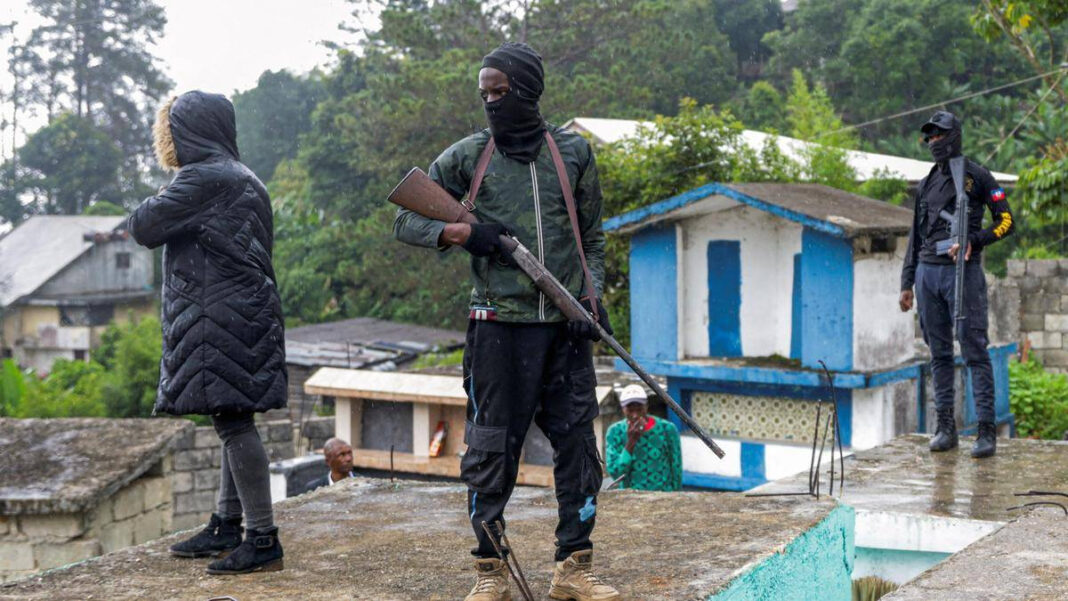
The gang crisis in Haiti has deep roots, stemming from years of political turmoil, weak governance, and socioeconomic struggles. Following the assassination of President Jovenel Moïse in July 2021, the power vacuum left in his wake has allowed criminal gangs to flourish. Many neighborhoods in the capital, Port-au-Prince, have devolved into battlegrounds where gangs compete for control, leading to rampant violence, extortion, and displacement.
UN officials have reported that the rising conflict has displaced over 200,000 people, many of whom are seeking refuge in overcrowded shelters lacking basic necessities. Schools and healthcare facilities have also become collateral damage, stalling education and access to medical services for vulnerable communities.
Casualty Figures: A Grim Statistic
The UN’s report on the humanitarian crisis in Haiti is particularly harrowing. The figure of 5,700 casualties—comprised of both those killed and injured—serves as a chilling indicator of the scale and urgency of the situation. This number reflects the violence’s indiscriminate nature, affecting children, families, and communities at large. Reports indicate that the majority of the violence has been centered in and around Port-au-Prince, where armed gangs wield significant power.
Furthermore, sexual violence has surged amid the chaos, with women and girls being particularly vulnerable. Addressing this aspect of the crisis is critical, as it adds an additional layer of trauma to an already devastated population.
International Response and Challenges
The international community, including the UN, has been increasingly vocal about the need to intervene in Haiti. However, the response has not been as robust as the situation demands. A lack of political will, coupled with the complexities of foreign intervention, has hindered effective action.
The UN Security Council has authorized a multinational security support mission, led by Kenya, in an effort to restore order. However, logistical challenges, funding issues, and the need for a cohesive strategy on the ground remain significant barriers to timely implementation of this mission.
Moreover, any intervention must prioritize the empowerment of local law enforcement and community organizations. A sustainable solution to Haiti’s gang problem will not only require immediate security measures but also longer-term socio-economic development strategies to address the root causes of violence.
The Path Forward
For Haiti to emerge from this cycle of violence, a multifaceted approach is essential. This includes:
-
Strengthening Governance: Establishing a more stable political environment through inclusive governance and the restoration of public trust.
-
Empowering Local Institutions: Building the capacity of local law enforcement and community organizations to foster resilience and self-governance.
-
Fostering Economic Development: Implementing programs that provide job opportunities, education, and social services to combat the economic disparities that fuel gang recruitment.
-
International Cooperation: Building a coalitional approach among international partners to ensure a comprehensive strategy that respects Haiti’s sovereignty while providing necessary support.
- Focusing on Human Rights: Ensuring protection for the most vulnerable segments of society, particularly women and children, within any intervention strategy.
Conclusion
The alarming statistics surrounding the gang violence in Haiti underscore an urgent humanitarian crisis demanding immediate and sustained international attention. While the UN has reported at least 5,700 casualties this year, the real toll extends beyond numbers, reflecting the shattered lives and fractured communities within Haiti. To forge a path toward recovery and peace, a concerted effort from both the Haitian government and the international community is essential. Without decisive action, the cycle of violence may continue, further deepening the challenges faced by one of the poorest nations in the Western Hemisphere.