
No major impact of El Niño on agricultural production: Chouhan
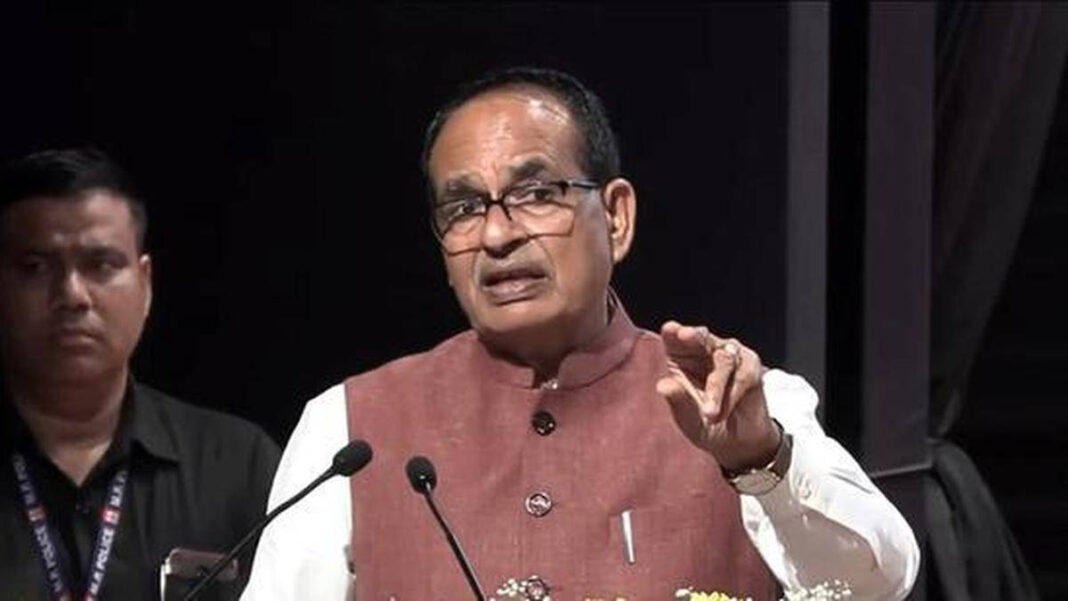
Union Agriculture Minister Shivraj Singh Chouhan on Tuesday said India’s current rainfall deficit of around 12% is unlikely to significantly affect national crop output, and ruled out any “major crisis” arising from the prevailing El Niño conditions. Speaking to reporters after a two-day national conference on preparedness for the upcoming Rabi season, he stressed that while some States are facing a drought-like situation, overall production prospects remain stable.
Monsoon deficit and outlook
Chouhan noted that a rainfall shortfall is considered a drought only when the deficit exceeds 20% over the relevant period. “The rainfall deficit currently stands at around 12%… I do not believe that production will be significantly impacted by this level of deficit,” he said. He added that, despite a decline in Kharif acreage for certain crops, the overall sown area is broadly comparable to last year’s, and that the Kharif harvest is expected to be better than the previous season.
Foodgrain targets adjusted for El Niño
With El Niño conditions in view, the Centre has revised its foodgrain production goal for 2026–27 to 373.93 million tonnes. The target is 2.63 million tonnes lower than the actual output of 376.56 million tonnes recorded in 2025–26. The Minister said the new target reflects a scientific assessment of the evolving climate backdrop, including a Rabi-season goal of 177.72 million tonnes.
He pointed out that last year’s performance exceeded expectations. While the 2025–26 target had been set at 362 million tonnes, actual output reached 376.56 million tonnes, providing a buffer and reinforcing confidence in production resilience.
Trade access and farmer outreach on FTAs
Chouhan said the Union government will work with States to ensure farmers understand the export opportunities available under India’s free trade agreements. He highlighted that several international markets are open to Indian agricultural products at zero import duty, but that producers must be aware of demand trends and quality benchmarks.
“To bridge this gap, the Centre will launch an awareness campaign covering global market opportunities, products covered under the FTAs, export-quality requirements, and the crops, fruits and vegetables that can be cultivated for overseas markets,” he said. The initiative aims to align on-farm choices with export prospects, thereby enhancing farmer incomes and diversifying India’s agri-export basket.
Balancing edible oil prices and farm interests
Addressing the recent Union government decision to reduce import duties on various edible oils, the Minister underlined the need to balance producer and consumer interests. “We need to ensure that people in the country get edible oil at a reasonable price,” he said, indicating that policymakers will continue to calibrate measures to keep essential food items affordable while protecting farm livelihoods.
Crop planning: moving away from water-guzzlers
As part of the Rabi preparedness strategy, the Centre is urging States to avoid sowing water-intensive crops in areas that have seen low rainfall and where reservoir levels and soil moisture remain depressed. “Instead, we intend to cultivate crops like pulses and oilseeds in those regions. These targets have been determined with these considerations in mind,” Chouhan said.
He added that there is no shortage of fertilizers in the country and that adequate supplies will be available through the Rabi season, helping sustain yields even as crop plans are adjusted to local water conditions.
Drought-like conditions in parts of India
The Minister acknowledged drought-like conditions in Karnataka, Maharashtra, Andhra Pradesh, Telangana and Rajasthan, and said that detailed reports from the affected States are awaited. A Central team will visit Karnataka on October 3 to assess the situation on the ground, he said, indicating that further steps would be informed by the States’ submissions and field evaluations.
Conference on Rabi preparedness
Chouhan’s remarks followed a two-day national agricultural conference focused on the Rabi season, where central and state officials reviewed sowing strategies, input availability, and contingency plans under El Niño conditions. The discussions centered on protecting yields, optimizing water use, and aligning production with both domestic needs and potential export opportunities.
Outlook
Despite a 12% monsoon deficit and localized stress in parts of the country, the Agriculture Minister projected a steady national outlook for 2026–27. With calibrated production targets, a push toward less water-intensive crops, assured fertilizer availability, and an upcoming awareness campaign on export prospects, the Centre expects to cushion agriculture against climate-related variability while maintaining consumer affordability in key staples.