 "
/>
"
/>

Nolo Strengthens to Category 3 Hurricane in Remote Pacific Ocean: What You Need to Know
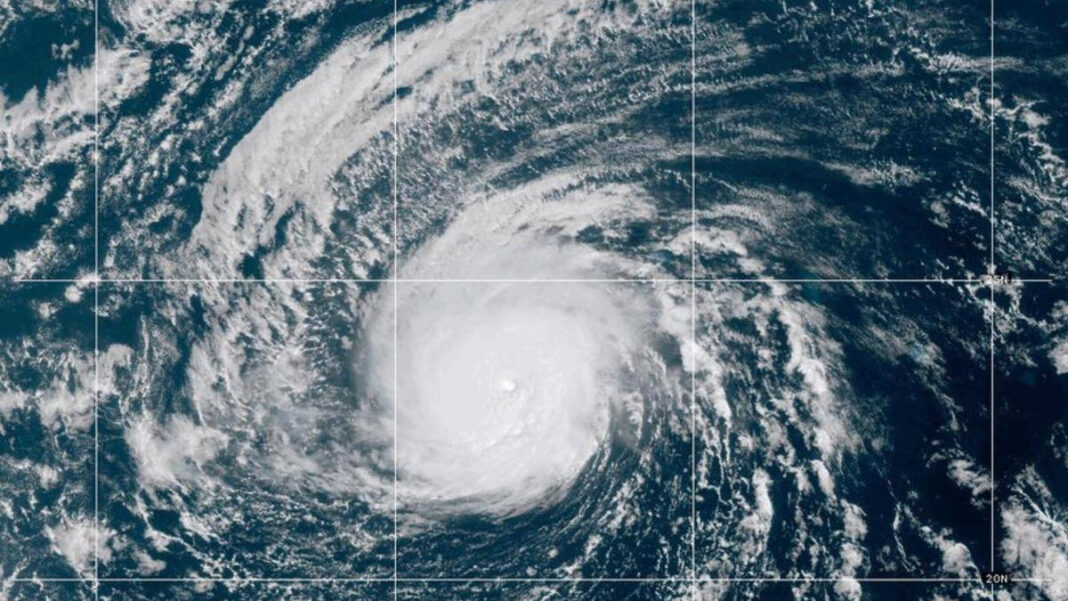
In the ever-dynamic realm of meteorology, Hurricane Nolo has captured the attention of forecasters and oceanographers alike as it recently intensified into a Category 3 hurricane. This powerful storm formed in the remote Pacific Ocean, far from land, but its development serves as a critical reminder of the changing climate patterns that can influence storm behavior and intensity.
Early Development
Hurricane Nolo originated from a cluster of thunderstorms over warm ocean waters, gaining strength as it traveled across favorable atmospheric conditions. As a result of the high sea surface temperatures in the Pacific, Nolo was able to harness energy and moisture, leading to its rapid intensification. The storm’s formation was closely monitored by the National Hurricane Center (NHC), which reported that Nolo reached hurricane status within a few days of its inception.
Current Status
As of the latest updates, Hurricane Nolo maintains sustained winds of approximately 115 miles per hour, classifying it as a Category 3 hurricane on the Saffir-Simpson Hurricane Wind Scale. This level of intensity means that Nolo possesses the potential for significant damage if it were to make landfall in populated areas, with wind gusts capable of causing destruction to structures, uprooting trees, and knocking out power.
Geographic Isolation
One noteworthy aspect of Nolo’s trajectory is its location in the vast expanse of the Pacific Ocean, far from any major landmasses. While it poses no immediate threat to populated areas, meteorologists emphasize the importance of monitoring such storms, as changes in their paths can lead to unexpected developments. The storm’s remote positioning means that it may not receive as much news coverage as systems that threaten coastal regions, but the potential for a shift in direction or intensification remains a concern for scientists.
Climate Implications
The intensification of storms like Nolo raises questions about the broader implications of climate change. Warmer ocean waters contribute to the formation of more intense hurricanes, with studies suggesting an increase in both the frequency and severity of storms in certain regions due to global warming. This trend necessitates ongoing research and natural disaster preparedness in vulnerable communities as they navigate the risks associated with changing climate patterns.
Preparedness and Awareness
While Nolo currently poses no threat to land, the situation underscores the critical importance of preparedness and vigilance when it comes to hurricanes and severe weather events in general. Residents in coastal regions and areas regularly affected by hurricanes are encouraged to have emergency plans in place, including evacuation routes, emergency kits, and communication strategies for families.
Conclusion
As Hurricane Nolo continues to brew in the remote Pacific Ocean, it serves as a reminder of the power and unpredictability of nature. While the storm remains distant from land, its development should prompt all of us to reflect on the influence of climate change on storm behavior and the ongoing need for preparedness. The world is closely watching Nolo, and while we may breathe a sigh of relief for now, the lessons learned from its formation will be invaluable in the face of future storms.