 "
/>
"
/>

Iran’s Stance on the Strait of Hormuz: Conditions for Reopening
In a recent development, Iranian officials have declared that the Strait of Hormuz, a vital waterway for global oil transit, will not be reopened until certain conditions are met. This statement has raised eyebrows internationally, as the strait is crucial for the flow of oil from the Gulf region to the global market, accounting for nearly 20% of the world’s petroleum trade.
Background on the Strait of Hormuz
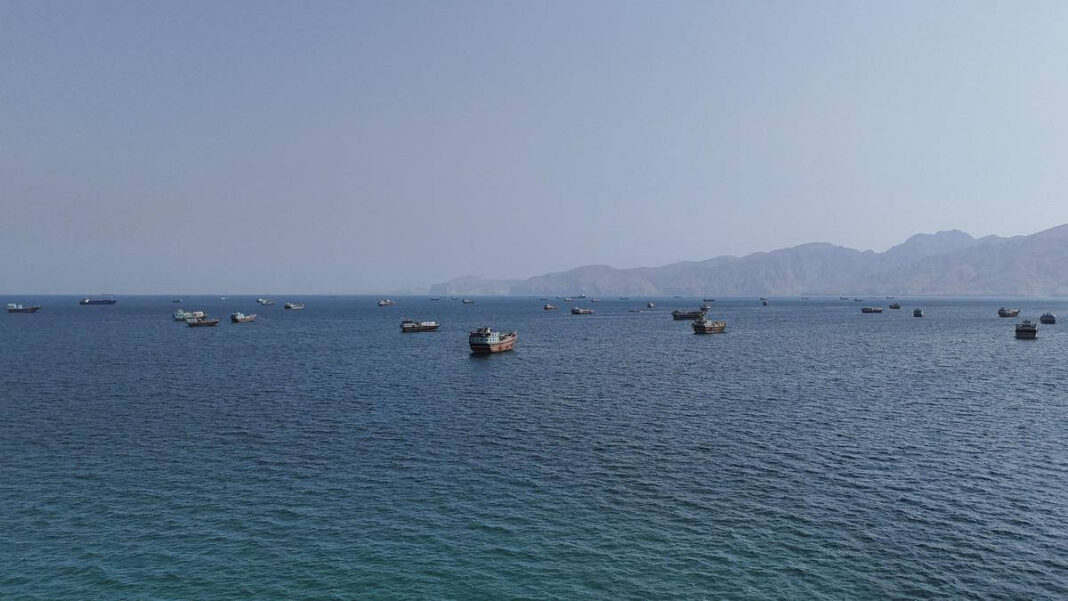
Strategically located between Iran and Oman, the Strait of Hormuz is a narrow passage that connects the Persian Gulf to the Arabian Sea. It serves as a central artery for the transportation of oil and liquefied natural gas, with over 17 million barrels transported through this chokepoint daily. Given its importance, any disruption in the strait can have significant implications for global energy prices and supply chains.
Iran’s Position
The Iranian government’s recent pronouncement comes amidst heightened tensions in the region, stemming from various geopolitical factors, including ongoing disputes with the United States, regional rivalries, and concerns over maritime security. While specific conditions have not been fully outlined, Iranian officials have suggested that they are seeking guarantees related to national security and the protection of Iranian interests in the region.
Iran’s statements regarding the Strait of Hormuz underscore the country’s strategy of leveraging its control over this strategic waterway as a tool for negotiation in broader geopolitical discussions. Officials claim that any decision to reopen the strait will depend on a favorable environment that ensures Iran’s security and sovereignty.
Implications for Global Oil Markets
The blockade or restricted access to the Strait of Hormuz could lead to significant ramifications for global oil markets. Shipping companies, oil exporters, and importing nations are all on high alert, given that even a temporary closure could result in soaring oil prices and disrupt supply chains worldwide.
Analysts predict that market volatility could escalate if Iran maintains its firm stance for an extended period. Oil prices have historically reacted sensitively to perceived threats to the Strait of Hormuz’s navigability, and any further escalation could send shockwaves through the global economy.
Regional and International Reactions
The Iranian government’s firm stance has drawn responses from various countries, especially those heavily reliant on energy imports from the Gulf region. The United States, which has a military presence in the area, has been vocal about maintaining a free and open Strait of Hormuz and has issued warnings regarding the implications of potential Iranian actions.
Regional allies of the United States, including nations like Saudi Arabia and the UAE, are closely monitoring the situation, as their economies are closely intertwined with the flow of oil through the strait. Diplomatic channels may be tested as countries seek to broker dialogues aimed at de-escalating tensions.
Conclusion
Iran’s declaration regarding the Strait of Hormuz reflects its determination to assert its interests amidst an increasingly complex geopolitical landscape. The conditions for reopening this vital waterway could lead to a lengthy negotiation process, with implications that extend well beyond the region, affecting global oil markets, economic stability, and international relations.
As the situation develops, global observers will be keenly focused on the interplay between diplomatic efforts and military dynamics in the region, hoping for a resolution that restores stability and ensures the uninterrupted flow of commerce through one of the world’s most critical maritime passages.