 "
/>
"
/>

India Goes ‘Beyond Advocacy’ on the Russia-Ukraine Conflict: Insights from Jaishankar
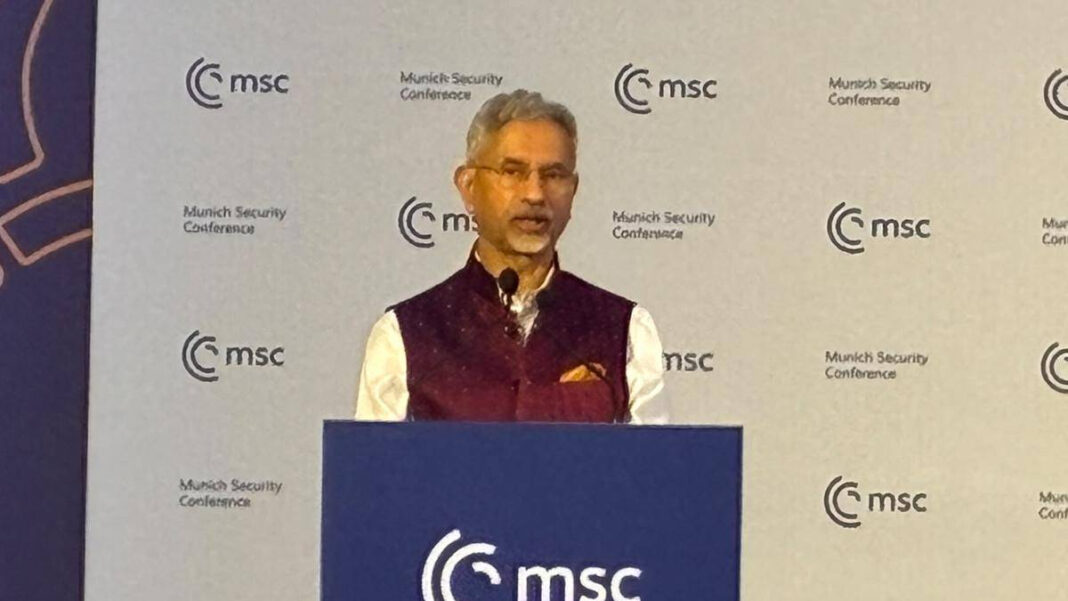
In an increasingly polarized world, foreign policy often plays a crucial role in navigating complex international crises. India, led by its dynamic External Affairs Minister S. Jaishankar, has adopted a unique stance on the ongoing Russia-Ukraine conflict, asserting that the nation is moving “beyond advocacy.” This statement underlines a significant evolution in India’s diplomatic approach, indicating a shift from mere expression of opinions to proactive engagement in international dialogues aimed at conflict resolution.
A Balanced Approach
India’s position on the Russia-Ukraine conflict has often been characterized by its traditional policy of non-alignment. From the onset of the conflict in February 2022, India has maintained a neutral stance, advocating for dialogue and diplomacy while eschewing outright condemnation of any party involved. Jaishankar’s recent remarks suggest that India is looking to enhance its role as a mediator rather than simply an observer.
According to Jaishankar, India’s diplomatic engagement is reflective of its growing global significance and responsibilities. He emphasized that India’s relationships with both Russia and Ukraine, born from historical ties and mutual respect, equip the country with a unique perspective. The need for peace, security, and stability in the wider Eurasian region necessitates an active role from India, beyond just advocacy.
Moving to Mediation
The phrase “beyond advocacy” implies a proactive stance where India could potentially serve as a mediator in the conflict. It suggests an understanding that verbal calls for peace, while important, must be translated into tangible actions that can help bridge divides and foster dialogue between conflicting parties. India’s engagements in multilateral forums and bilateral dialogues have aimed at illustrating its readiness to facilitate discussions, provide humanitarian assistance, and contribute to conflict resolution efforts.
Humanitarian Considerations
India’s commitment to aiding humanitarian efforts in Ukraine has also resonated in Jaishankar’s comments. The Indian government has sent humanitarian aid, including essential supplies and medical assistance, aimed at alleviating the suffering of those affected by the ongoing conflict. This approach reflects an understanding of the broader implications of the war, recognizing the human cost and the importance of supporting civilians affected by geopolitical tensions.
Global Leadership Aspirations
Jaishankar’s assertion also aligns with India’s aspirations to enhance its role on the global stage, particularly as it approaches its G20 presidency in 2023. The country aims to position itself as a key player in fostering dialogue on issues ranging from security to sustainable development. By taking a proactive role in the Russia-Ukraine conflict, India can demonstrate its commitment to global stability and peace, thus reinforcing its aspiration for greater influence in international affairs.
Conclusion
As the Russia-Ukraine conflict continues to evolve, India’s approach—now articulated as “beyond advocacy”—reflects a nuanced understanding of diplomacy and international relations. Jaishankar’s statements signal a readiness to engage constructively, aiming to foster dialogue and facilitate peaceful resolutions in an increasingly complex geopolitical landscape. By stepping beyond traditional advocacy, India can affirm its role as a proactive leader working toward a balanced and peaceful world order. This shift not only highlights India’s diplomatic maturity but also its capability to navigate challenges and contribute positively to global peace efforts.