 "
/>
"
/>

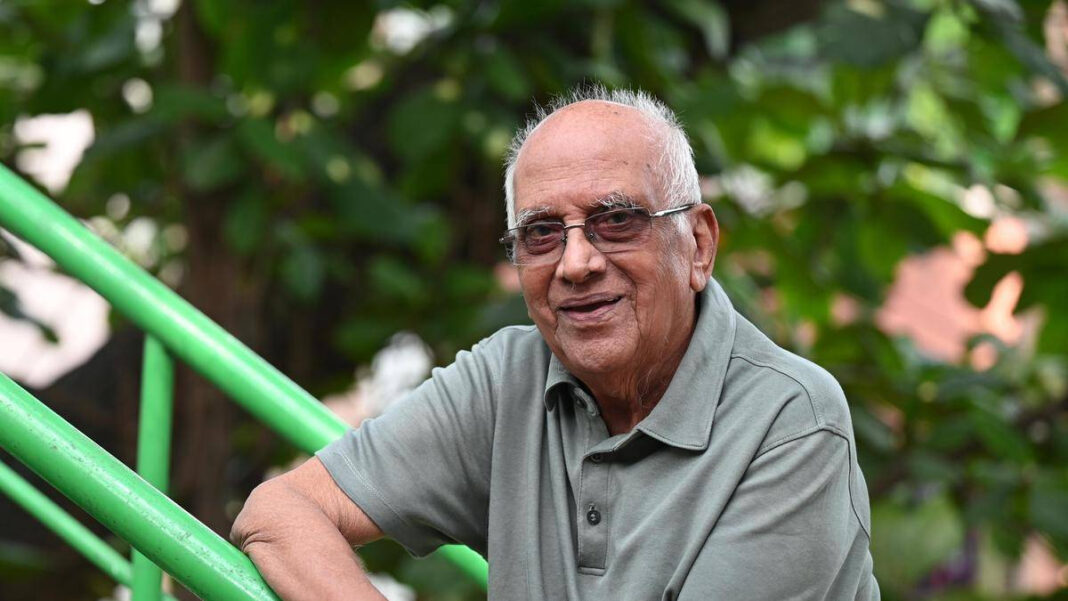
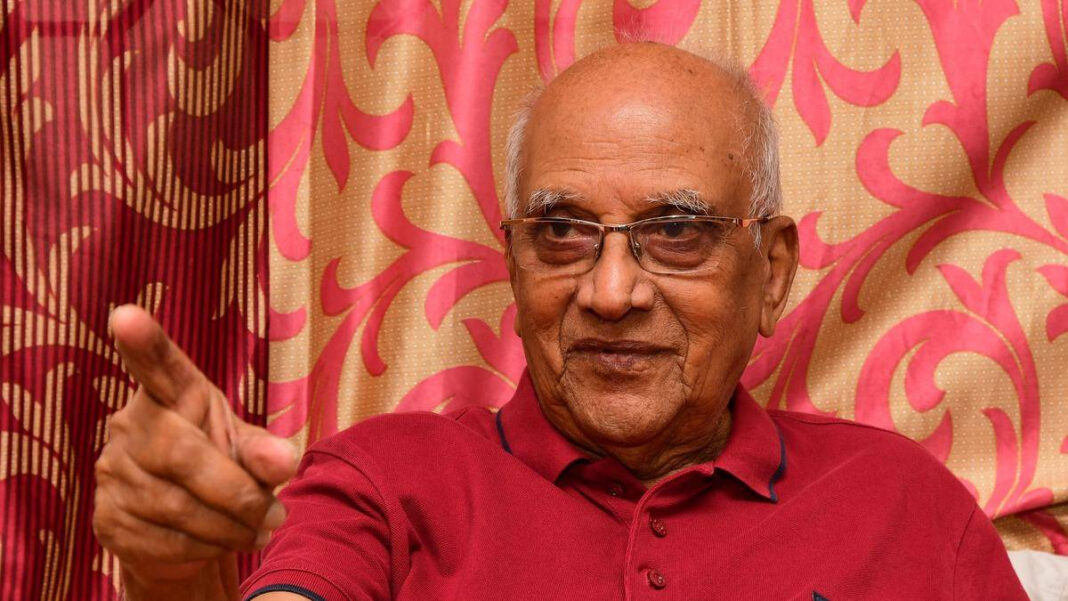
Remembering Singeetham Srinivasa Rao
A sharp mind, a quirky sense of humor, and an intrinsic desire to experiment with cinematic storytelling defined the essence of Singeetham Srinivasa Rao. As he bids farewell at the age of 94, he leaves behind a remarkable legacy in Indian cinema, marked by innovative films that challenged norms and created memorable experiences for audiences.
Trailblazing Creativity
Singeetham Srinivasa Rao’s journey through cinema was significantly shaped by his partnership with the versatile actor Kamal Haasan. Together, they broke conventional molds, notably with the groundbreaking Tamil film Raaja Paarvai released in 1981, where they portrayed a visually challenged hero—a concept not previously explored in Tamil films. This film not only entertained viewers but also introduced them to a beautiful melody, the evergreen song Andhi mazhai, which continues to resonate with fans today.
Pushing the creative envelope further, Singeetham co-directed Pesum Padam, also known as Pushpak, in 1987. This silent film, showcased under different titles across various languages to engage a wider audience, demonstrated the power of visuals and music to convey profound narratives without a single spoken word. One notably bizarre scene featured ice used as a murder weapon, sure to leave audiences both stunned and amused.
Innovative Approaches to Age-Old Tropes
An accomplished storyteller, Singeetham was adept at reinventing traditional tropes. In 1989, he introduced a compelling twist in the narrative of siblings separated at birth in the film Aboorva Sagodharargal, which enthusiastically showcased one brother as a dwarf, driven by vengeance. This film not only became a blockbuster but also featured a satirical touch, particularly in the song Vaazha veikum kadhalukku jai, where Kamal and actress Gautami merrily danced on a truck, oblivious to a dead body nearby.
His exploration of varied narratives didn’t stop there. Singeetham continued to make significant contributions to cinema across languages. In 1990, he collaborated again with Kamal Haasan in Michael Madana Kama Rajan, a comedic tale of quadruplets raised in different environments, speaking distinct Tamil dialects. The dialogue “You know what I mean?” continues to elicit laughter in Tamil cinema culture, further cementing this film’s status as a classic.
Engaging Themes of Empowerment
The year 1994 saw Singeetham direct Magalir Mattum, a film led by a stellar cast including Urvashi, Revathi, Rohini, and Nasser. Produced by Kamal, this story revolves around the formation of sisterhood among three women as they stand against their lecherous boss, a narrative that remains relevant given contemporary discussions around women’s empowerment. Veteran actor Nagesh’s humorous portrayal of a corpse added a unique comedic element to the film.
In 1995, Singeetham showcased Chinna Vathiyar, featuring Prabhu and Khushbu in lead roles. His collaboration with Kamal Haasan continued with Kaathala Kaathala in 1998, a comedy that further displayed their unique rapport. They reunited in 2005 for Mumbai Express, a black comedy centered around a kidnapping, marked by hilarious misadventures of its characters, receiving a mixed reception from audiences but nonetheless showcasing Singeetham’s enduring creativity.
Legacy and Recognition
The impact Singeetham Srinivasa Rao had on cinema was underscored by Kamal Haasan, who hosted a retrospective on their collaborative works, sharing insights from various other collaborators. These retrospectives, available on platforms like YouTube, serve as a significant resource for cinephiles and enthusiasts keen to delve into the innovative mind of Singeetham.
Despite advancing age, Singeetham’s energy and passion for film remained unquenchable, as he continued to work on projects such as Sing Geetham well into his nineties. The indelible mark he left on Indian cinema through experimentation, humor, and powerful storytelling will be cherished and celebrated for generations to come.
As we remember Singeetham Srinivasa Rao, we reflect on his legacy of creativity, wit, and an unwavering spirit that broke barriers and redefined Indian cinema.