
 "
/>
"
/>

Tuvalu: Barely Above Water in a Changing Climate
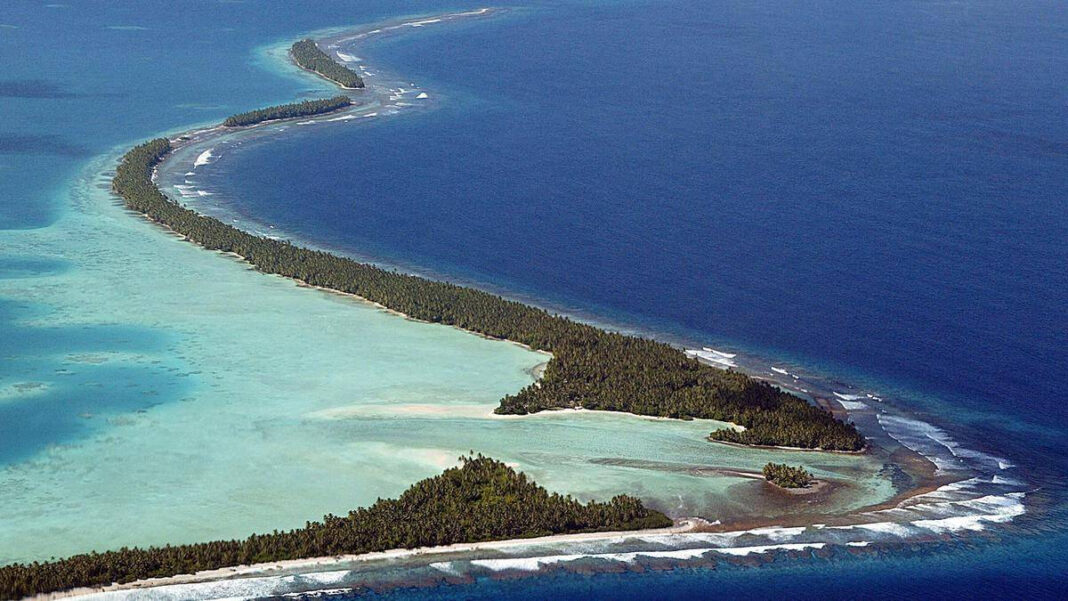
Nestled in the vast expanse of the Pacific Ocean, Tuvalu is a remote archipelago made up of nine small islands, known for their stunning beauty and unique culture. Comprising a total land area of just 26 square kilometers, Tuvalu is one of the smallest and least populated countries in the world, home to approximately 11,000 residents. However, despite its idyllic appearance, Tuvalu faces a grim reality: it is one of the countries most threatened by climate change and rising sea levels.
The Geography and People of Tuvalu
Tuvalu consists of four coral atolls and five islands, with the highest point reaching only about three meters above sea level. This low elevation makes the nation exceptionally vulnerable to the impacts of climate change. The ecosystem is rich and diverse, characterized by bright coral reefs, lush greenery, and a range of marine life. The local population, predominantly of Polynesian descent, has a deep connection to the land and sea, relying on fishing, copra production, and remittances from abroad to sustain their livelihoods.
Climate Change Threats
Tuvalu’s predicament is emblematic of the challenges facing many low-lying island nations. Over the past century, global average sea levels have risen by about 20 centimeters, and projections indicate that they could rise another one to two meters by the end of the century if current trends continue. For Tuvalu, such changes present immense risks including:
-
Coastal Erosion: Many of Tuvalu’s islands are witnessing significant shoreline erosion, threatening homes, infrastructure, and freshwater supplies.
-
Saltwater Intrusion: Rising tides contaminate freshwater aquifers, leaving communities without a reliable source of drinking water.
-
Extreme Weather Events: Tuvalu increasingly experiences more intense storms and severe weather, causing damage to homes and agriculture.
- Displacement and Migration: As land becomes uninhabitable, the possibility of climate-induced migration looms large for Tuvaluans. Some have already begun to seek refuge in other countries, and discussions about “climate refugees” have intensified.
A Fight for Survival and Global Awareness
In the face of such existential threats, the nation of Tuvalu has emerged as a vocal advocate for climate action on the global stage. Tuvalu’s leaders have traveled to international forums, including the United Nations Climate Change Conferences (COP), to call for greater international commitment to reducing carbon emissions and providing support for adaptation strategies. The nation’s experiences have helped shed light on the plight of vulnerable countries, pushing for urgent attention to the impacts of climate change.
In addition to advocacy, Tuvalu is exploring innovative solutions to combat rising sea levels. These include investing in sustainable infrastructure, restoring coastal ecosystems, and improving water management systems. However, these initiatives require substantial financial and technical assistance from wealthier nations, which have historically contributed more to global carbon emissions.
Cultural Resilience
Amid the existential threat posed by climate change, the people of Tuvalu have shown remarkable fortitude and resilience. They maintain their cultural practices, from traditional dancing to the craft of producing handicrafts and woven goods, serving as a source of identity and pride in the face of adversity. Community solidarity plays a crucial role in coping with the changes, as Tuvaluans support one another through challenges.
Conclusion
As Tuvalu teeters on the brink of becoming uninhabitable, it serves as both a poignant reminder of the consequences of climate change and a rallying cry for global action. The international community must heed the lessons from Tuvalu’s struggles and prioritize efforts to address climate change. For many, Tuvalu is a distant paradise, but for its residents, it is home – a home that stands on the front lines of one of the world’s most pressing crises. Preserving Tuvalu’s future, therefore, is not just about saving an island; it is about safeguarding the rich tapestry of humanity that exists in every corner of the globe.