
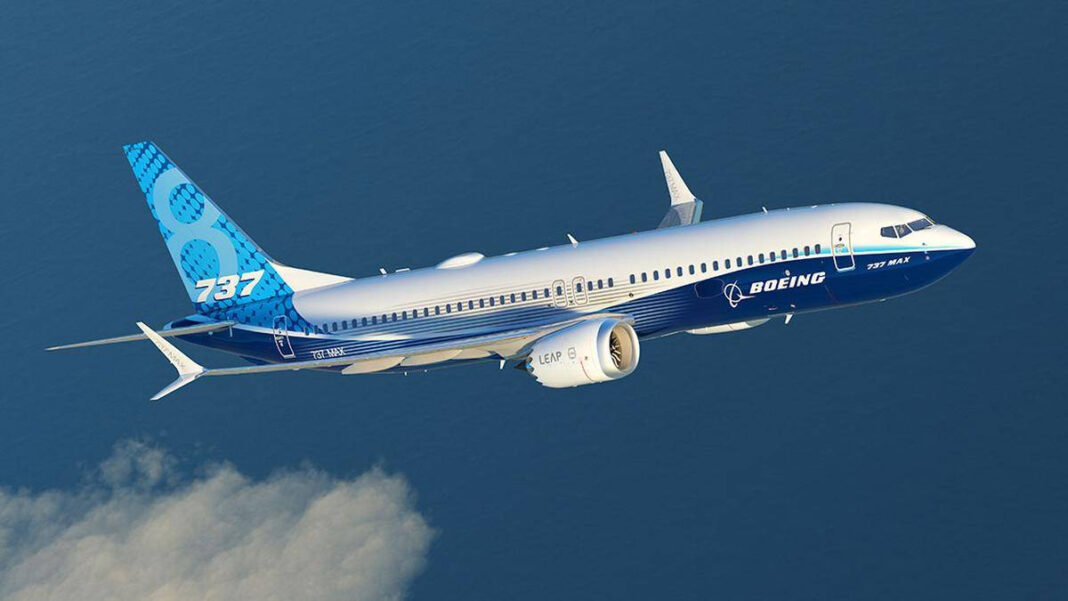

Boeing Uncovers Software Glitch in Automated Flight Guidance System of MAX Planes
In a recent development that has raised concerns among aviation authorities and stakeholders, Boeing announced the discovery of a software glitch in the automated flight guidance system of its MAX series of aircraft. The revelation comes at a critical time for the company, which has been working tirelessly to rebuild its reputation and restore confidence in the MAX fleet following the tragic crashes in 2018 and 2019.
Background
The Boeing 737 MAX, once seen as a promising addition to the aviation market, faced a significant crisis after two deadly accidents led to the grounding of the entire fleet for nearly two years. Investigations revealed that flaws in the Maneuvering Characteristics Augmentation System (MCAS) contributed to the crashes, leading to heightened scrutiny from regulators, airlines, and the public. After extensive software revisions and pilot training enhancements, the MAX was re-certified for flight in late 2020 by the Federal Aviation Administration (FAA) and aviation authorities around the world.
Discovery of the Software Glitch
The recent discovery was made during routine quality checks and validation processes aimed at ensuring the reliability of the flight systems. Reports indicate that the glitch affects the automated flight guidance system, which is responsible for assisting pilots in navigating and maintaining stable flight profiles. Boeing has stated that the irregularity could potentially lead to performance inconsistencies under specific operational conditions.
Boeing emphasized that the glitch does not pose an immediate safety risk to flights already in operation. Furthermore, the company is closely working with the FAA and other regulatory bodies to address the issue promptly. Some airlines operating the MAX have been notified, and they are prepared to follow guidance from Boeing regarding any necessary updates or adjustments.
Implications for the Aviation Industry
The revelation of a software glitch in the MAX aircraft reignites concerns regarding Boeing’s software development practices and quality assurance protocols. Industry analysts have pointed out that this incident puts added pressure on the company to demonstrate that it has learned from past mistakes and implemented adequate safeguards to prevent future issues.
This situation may also affect airlines that operate the MAX fleet, as they must reassure passengers and stakeholders that their aircraft remain safe and reliable. Trust is pivotal in the aviation sector, and any question mark over the safety of the aircraft can influence customer choices and airline operations.
Boeing’s Commitment to Safety
In response to the software glitch, Boeing reiterated its commitment to prioritizing safety and transparency in all its operations. The company has engaged in ongoing dialogues with regulators, airlines, and pilot organizations to address concerns and maintain confidence in the MAX fleet. Boeing has stated that it will implement rigorous testing procedures and provide updates to software and pilot training as necessary.
Looking Ahead
As Boeing navigates this latest challenge, it must work diligently to reinforce its commitment to safety and reliability. The company’s future depends not only on resolving the current software glitch but also on its ability to restore faith among customers and stakeholders in the long-term safety of its aircraft. Transparency, thorough testing, and robust collaboration with aviation authorities will play crucial roles in this endeavor.
In the coming weeks, Boeing will be expected to provide further details regarding the software glitch, the corrective actions to be taken, and any necessary updates to operational procedures for airlines. The aviation community remains watchful, hoping that lessons from the past will lead to a safer and more secure future for all who take to the skies.