 "
/>
"
/>

Zelenskyy expresses concerns about U.S. support for Ukraine
Zelenskyy states that the U.S. stance is not historically justified
Ukraine Resumes Attacks on Russian Oil Refineries Amid Strained U.S. Relations
In a significant escalation of its military operations, Ukraine has resumed targeted attacks on Russian oil refineries, marking a pivotal moment in the ongoing conflict between the two nations. This renewed campaign comes at a time when the geopolitical landscape is particularly unstable, as U.S.-Russia relations continue to deteriorate. The implications of this situation are vast, affecting energy markets, international alliances, and the overall dynamics of the war in Ukraine.
Escalating Military Operations
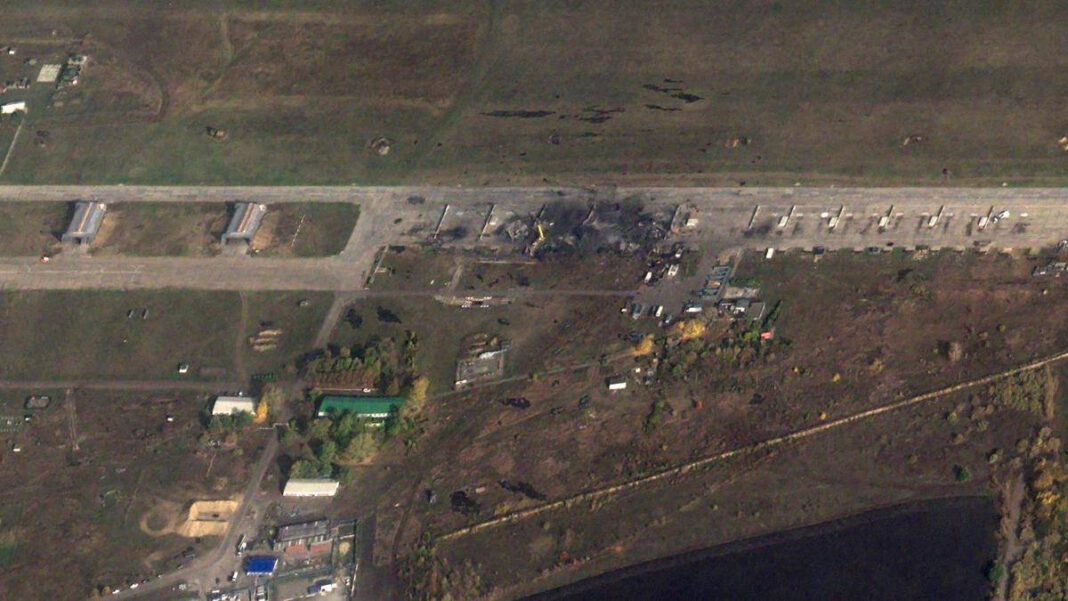
The recent attacks on Russian oil infrastructure signal a strategic shift in Ukraine’s military tactics. According to Ukrainian defense officials, these operations are intended not only to disrupt Russia’s fuel supply chain but also to diminish its ability to sustain prolonged military engagements. Ukrainian forces have utilized a combination of drone strikes and precision artillery fire to target key refineries, highlighting advances in their operational capabilities, which have been bolstered by Western support.
The Ukrainian government has framed these actions as necessary measures to defend their sovereignty and counteract ongoing Russian aggression. As the conflict drags on, Ukraine’s leadership has emphasized their commitment to taking decisive actions to protect their territorial integrity and sovereignty, further asserting their stance against the Kremlin.
The Energy Component
The energy sector plays a critical role in the conflict, as oil revenues are instrumental to Russia’s war efforts. By targeting oil refineries, Ukraine aims to create significant disruptions in supply, which may lead to increased economic strain on the Russian government. Energy resources have often been a tool of warfare, with both sides recognizing the strategic importance of controlling supply routes and production capabilities.
In parallel, these attacks have raised concerns in the global energy market, particularly in Europe, which is navigating a delicate balance of energy dependence and the desire to support Ukraine in its fight against Russian expansionism. As European nations grapple with their own energy needs, the ramifications of reduced Russian oil production could have far-reaching effects, including potential spikes in fuel prices and a reevaluation of energy sourcing strategies.
U.S. Relations in the Balance
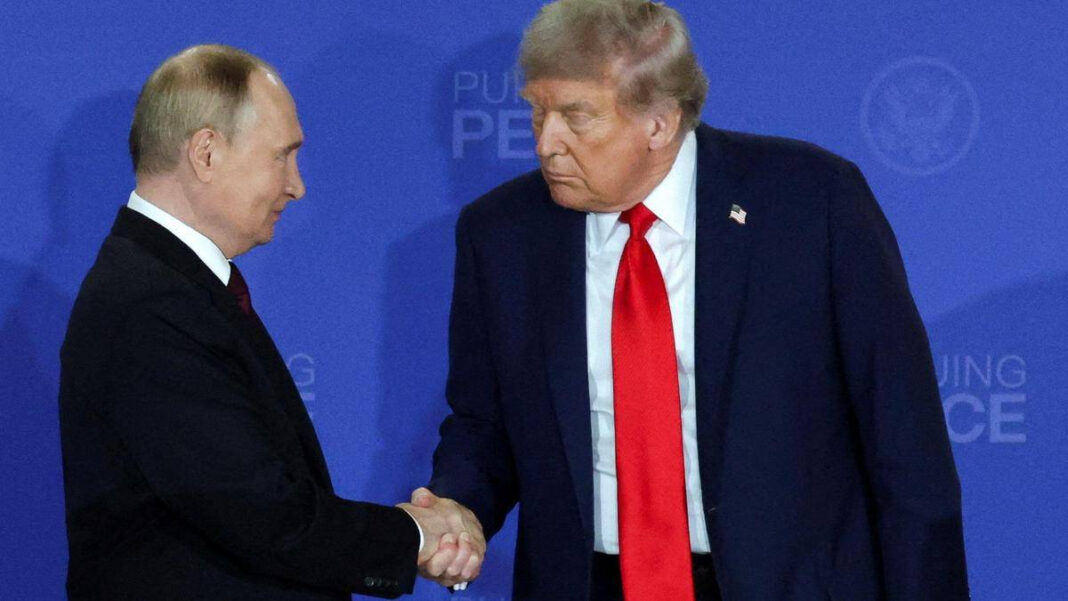
The timing of Ukraine’s increased military actions comes as U.S.-Russia relations are at a low point. Diplomatic engagements have been strained by various conflicts of interest, including nuclear arms control, cybersecurity issues, and mutual accusations of interference in domestic affairs. The Biden administration has maintained a firm commitment to supporting Ukraine, providing billions in military and humanitarian assistance. However, as domestic pressures mount in the U.S., including rising inflation and political polarization, the sustainability of this support may be tested.
American officials have warned that Russia’s response to Ukraine’s renewed offensive could lead to further escalation, potentially dragging the U.S. into a more direct involvement or even a recalibration of its strategy in Eastern Europe. The Biden administration faces the challenge of balancing support for Ukraine with the imperative of avoiding a broader conflict that could have global ramifications.
The Path Forward
As Ukraine intensifies its military campaign against Russian oil refineries, the international community watches closely. The ability of Ukraine to execute these operations effectively may serve to bolster its negotiating position in any future peace talks. However, the risks associated with heightened military actions cannot be understated. There is a significant potential for escalation, and any miscalculation could lead to a direct confrontation between NATO allies and Russia.
For Ukraine, this aggressive posture is seen as a necessary move in a protracted conflict. Yet, as the U.S. grapples with its own internal and external challenges, the dynamics of international diplomacy will play a crucial role in determining the outcome of this situation. Ultimately, the continuation of Russia’s support for the war and Ukraine’s resilience on the battlefield will shape the future trajectory of the conflict and the overarching geopolitical landscape.
In conclusion, as the situation unfolds, the world is reminded of the complexities of modern warfare, where industrial targets become central to national security, and the fragility of international alliances hangs in the balance. The coming weeks will be critical in assessing the ramifications of Ukraine’s renewed attacks and the implications for U.S.-Russia relations as both powers navigate a precarious geopolitical landscape.