 "
/>
"
/>

Kremlin Announces Resumption of Diesel Exports Following Deal with Trump
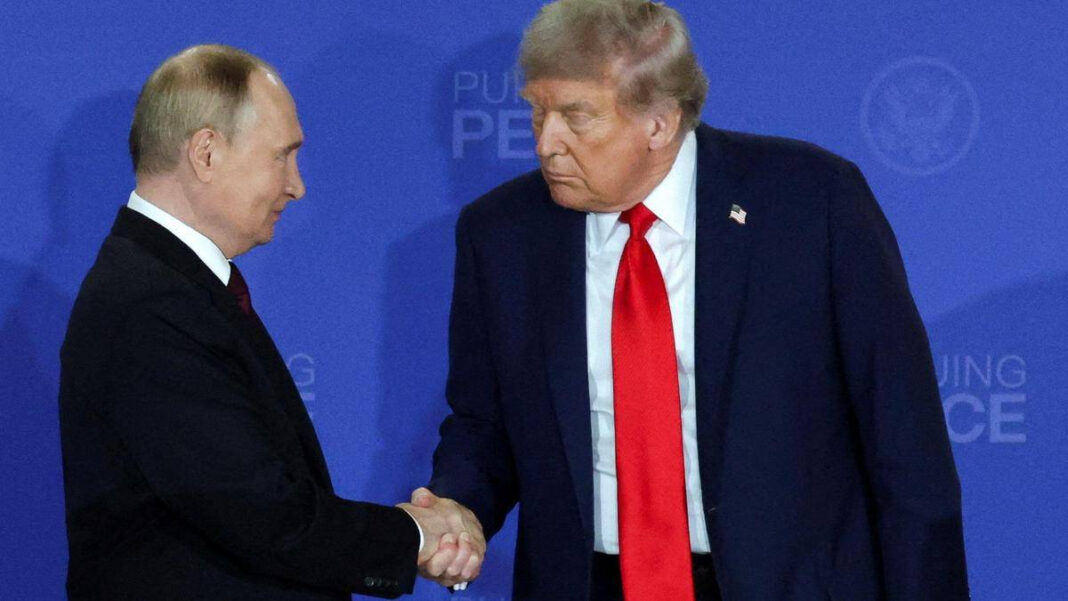
In a surprising turn of events, the Kremlin has confirmed that Russia will resume diesel exports, citing a recent agreement with former U.S. President Donald Trump as a catalyst for this decision. This announcement, while unexpected, underscores the ever-evolving dynamics of international energy markets and geopolitics.
Background of the Deal
The backdrop of this agreement dates back to the significant tensions in U.S.-Russia relations over the past few years, particularly during Trump’s presidency. After years of sanctions and tariffs that limited Russia’s energy exports, the Kremlin sought to stabilize its economy through enhanced trade agreements and partnerships. High-level discussions have reportedly taken place that focus on energy cooperation, particularly in the context of stabilizing global fuel prices amid ongoing geopolitical conflicts and the fallout from the COVID-19 pandemic.
Russia’s Energy Exports and Economic Implications
Diesel, a critical fuel for transportation, agriculture, and industry, has seen fluctuating prices due to various factors, including supply chain disruptions and increased demand as economies recover post-pandemic. The resumption of diesel exports from Russia is significant, as the country was among the top suppliers of diesel fuel to Europe and other regions before sanctions were imposed.
The Kremlin’s strategy appears aimed at not only rebuilding its energy portfolio but also strengthening its position in the global market. With the loss of European markets amidst sanctions due to the Ukraine crisis, Russia has been actively seeking alternative markets and reinforcing existing partnerships. Renewing diesel exports could provide the necessary boost to the Russian economy, which has faced substantial hardships under sanctions.
The Role of Trump
Former President Trump has always maintained a unique relationship with Russia, often advocating for better ties. Although he is no longer in office, his influence on American politics and international relations continues to resonate. Trump’s administration had taken bold steps to engage with Moscow, and this recent agreement seems to echo his past diplomatic strategies.
The specifics of the deal, however, remain ambiguous. Analysts speculate that Trump’s business acumen and desire for lower fuel prices in the U.S. might have played a critical role in facilitating negotiations. Furthermore, the agreement could signal a strategic move for the U.S. to shore up its own energy needs, making it a complex win-win scenario for both parties involved.
Geopolitical Reactions
International reactions to the announcement have been varied. On one hand, energy markets are responding optimistically, with crude oil prices showing signs of stabilization following the news. On the other, Western allies remain cautious, fearing that allowing Russian exports back into the market could undermine ongoing sanctions and the collective effort to hold Russia accountable for its actions in Ukraine.
As Europe grapples with how to respond to Russia’s continued movements, the resumption of diesel exports could create new openings for dialogue but may also exacerbate existing tensions if perceived as a violation of sanctions or a rallying point for anti-Russian sentiments.
Conclusion
The Kremlin’s announcement to restart diesel exports following a deal with Donald Trump marks a significant moment in the fluid landscape of global energy politics. It reflects the complexities of international relations where economic interests often intersect with geopolitical maneuvering. As the situation unfolds, it will be critical to observe how this agreement shapes Russia’s economic recovery, affects global fuel markets, and influences U.S.-Russia relations moving forward. With many unknowns left to navigate, the world watches closely as the dialogue continues.