 "
/>
"
/>

Commercial Goods Are No Longer Entering Gaza: Fears of Worsening Shortages
As the humanitarian crisis in Gaza deepens, reports indicate that commercial goods have come to a halt at the territory’s border crossings, raising alarm over the potential for severe shortages of essential supplies. The situation in Gaza, which has long been grappling with economic hardships and restrictions, is now entering a critical phase that jeopardizes the well-being of its residents.
Current Status of Trade and Supplies
The blockade of Gaza, which has been in place for over a decade, severely limits the flow of goods into the region. However, recent escalations have resulted in a significant reduction in commercial imports, exacerbating an already precarious situation for the population. With the closures of checkpoints and the suspension of trade agreements, everyday items such as food, medicine, fuel, and building materials have become increasingly scarce.
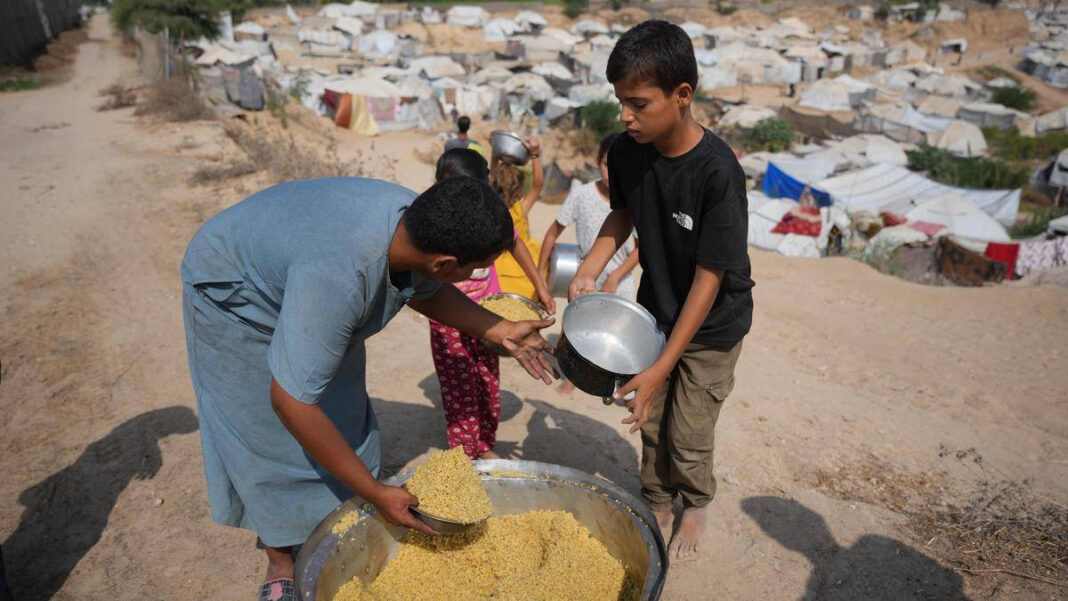
According to humanitarian organizations operating in the area, the recent restrictions mean that staples such as flour, rice, and cooking oil are not reaching the 2.1 million people living in Gaza. Pharmacists report dwindling supplies of essential medications, and hospitals warn of critical shortages as they face an influx of patients amid ongoing violence and rising health complications.
Humanitarian Implications
The implications of this halt in commercial trade are dire. In a territory where over 50% of the population relies on humanitarian aid, the inability to import goods will likely lead to increased malnutrition, disease, and a general deterioration of public health. The World Food Programme and other NGOs have stressed that without immediate intervention, the risks are likely to compound, affecting not only health outcomes but overall stability in the region.
Experts warn that this situation could ignite social unrest as people confront the realities of food insecurity and dwindling resources. The already strained infrastructure, characterized by limited electricity and water supply, may implode under the pressure of a growing humanitarian crisis, leading to further instability.
International Response and Calls for Action
In response to these alarming developments, several international organizations and foreign governments have called for an urgent reassessment of policies regarding Gaza. Diplomatic efforts are being made to secure the unimpeded flow of commercial goods into the territory, emphasizing the need for humanitarian access regardless of wider political dynamics. Human rights organizations are demanding accountability, urging both local and international leaders to prioritize the welfare of civilians caught in the conflict.
Efforts to negotiate the resumption of commercial imports have been met with mixed responses, with security concerns often cited by neighboring countries as a reason for their hesitance. However, the argument for prioritizing human life and humanitarian access is gaining traction, highlighting the distinction between military and civilian needs.
Public Sentiment and the Road Ahead
Public sentiment within Gaza is one of desperation and frustration as residents witness the slow degradation of their quality of life. Social media platforms and local news outlets amplify the voices of those who are struggling, sharing stories of families facing hunger and health crises. In the absence of significant international intervention, the outlook remains bleak.
As this crisis unfolds, the international community is faced with a pressing question: At what point does political discourse yield to humanitarian obligation? With commercial goods no longer entering Gaza, the imperative to act becomes more urgent. A collaborative effort that encompasses diplomacy, aid, and a commitment to protecting human rights is crucial for delivering relief to a besieged population.
In conclusion, the stoppage of commercial goods entering Gaza not only exacerbates the humanitarian crisis but also poses broader implications for regional stability. As the world watches, the responsibility falls on all stakeholders to facilitate humanitarian access and open pathways for aid, ensuring that the people of Gaza can access the necessities for survival and dignity. Absent this, the consequences may extend beyond the borders of Gaza, challenging the fabric of regional peace.