
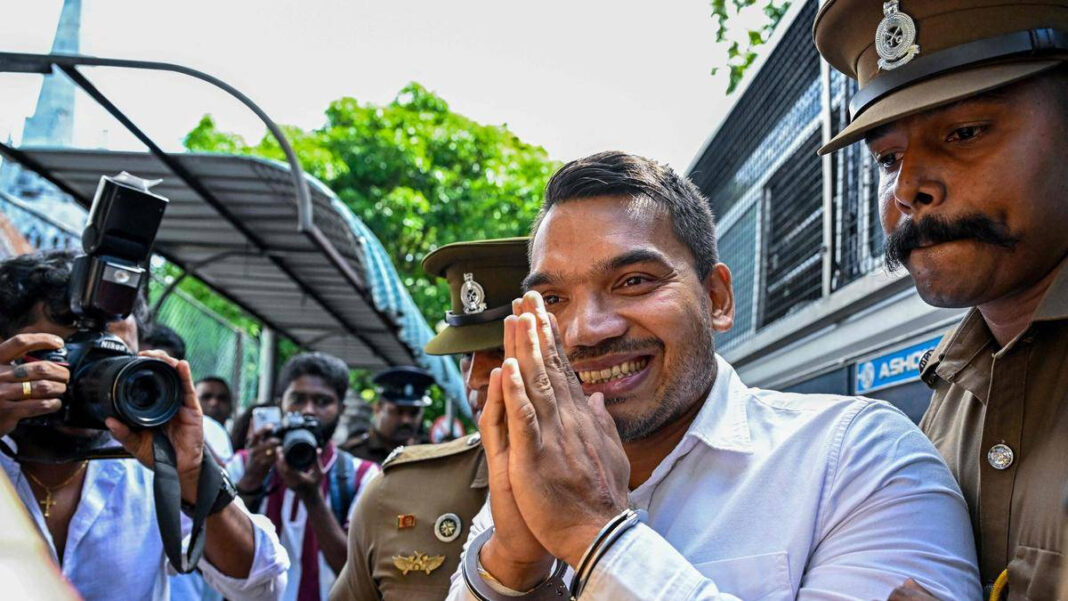

Sri Lanka Court Refuses to Issue Arrest Warrants for Indian Directors in Bribery Case
In a significant development in the ongoing legal saga surrounding allegations of bribery, a Sri Lankan court has declined to issue arrest warrants for two Indian directors implicated in the case. This ruling comes amidst a backdrop of heightened scrutiny regarding corruption within both local and international business dealings in Sri Lanka.
Background of the Case
The bribery case revolves around allegations that the two directors, associated with a major Indian firm, attempted to engage in corrupt practices related to a lucrative project in Sri Lanka. Reports suggest that the accusations stem from a series of transactions involving substantial sums that allegedly aimed to secure favorable outcomes in government contracts.
The case highlights a pervasive concern in Sri Lanka regarding corruption and the integrity of public procurement processes. As the government strives to attract foreign investment and enhance economic stability, such scandals have prompted calls for greater transparency and accountability.
Court’s Rationale
The court’s decision to refuse the issuance of arrest warrants was met with mixed reactions. Presiding Judge Nishanka Gunaratne cited a lack of sufficient evidence to warrant the arrest of the two directors at this stage in proceedings. This ruling reflects the complexities of navigating international legal frameworks, especially when foreign nationals are involved.
Moreover, the judge emphasized the importance of due process, reaffirming the principle that individuals should not be subjected to arrest without substantive proof of wrongdoing. The court also indicated that it would continue to evaluate the evidence presented and maintain oversight of the case as it progresses.
Implications for Sri Lanka
This ruling has far-reaching implications for Sri Lanka’s legal landscape and its relationship with foreign investors. On one hand, it may signal to international business entities that the judicial system is cautious about issuing arrest warrants, especially in cases lacking clear evidence. On the other hand, the case underlines the necessity for robust mechanisms to combat corruption and ensure ethical business practices.
Experts argue that the Sri Lankan government must prioritize reforming its legal and regulatory frameworks to build investor confidence and uphold standards of corporate governance. As Sri Lanka seeks to rebound economically, the outcome of such cases can significantly influence perceptions of the country’s business environment.
Future Outlook
As the case unfolds, it is likely to attract continued media scrutiny and public interest. The court has indicated that it will reconvene to review any further evidence that may emerge. Observers will be watching closely to see how both the judicial process and the government respond to this high-profile case, particularly in the context of ongoing efforts to improve Sri Lanka’s international standing.
In conclusion, while the court’s refusal to issue arrest warrants for the two Indian directors may currently favor the defendants, the long-term implications of this case may play a pivotal role in shaping the future of corporate governance and anti-corruption measures in Sri Lanka. As the world watches, the steps taken by both the judiciary and the government will be crucial in determining whether Sri Lanka can effectively combat corruption and attract sustainable investment.