 "
/>
"
/>

Not critical
Industrial Capabilities
Concerns that are Easy to Understand
Title: Nazis and the Bomb: Unraveling the Mysteries of Werner Heisenberg’s Nuclear Ambitions
Introduction
The narrative of World War II has often been shaped by the stories of heroism, betrayal, and technological advancement. At its heart lies the infamous Manhattan Project, which ultimately culminated in the first nuclear bombs and fundamentally altered the nature of warfare. Yet, a parallel tale unfolds across the Atlantic, wherein German scientists, led by the eminent physicist Werner Heisenberg, delved into the possibility of creating a nuclear weapon for the Third Reich. Recent explorations in nuclear archaeology have revealed startling insights into how close Heisenberg and his colleagues came to achieving this monumental feat—and the miscalculations that defined their efforts.
Heisenberg and the German Nuclear Project
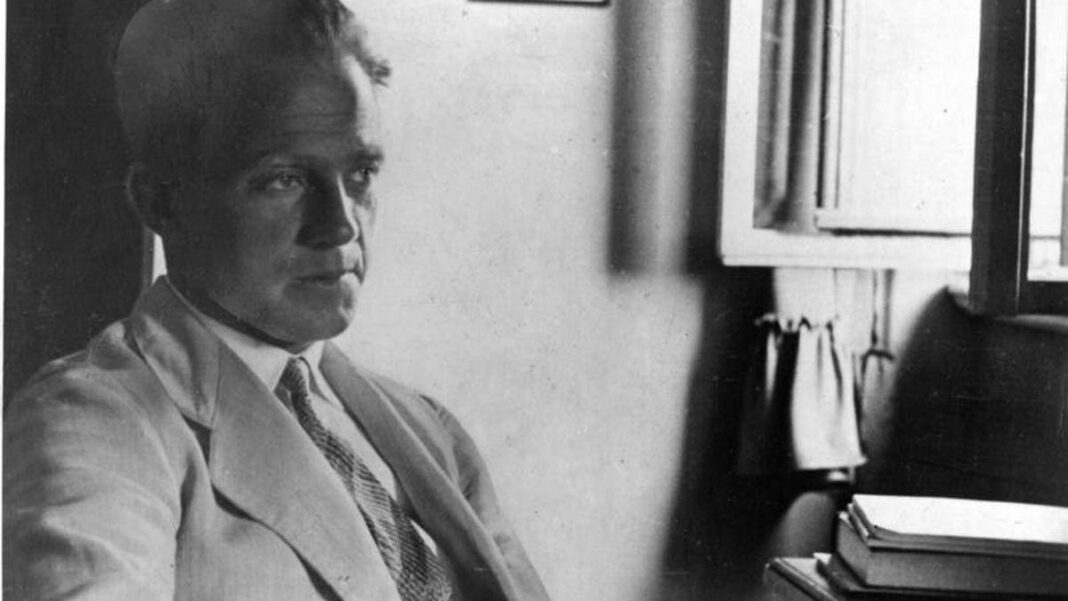
Werner Heisenberg, a Nobel laureate and one of the key figures in the development of quantum mechanics, found himself at the forefront of Nazi Germany’s ambition to develop nuclear technology. Following the discovery of nuclear fission by Otto Hahn and Fritz Strassmann in 1938, Germany initiated a nuclear research program that aimed to harness this groundbreaking scientific discovery for military purposes.
In the years leading up to the war, Heisenberg and his collaborators, including physicist Carl Friedrich von Weizsäcker and chemist Otto Hahn, were tasked with spearheading this project. They aimed to achieve a self-sustaining nuclear chain reaction, which was widely considered essential for producing a nuclear bomb. However, critical miscalculations and a lack of resources plagued their efforts.
Nuclear Archaeology: A Window into the Past
The field of nuclear archaeology—an interdisciplinary approach combining nuclear physics, history, and archaeology—has emerged in recent years, enabling researchers to delve into the past and unveil the extent of Germany’s wartime nuclear ambitions. Archaeological digs at former research sites, coupled with the examination of declassified documents and the testimonies of surviving scientists, have painted a clearer picture of the German nuclear program.
Recent findings have suggested that Heisenberg and his team may have mistakenly believed that they were much closer to a functional bomb than they actually were. An analysis of scientific records reveals that key assumptions regarding critical mass—the minimum amount of fissile material needed to maintain a nuclear chain reaction—were significantly off. While Heisenberg calculated that approximately 35 kilograms of uranium-235 were necessary, later studies demonstrated that only about 25 kilograms would suffice. This miscalculation, compounded by the challenges of securing adequate supplies of fissile material, hampered their progress.
The Ethics of Nuclear Research and the Nazi Regime
Complicating this scientific undertaking was the regime under which Heisenberg and his colleagues operated. The ethical implications of conducting research for a totalitarian government intent on waging war and committing heinous acts of violence loomed large. Heisenberg’s motivations have been the subject of extensive debate—was he a patriot driven by duty to his country, or did he wrestle with the moral implications of his work?
The question of whether Heisenberg actively supported the Nazi regime or sought to sabotage its efforts remains unresolved. Some historians argue that the scientists involved in the German nuclear project were genuinely working to thwart the development of a bomb in the hands of Nazi leadership; others contend that their pursuits were motivated by a sense of national pride and scientific curiosity.
Conclusion: Lessons from the Past
The story of Werner Heisenberg and the Nazi nuclear project serves as a profound reminder of the delicate interplay between science, ethics, and power. As nuclear archaeology continues to uncover the layers of this historical enigma, it provokes reflection on the responsibilities of scientists, especially in times of geopolitical turmoil.
The spectral shadow of nuclear weapons hangs over the modern world, reminding us of the potential consequences of pushing scientific boundaries for destructive purposes. By examining the miscalculations and moral dilemmas faced by figures like Heisenberg, we are better positioned to navigate the complexities of contemporary scientific endeavors—ensuring that history’s lessons resonate in our choices and actions today.