 "
/>
"
/>

UN Chief Calls for Gaza Ceasefire Ahead of October 7 Anniversary
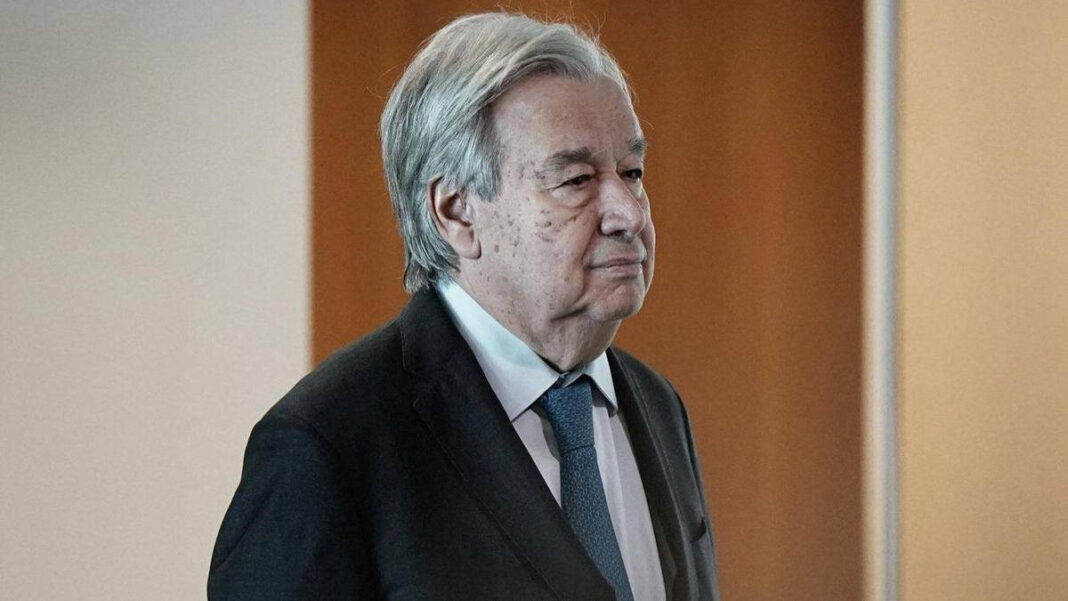
As the world marks the anniversary of a significant and tumultuous event in the ongoing Israeli-Palestinian conflict, the Secretary-General of the United Nations, António Guterres, has urged for an immediate ceasefire in Gaza. The call comes as tensions remain high in the region, with recent escalations causing considerable loss of life and humanitarian distress.
Context of the Conflict
The date of October 7 carries heavy implications for both sides. For Palestinians, it serves as a reminder of the ongoing struggles and challenges they face under occupation and the humanitarian crises in Gaza. For Israelis, it marks moments of turmoil and tragedy that have defined their security concerns over decades.
The recent surge in violence has exacerbated already precarious conditions in Gaza, where the blockade has restricted access to essential services such as healthcare, education, and clean water. The ongoing conflict has not only resulted in loss of life but has also intensified humanitarian needs. The UN estimates that millions of people require urgent assistance.
A Plea for Ceasefire
In his recent address, Secretary-General Guterres emphasized the urgent need for a ceasefire to mitigate the human cost of the ongoing violence. He stated, “The people of Gaza have suffered far too long. A ceasefire is an imperative that must be respected to allow humanitarian aid to flow unimpeded and to create a conducive environment for peace negotiations.”
The UN chief’s plea comes amidst reports of increased airstrikes and ground operations in the region, which have disproportionately affected civilians. Guterres highlighted the importance of protecting civilians in conflict and ensuring that humanitarian access is maintained. “There can be no justification for the targeting of civilians, whether in Gaza or Israel,” he noted.
International Response
The international community has largely echoed Guterres’ call, with various governments and organizations pushing for an immediate halt to hostilities. Diplomatic efforts are being mobilized to facilitate discussions among the conflicting parties. Humanitarian organizations have also ramped up their efforts to provide aid to those affected by the violence, urging for safe corridors to deliver food, medicine, and other necessities.
However, achieving a lasting peace remains a daunting challenge. Previous ceasefires have often been temporary, with underlying issues yet to be addressed. The complexity of the Israeli-Palestinian conflict, deeply rooted in historical grievances, territorial disputes, and political divisions, requires a multi-faceted approach that goes beyond temporary solutions.
The Road Ahead
As the October 7 anniversary approaches, the world is reminded of the dire need for sustained dialogue and engagement between Israeli and Palestinian leaders. The UN has reiterated its commitment to supporting peace efforts and ensuring that the voices of both communities are heard in the quest for a just resolution.
In the face of escalating violence, the UN chief’s call for a ceasefire serves as a crucial reminder of the human cost of conflict and the imperative of prioritizing peace. It is a call not just for the cessation of hostilities, but for the hope of reconciliation and a future where both Israelis and Palestinians can live in peace and dignity.
Moving forward, it will be essential for the international community to stay engaged, holding both sides accountable while facilitating a pathway to a sustainable resolution. The call for a ceasefire is just a starting point; the journey toward lasting peace requires commitment, compassion, and a collective effort to address the root causes of this enduring conflict.