 "
/>
"
/>

Undecided Voters
External Interference
Economic Challenges
Controversial Campaigns
Flavio Bolsonaro Surprises in Brazil’s Presidential Race, Faces Lula in Runoff
In a shocking turn of events in Brazil’s presidential race, Flavio Bolsonaro, the senator and son of former President Jair Bolsonaro, has outperformed early polling predictions to secure a place in the runoff election. As the country gears up for what promises to be an intense electoral battle, the stage is set for a high-stakes contest between Flavio Bolsonaro and the frontrunner, former President Luiz Inácio Lula da Silva.
A Surprising Rise
Flavio Bolsonaro entered the race with the backing of the currently popular right-wing party, solidifying his position within the political landscape of Brazil. Initial forecasts pointed to a struggle for Flavio against established candidates, but his campaign has resonated with a significant portion of the electorate— particularly among loyal right-wing voters who remain strong supporters of his father, Jair Bolsonaro.
His platform emphasizes traditional values, economic reform, and a staunch defense against leftist policies, echoing his father’s presidency, which was marked by contentious political divisions. This alignment with his father’s political legacy has helped him mobilize an enthusiastic base, despite the challenges posed by the ongoing socio-economic difficulties facing Brazil, including inflation and unemployment.
The Road to the Runoff
The first round of voting revealed a fragmented electorate, with various candidates vying for attention and votes. Flavio’s ability to capture a significant share of the vote was unexpected but contributed largely to dissatisfaction with Lula’s policies among certain demographics, particularly in more conservative regions. His campaign’s focus on law and order, agricultural interests, and anti-corruption rhetoric struck a chord with voters looking for stability and continuity after years of political turmoil.
Facing Lula
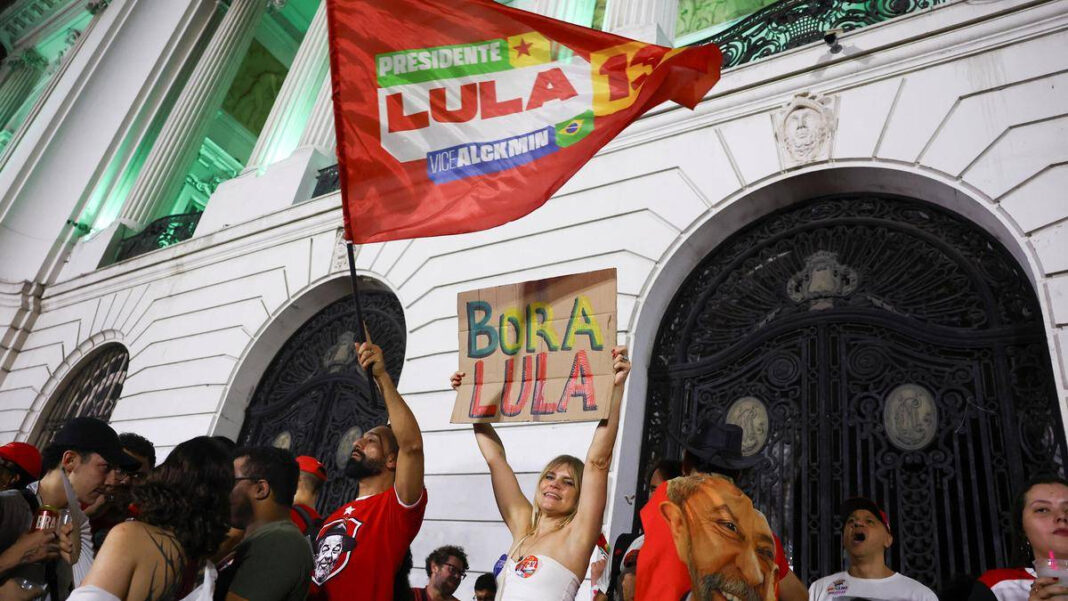
Flavio Bolsonaro’s runoff opponent, Luiz Inácio Lula da Silva, is no stranger to Brazilian politics. Lula, a veteran leader and founder of the Workers’ Party, previously served two terms as president from 2003 to 2010, during which Brazil saw economic growth and expansion of social programs. However, his return to the political arena has been marked by controversy, as he is still dealing with the repercussions of legal battles and criticisms of his past governance.
The upcoming election is likely to be a clash of ideologies: Lula’s progressive agenda, which includes social welfare and economic inclusion, versus Flavio’s conservative policies that focus on economic liberalization and social conservatism. As they go head-to-head, key issues such as economic recovery, public safety, and environmental policy will dominate the discourse.
Voter Engagement and Campaign Strategies
Both candidates will likely ramp up their campaign strategies to capture undecided voters and bolster turnout in their respective bases. For Flavio, this could mean leveraging his family name while simultaneously distancing himself from the controversies that plagued his father’s administration. It will be crucial for him to articulate a vision for Brazil that resonates with a broader audience, beyond just right-wing supporters.
Meanwhile, Lula will need to reaffirm his commitment to progressive values while addressing the economic challenges that many Brazilians continue to face. His ability to appeal to disillusioned voters who may have once supported Jair Bolsonaro will be critical for his success in the runoff.
The Importance of the Runoff
The stakes are high in this election, not only for the candidates but for the future of Brazil as a whole. The outcome will reflect the country’s current socio-political climate and may dictate the direction of policies affecting millions of Brazilians. As the runoff approaches, both candidates must navigate a landscape characterized by deep political divides and simmering social unrest, making this election one of the most consequential in recent Brazilian history.
As the campaign intensifies, the world will be watching closely to see how these two political figures engage with each other and address the pressing issues facing their nation. Regardless of the outcome, this election is set to mark a pivotal moment in Brazil’s democratic journey.