 "
/>
"
/>

Deepfake Alarm: AI’s Shadow Looms Over Entertainment Industry After Rashmika Mandanna Speaks Out
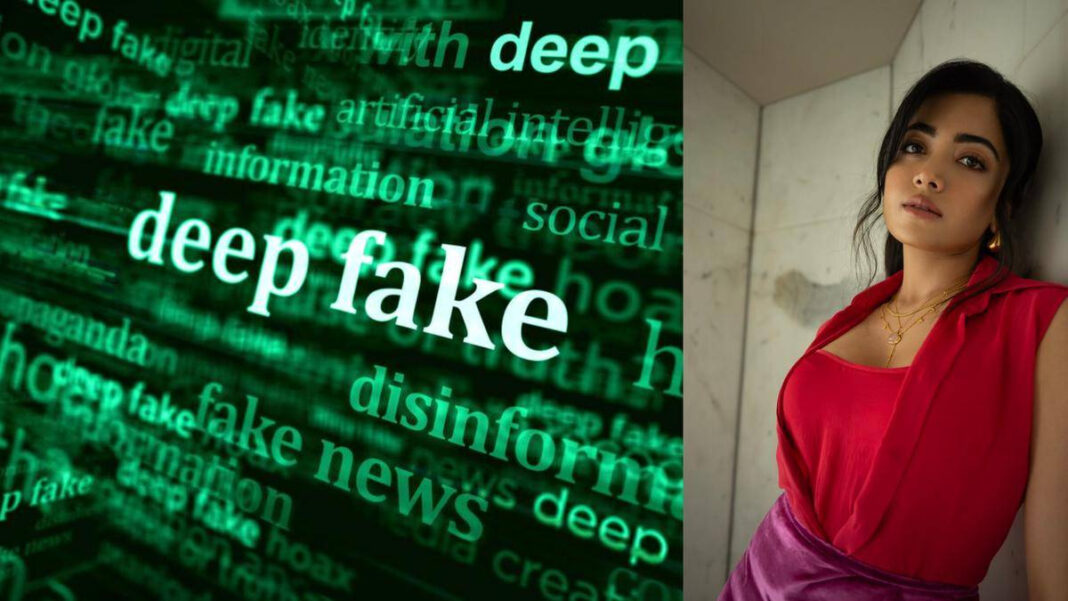
As technology continues to evolve at a rapid pace, the entertainment industry finds itself grappling with the implications of artificial intelligence (AI), particularly the rise of deepfake technology. This concern has been brought to the forefront following remarks by well-known Indian actress Rashmika Mandanna, who recently became the first Indian actor to publicly voice her apprehensions regarding deepfake misuse.
Background on Deepfake Technology
Deepfakes utilize AI to manipulate and generate realistic videos, often by mapping one person’s facial features over another’s body. Though this technology has legitimate applications, it also raises significant ethical concerns about privacy, consent, and misinformation. The allure of deepfake technology is often overshadowed by its potential for abuse, particularly in the realms of pornography, misinformation, and identity theft. The public awareness surrounding deepfakes has increased, driven in part by sensational cases that highlight their dangers.
Recent Incident Involving Rashmika Mandanna
Earlier this month, a disturbing deepfake video featuring Rashmika Mandanna emerged online, showing her facial likeness expertly morphed onto British-Indian social media influencer Zara Patel. Although those familiar with the technology could detect its unsettling nature, the viral spread of the video drew significant media attention. Mandanna’s established popularity as a pan-Indian star, coupled with her response to the deepfake, amplified discourse around the topic.
Mandanna’s condemnation of the deepfake serves as a critical reminder of the gendered implications of such technology, particularly for women in the public eye, who may face unique risks associated with deepfake abuse. Her willingness to speak out has sparked a broader dialogue on the ethical usage of AI and the responsibility of social media platforms to regulate harmful content.
Key Developments and Responses
The consequences of this deepfake incident were not limited to Mandanna’s personal response. The video prompted notable reactions, including a public statement from the Prime Minister of India, who expressed concern about the potential misuse of emerging technologies. This escalated the conversation about the urgent need for regulatory frameworks governing the use of AI technologies like deepfakes, ensuring the protection of individuals from exploitation and abuse.
Experts and activists have echoed these sentiments, calling for stringent guidelines and laws to address the increasing prevalence of deepfake technology. They argue that the time has come for lawmakers and technology stakeholders to engage in serious dialogues about responsible AI practices, particularly as the entertainment industry increasingly intersects with advanced technological innovations.
The Broader Context of AI Regulation
The situation surrounding Rashmika Mandanna is part of a larger global conversation regarding AI ethics and the regulation of technology. As AI capabilities continue to expand, public discourse must consider not only the benefits but also the potential hazards that such innovations can encroach upon personal freedoms and privacy. Rashmika’s courageous stand against deepfake manipulation has not only spotlighted her own circumstances but has also ignited wider concerns that resonate beyond the entertainment sphere.
Looking Ahead
As the entertainment industry evolves in response to technological advancements, the need for discussions on ethics and regulation becomes ever more pressing. Mandanna’s public admonition of the deepfake incident serves as a catalyst for the industry to reevaluate its protocols in the face of AI-driven challenges. The call for robust legal protections against misuse is gaining momentum, as stakeholders recognize the dire need to safeguard individuals against the potentially devastating impacts of deepfake technology.
In conclusion, the deepfake controversy involving Rashmika Mandanna underscores a pivotal moment in the intersection of technology and media. Her advocacy invites not only a reevaluation of the ethical implications of AI but also a necessary push for regulatory measures that protect individuals in an increasingly digital world.