 "
/>

Title: Donald Trump’s Remarks on France: A Deep Dive into Immigration and National Identity
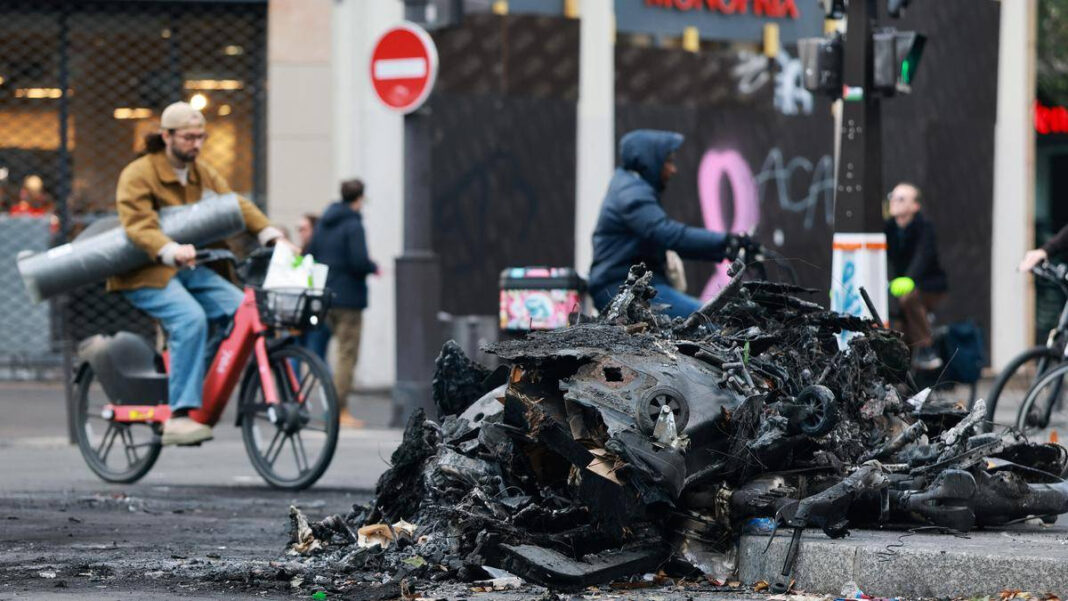
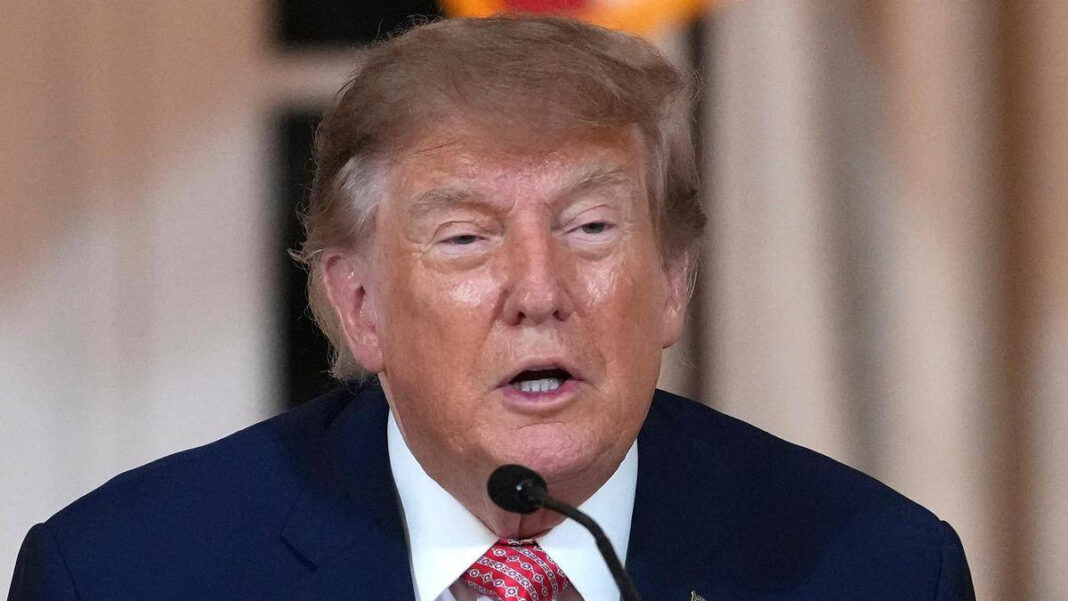
On a recent visit to a rally, former President Donald Trump made headlines with his bold assertion that “France is burning” and that the country has been “shattered” by immigration. These comments have ignited discussions not only about the state of France but also about broader themes surrounding immigration, national identity, and the socio-political landscape in Europe and the United States.
Context of Trump’s Remarks
Trump’s comments come in the wake of rising tensions in France related to immigration and integration. Over the past several years, the country has witnessed a series of protests, riots, and significant public debates surrounding the immigrant population, particularly from North Africa and the Middle East. Issues such as social cohesion, cultural identity, economic opportunity, and crime have become central to these discussions, reflecting a growing concern among many French citizens about the impact of immigration on their society.
Immigration in France: A Controversial Topic
France has a long history of immigration, with waves of newcomers contributing to its rich cultural tapestry. However, the challenges of assimilating diverse populations have also led to social unrest. High-profile incidents, such as riots in suburban neighborhoods, have drawn attention to the frustrations of marginalized communities, as well as the perceptions of many that the French government has failed to effectively address the issues at hand.
In recent years, political parties from both ends of the spectrum have sought to leverage these sentiments. The far-right National Rally party, led by Marine Le Pen, has gained traction by emphasizing concerns over immigration and national security, appealing to voters’ fears and frustrations. This backdrop has created fertile ground for Trump’s remarks, highlighting the political capital that can be derived from discussing immigration in a critical light.
Analyzing Trump’s Political Strategy
Trump’s consistent focus on immigration is a strategy familiar to his supporters in the U.S., where he has often framed immigration as a key issue that threatens national identity and security. By invoking the image of “France burning,” he taps into fears prevalent among many citizens about losing control over their borders and cultural identity, paralleling his own political narrative.
His comments resonate with a specific electorate that feels disillusioned with traditional party politics and is looking for a leader who speaks candidly about their concerns. In this sense, Trump’s remarks are not only about France but serve as a rallying cry for his base, emphasizing his role as a champion of nationalism and protector of domestic interests against what he frames as the dangers of unchecked immigration.
Broader Implications
The discourse surrounding immigration is not limited to political rhetoric; it has real implications for international relations and social cohesion. As countries grapple with how to integrate diverse populations, the challenge remains: how to balance compassion and security. Trump’s portrayal of France could affect how both American and European policies on immigration evolve.
Moreover, as global immigration patterns shift due to factors like climate change, economic disparity, and conflict, nations must consider their historical commitments to human rights, refugee protection, and cultural integration. The challenge lies not only in managing borders but also in fostering inclusive societies that embrace diversity while maintaining a cohesive national identity.
Conclusion
Donald Trump’s assertion that “France is burning” encapsulates a complex intersection of immigration, national identity, and political strategy. It reflects a moment of high tension and deep-seated fears that are not unique to France but resonate across many nations today. As discussions continue, it is essential to approach the topic with nuance, recognizing the human stories behind the statistics and the need for policies that unite rather than divide. Ultimately, how countries respond to these challenges will shape their societies for generations to come.