
BMC calls meeting with residents over fish deaths in Banganga Tank
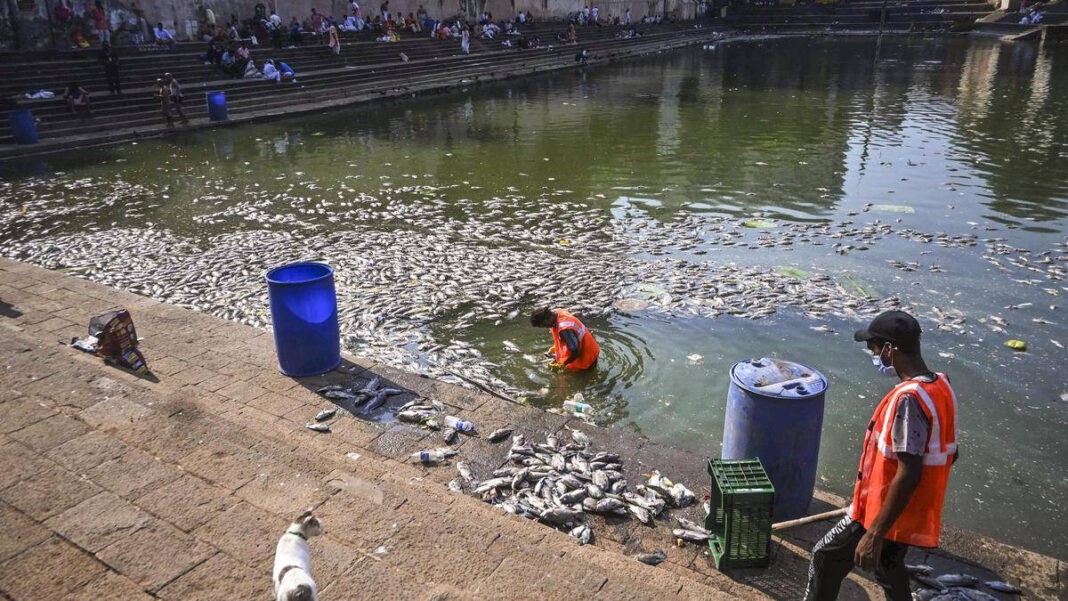
The Brihanmumbai Municipal Corporation (BMC) will convene a meeting with residents and priests in Walkeshwar this week after hundreds of fish were found dead in the Banganga Tank, a centuries-old water body in south Mumbai that is a focal point for religious rituals and local heritage. Municipal workers were seen collecting the dead fish from the tank on October 5, 2026.
Recurring deaths around Pitru Paksha
According to BMC officials, the fish deaths have become a yearly concern that typically coincides with Pitru Paksha, the fortnight during which devotees offer prayers and ritual items for their ancestors. Pitru Paksha began on September 26 and ends on October 10 this year.
“During Pitru Paksha started from September 26, people who pay homage to their ancestors pour slurry from flour and milk in the water affecting fishes,” said a BMC official, adding that this has become an annual problem.
BMC officials say the ritual offerings and associated waste degrade water quality, leading to reduced oxygen levels and harming aquatic life in the freshwater tank.
Meeting to focus on awareness and prevention
The civic body has called the meeting at the D Ward office, with an agenda centered on creating awareness among residents and priests about the consequences of water pollution in the tank and practical steps to protect the freshwater ecosystem. Officials said they intend to explain the ecological impact of offerings entering the tank and to encourage alternative practices that prevent contamination.
Background and heritage significance
Banganga Tank, located in the Walkeshwar area of Malabar Hill, is believed to have been constructed in AD 1127. The tank is a protected heritage site under the Archaeological Survey of India (ASI) and is steeped in local legend. It is traditionally associated with Lord Rama and is said to have emerged as a tributary of the Ganga at the spot where an arrow was shot into the ground.
Previous incidents and cleanup efforts
Similar incidents were reported in 2025, when hundreds of fish were found dead near the shore of the tank. At that time, the BMC removed around 10,000 kg of dead fish and floral waste from the site. In response to recurring pollution, the civic body last year installed collection bins at Banganga for floral and food offerings and initiated cleaning drives aimed at preventing such waste from entering the water.
Next steps
With this year’s fish deaths once again drawing attention to the tank’s fragile ecology, the BMC’s outreach meeting is expected to reinforce measures to prevent ritual waste from contaminating the water. Officials indicated that continued coordination with local religious leaders and residents will be key to curbing the annual cycle of pollution and fish mortality during the festive period.
Published: October 06, 2026