
Gandhi Beyond the Biopic: A Deeper Dive into His Legacy Through Documentaries and Podcasts
As filmmakers continue to reimagine the life and legacy of Mahatma Gandhi, the portrayal of this iconic leader is undergoing a transformation that goes beyond traditional biopics. Gandhi’s influence on global movements for peace and justice remains unmatched, yet aspects of his life and beliefs often remain lesser-known, even among informed audiences. Recent documentaries and podcasts aim to provide a deeper understanding of his philosophy and activism.
Exploring Lesser-Known Aspects of Gandhi’s Life
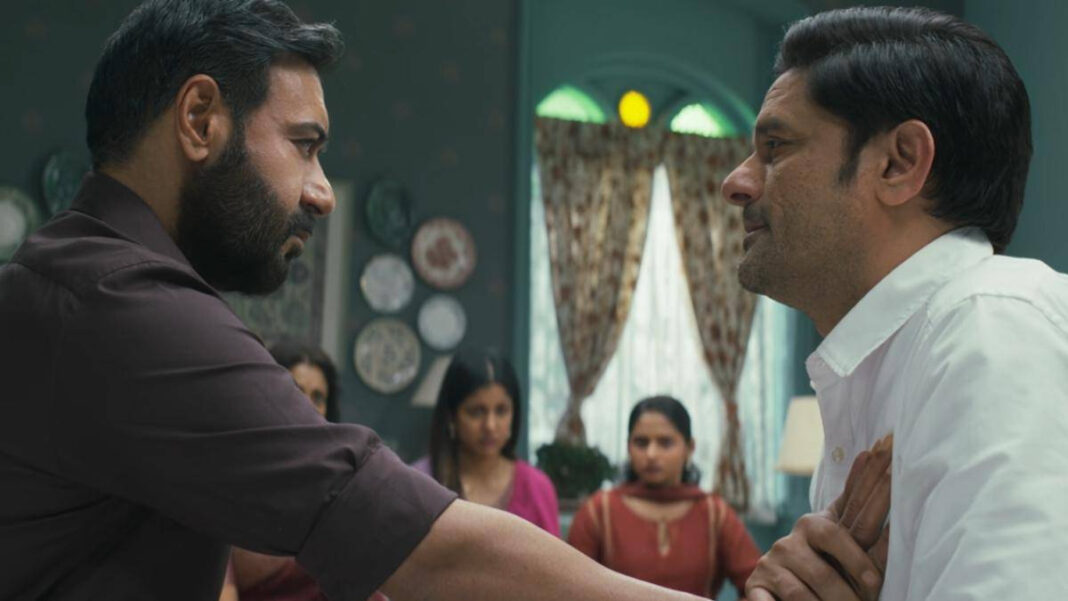
The enduring fascination with Gandhi has led to a multitude of portrayals on screen since notable adaptations like Richard Attenborough’s Gandhi and Shyam Benegal’s Making of the Mahatma. This trend continues, with Sudhir Mishra’s upcoming historical film featuring Manoj Bajpayee as Gandhi and Pratik Gandhi interpreting the leader through various mediums, including plays and web series. Yet, while these films provide a broad overview, they can only scratch the surface.
In this context, historical texts and documentary films play a pivotal role in bridging the gaps left by feature films. Notable among them is Ramesh Sharma’s documentary titled Ahimsa – Gandhi: Power of the Powerless (2021). This film features interviews with Rajmohan Gandhi, the Mahatma’s grandson, and civil rights activist James Lawson, who discuss how Gandhi’s vision of nonviolent activism evolved against the backdrop of oppression.
Insights from Family and Activists
In Ahimsa, Rajmohan Gandhi emphasizes an essential yet often overlooked aspect of his grandfather’s methodology, saying, “Gandhi saw the horror of violence in South Africa. And he realised the need for something with which to fight it without inviting a horrible retribution [upon the oppressed]. It occurred to him that a non-violent struggle could be the way — but it had to be absolutely fearless; you had to be prepared to pay the full price.”
Sharma, a veteran of documentary filmmaking, known for his work such as New Delhi Times (1986), adeptly blends interviews with rare archival footage, providing audiences with a nuanced understanding of Gandhi’s life and philosophy.
Restoring the Past
Furthermore, the 2026 Mumbai International Film Festival showcased a restored version of the 1968 documentary Mahatma: Life of Gandhi (1869-1948), directed by Vithalbai Jhaveri. This restoration, part of the National Film Heritage Mission initiative, highlights pivotal moments in Gandhi’s journey, such as the historic 1930 Dandi March, thereby enriching the contemporary portrayal of his contributions.
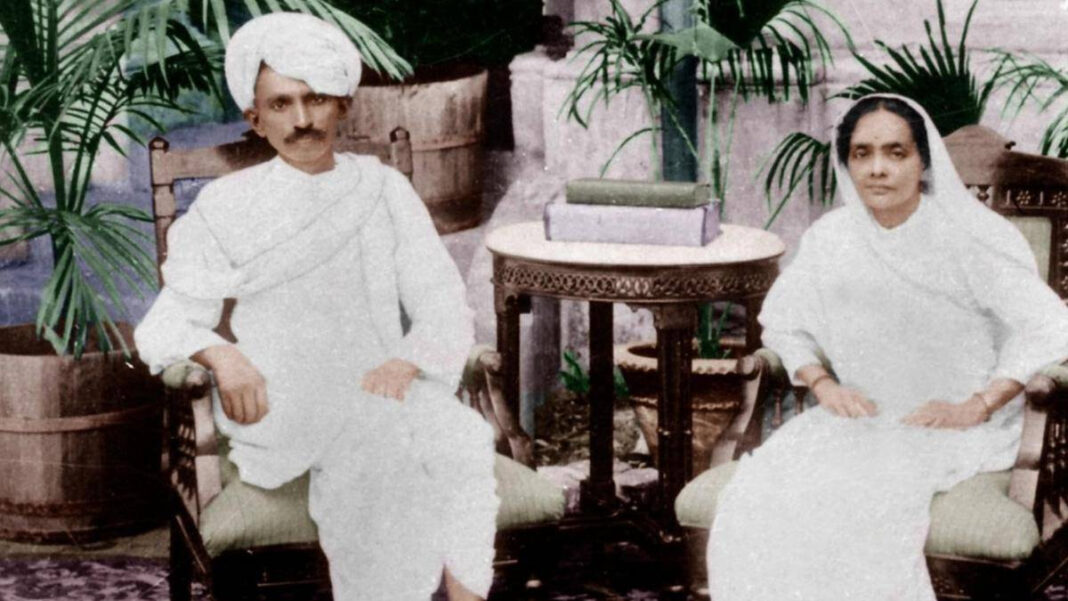
Another significant contribution to this discourse is Cynthia Lukas’s Kasturba Gandhi: Accidental Activist (2023). This documentary, narrated by actor Naveen Andrews, presents an independent exploration of Kasturba Gandhi, Mahatma Gandhi’s wife, asserting her own role in activism rather than merely framing her as a supporter of her husband’s endeavors. PBS is set to broadcast the second installment, titled Kasturba Gandhi: Compassionate Activist, in March 2027, coinciding with Women’s History Month.
Engaging Modern Audiences
As audiences increasingly turn to platforms like YouTube and Spotify, traditional broadcast media may struggle to capture attention. Contemporary audiences seek fast, clickable information often delivered with humor or irony. New narratives about Gandhi have emerged in response to this trend. A standout example is the YouTube documentary Gandhi: The Most Dangerous Pacifist in Human History, which effectively condenses significant moments of Gandhi’s life while also addressing more controversial aspects of his beliefs regarding caste, race, and sexuality.
Additionally, the podcast Gandhi – The Beginning, featuring journalist Ashraf Engineer and writer-activist Tushar Gandhi, delves into the Mahatma’s family history and formative years in South Africa. Through dialogue, they explore the foundational elements of Gandhi’s ideology, drawing insights from the memoir of Pyarelal, Gandhi’s secretary, who documented meetings from the 1920s and 1930s.
Reflections on Learning
Gandhi once articulated a conviction in the newspaper Harijan, stating, “In a democratic scheme, money invested in the promotion of learning gives a tenfold return to the people even as a seed sown in good soil returns a luxuriant crop.” In light of his statement, it is essential for audiences to explore these documentaries and podcasts, as they challenge and enrich our understanding of the man behind the Mahatma.
As modern narratives emerge in various forms, they not only pay homage to Gandhi’s legacy but also provoke reflection on his complex views and the necessity of non-violent resistance. The comprehensive portrayals now available lay the groundwork for more informed conversations about his enduring impact on contemporary struggles for justice and equality.
The writer is working on his first book of non-fiction.