 "
/>
"
/>

Faceless People: The Struggle for Citizenship Among Sri Lankan Tamil Refugees in India
The documentary “Faceless People” sheds light on a poignant and often overlooked issue: the plight of Sri Lankan Tamil refugees who have sought solace in India but remain in a liminal space, caught between identity and invisibility. Although these refugees fled the ravages of civil war in Sri Lanka, the hope of gaining Indian citizenship has remained unfulfilled for decades, leaving many to grapple with the ramifications of their statelessness.
A Historical Context
The Sri Lankan Civil War, lasting from 1983 to 2009, led to widespread violence and human rights abuses, compelling over 100,000 Tamils to flee to India, particularly to the southern state of Tamil Nadu, which has a shared ethnic and linguistic heritage with the Tamils of Sri Lanka. These refugees were initially welcomed with open arms; however, as years turned into decades, the political landscape shifted.
Despite the Tamil Nadu government’s recognition of their plight and the sympathetic public sentiment towards their cause, legal barriers have hindered the pathway to citizenship. Refugees have faced challenges, including bureaucratic indifference, political volatility, and a lack of a cohesive policy regarding their status.
The Faceless Experience
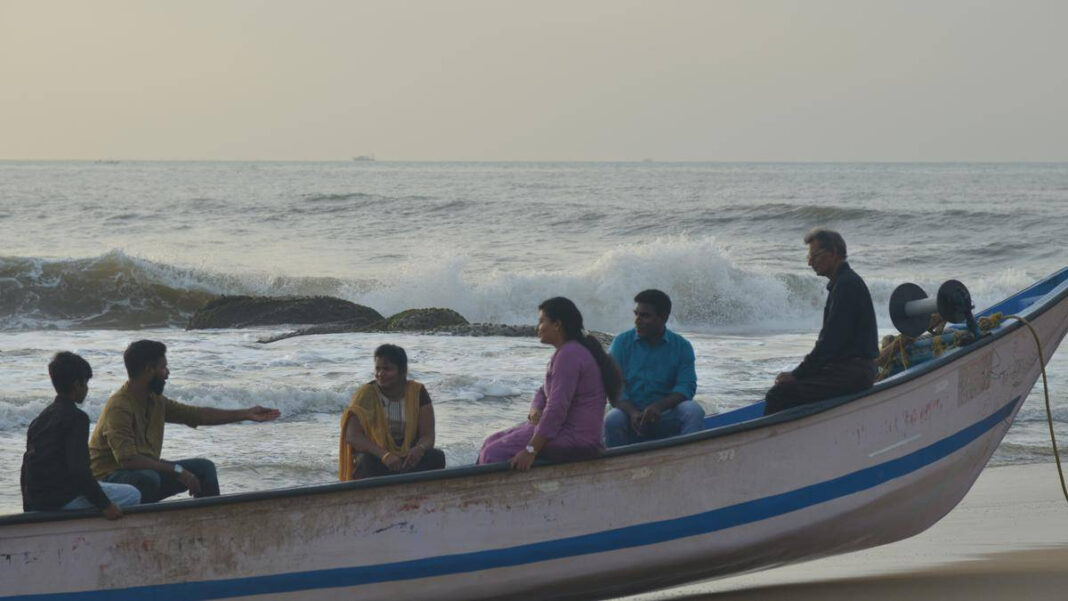
“Faceless People” poignantly captures the daily lives of these refugees, many of whom live in resettlement camps or informal settlements. The documentary viscerally portrays their struggles—families torn apart, children denied educational opportunities, and individuals unable to work legally. Interviews reveal stories of resilience, despair, and the desire for a sense of belonging, which remains elusive.
The term “faceless” is particularly evocative. It symbolizes not just the physical invisibility of refugees in the eyes of the state, but their erasure from the social and political narrative. Many refugees feel like ghosts within their own narratives, living in a limbo that denies them their basic rights, including access to healthcare, education, and gainful employment.
Legal and Political Barriers
One of the documentary’s core themes is the examination of legal frameworks that govern citizenship and refugee rights in India. The Indian Constitution does not currently allow for automatic citizenship for refugees, creating significant hurdles for those seeking to establish their legal identity. Despite the passage of time and changing political climates, policies regarding the status of Sri Lankan Tamils have remained ambiguous and inconsistent.
Moreover, the Citizenship Amendment Act (CAA) introduced in 2019 has complicated matters further. While the CAA aimed to provide a path to citizenship for non-Muslim refugees from neighboring countries, it did not include Tamils from Sri Lanka, exacerbating feelings of abandonment and marginalization among this community.
The Human Cost of Statelessness
The challenges faced by Sri Lankan Tamil refugees extend beyond legal status; they permeate daily life and mental health. The uncertainty surrounding their citizenship fosters a sense of hopelessness and affects familial structures, education, and community cohesion. Many live in constant fear of being deported back to a country they once fled, a scenario that remains daunting given the ongoing variations in political stability in Sri Lanka.
The documentary also emphasizes grassroots efforts aimed at advocating for the rights of these refugees. Local organizations and activists are tirelessly working to raise awareness and push for policy changes, yet the struggle remains difficult, often stymied by bureaucratic hurdles and political indifference.
A Call for Change
“Faceless People” serves as a powerful reminder that the plight of Sri Lankan Tamil refugees is not just a refugee issue; it is an issue of human rights and dignity. The voices of these refugees must be given space in the broader discourse on citizenship, identity, and national belonging in India.
With awareness comes responsibility. Engaging with the stories brought forth in the documentary allows for a deeper understanding of the complex social fabrics that bind communities together, as well as the urgent need for a reevaluation of policies governing refugee status and citizenship in India.
As the documentary poignantly illustrates, recognizing the “faceless” is the first step towards granting them the visibility and rights they so desperately deserve. The fight for citizenship is not only a political battle; it is a fight for identity, dignity, and belonging for thousands of individuals who have called India their home for generations.