
Not ready
Victory for Iran’s axis
New life for Islamic State?
U.S. Military Announces Completion of Troop Withdrawal from Iraq
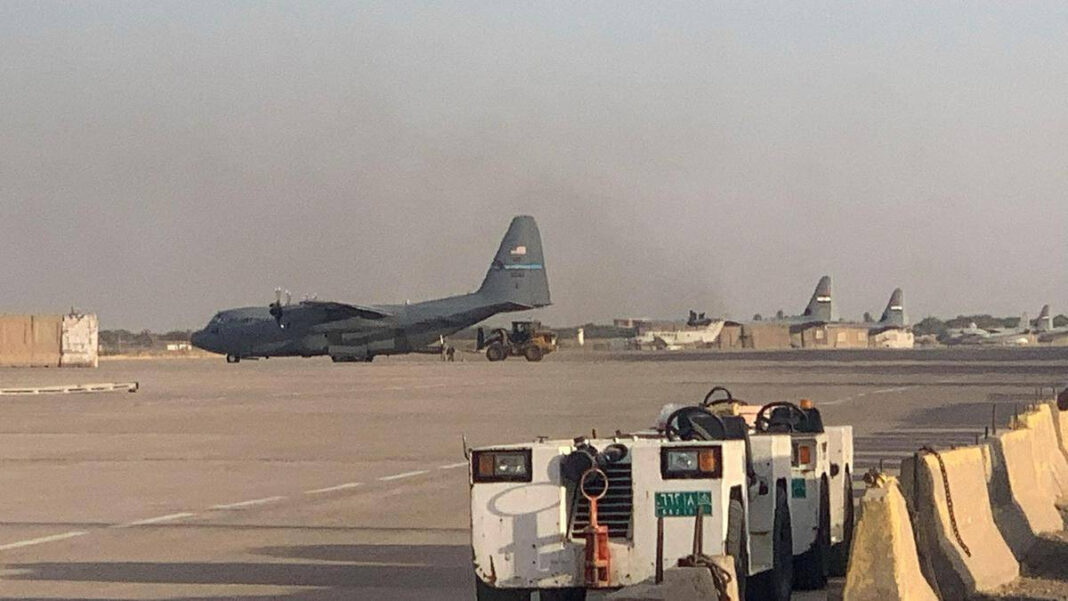
In a significant move marking the end of two decades of military engagement, the U.S. military has officially announced the completion of its troop withdrawal from Iraq. This pivotal milestone comes nearly 20 years after the U.S.-led invasion aimed at dismantling Saddam Hussein’s regime and combating terrorism in the region.
The Journey of Withdrawal
The withdrawal process began in earnest in late 2020, as the U.S. administration under President Joe Biden communicated a shift in strategy regarding military involvement in Iraq. The initial discussions emphasized a transition from active combat operations to a focus on training and advisory roles, particularly in counter-terrorism efforts against the remnants of ISIS and other extremist groups.
Over the subsequent months, the number of U.S. forces in Iraq transitioned from active combat troops to a smaller contingent dedicated to training and supporting Iraqi security forces. With the final troops departing, the U.S. has effectively transitioned into a new chapter of engagement in the Middle East—one that emphasizes diplomacy, economic support, and strategic partnerships.
Acknowledging Achievements and Challenges
The U.S. military’s presence in Iraq has seen a vast array of outcomes, some positive and others fraught with challenges.
Achievements:
- Defeating ISIS: One of the most notable achievements of U.S. military involvement was the significant role played in defeating ISIS, which at its peak had captured large swaths of Iraq and Syria. U.S. airstrikes and ground support were crucial in the liberation of territories and the eventual weakening of the extremist group.
- Building Iraqi Security Forces: Another notable success was the development and training of the Iraqi armed forces, which have taken on greater responsibility for their nation’s security over the past several years.
Challenges:
Despite these achievements, the withdrawal raises concerns about Iraq’s stability in the absence of U.S. troops. While the Iraqi government has expressed readiness to manage its own security, questions remain regarding the capability of its forces to combat the potential resurgence of extremist groups like ISIS, which still pose a threat in certain areas.
The Regional and Global Implications
The completion of troop withdrawal carries far-reaching implications, both regionally and globally. In Iraq, there are fears that the vacuum left by U.S. forces could embolden extremist factions and potentially lead to increased Iranian influence in the region. Iraq’s relationship with its neighbors, particularly those with vested interests like Turkey and Iran, will likely evolve as the U.S. reduces its military footprint.
Globally, the withdrawal underscores a broader trend of the U.S. reassessing its military commitments and focusing on domestic challenges while responding to other geopolitical crises, including those involving China and Russia. Critics argue that without a proactive U.S. presence, regions like the Middle East could regress into instability and violence.
The Future of U.S.-Iraq Relations
While military withdrawal marks a definitive end to active combat operations, it does not signify the end of U.S. engagement in Iraq. Both nations have expressed a commitment to maintaining diplomatic ties focused on economic aid, humanitarian support, and further training for Iraqi security forces.
The U.S. and Iraq face the challenging task of navigating this new phase in their relationship, ensuring stability and growth while addressing ongoing threats. Future U.S. involvement will likely prioritize partnerships that foster economic development and governance, focusing less on military solutions.
Conclusion
The completion of the U.S. military withdrawal from Iraq signals a profound moment in the nation’s history, marking not only the end of a significant military commitment but also the beginning of a new approach toward international relations and regional stability. As both nations adapt to this shift, the future remains uncertain, yet full of potential for rebuilding and strengthening Iraq as an independent and secure state.