 "
/>
"
/>

Turkey Detains Suspect in 2013 Attack Near Syria Border: Report
In a significant development concerning a long-dormant investigation, Turkish authorities have reportedly detained a suspect linked to a devastating attack that occurred in 2013 near the Syrian border. This incident, which resulted in numerous casualties, has remained a focal point for Turkey in its ongoing struggle against terrorism and cross-border violence from its neighboring conflict-ridden nation.
Background of the 2013 Attack
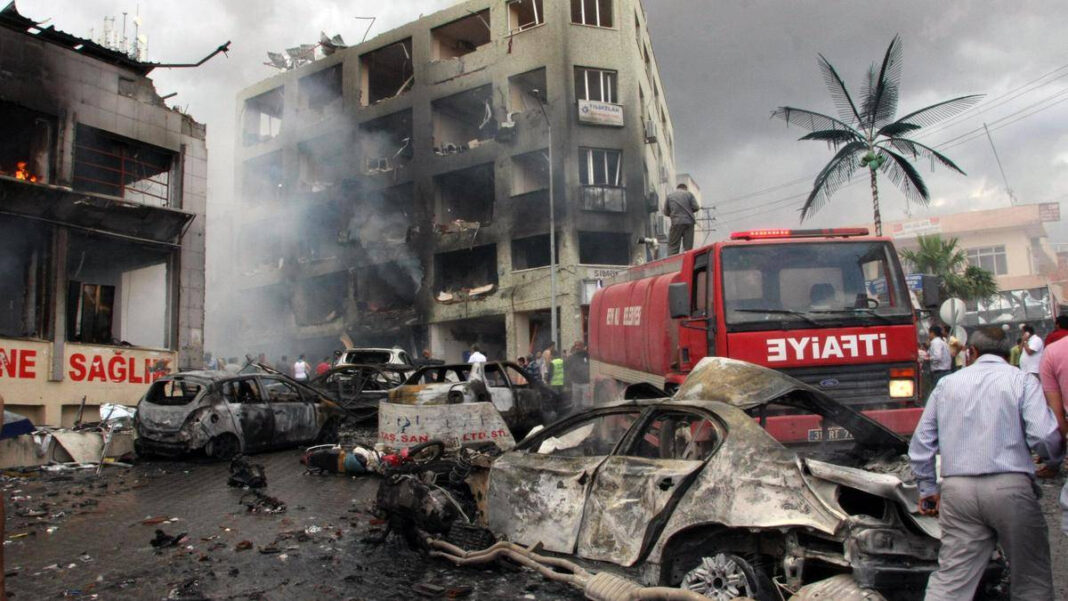
The attack in question took place in the Turkish town of Reyhanlı, located just a few kilometers from the Syrian border. On May 11, 2013, twin car bombings rocked the town, claiming the lives of 52 people and injuring more than 100 others. The bombings were a turning point for Turkey, drawing international attention to the spillover of the Syrian civil war and escalating concerns regarding security and terrorism.
The attack was initially attributed to the Syrian militant group known as the People’s Protection Units (YPG), which Turkey views as an extension of the PKK (Kurdistan Workers’ Party), a designated terrorist organization by Ankara and its allies. The bombings heightened fears surrounding the safety of Turkish citizens in border regions and sparked widespread public outrage, as well as calls for increased military and police action against perceived threats emanating from Syria.
Recent Developments
According to reports from Turkish media outlets, security forces apprehended the suspect during an operation carried out in the southeastern province of Hatay, an area that shares a border with Syria. While details about the suspect’s identity and specific role in the attack remain under wraps, the detention has been welcomed by many as a step toward delivering justice for the victims of the 2013 bombings.
The Turkish government has intensified its focus on counter-terrorism operations in recent years, with a particular emphasis on groups and individuals connected to the Syrian conflict. The recent arrest is part of a broader strategy to dismantle networks that pose a threat to national security, as Turkey faces multifaceted challenges ranging from separatist movements to jihadist groups crossing into its territory.
Implications for Turkey-Syria Relations
This arrest could have far-reaching implications for Turkey’s relations with Syria and its handling of the ongoing conflict in the region. As Ankara continues to grapple with the influx of refugees and the existential threat posed by terrorism, the Turkish government has been adamant in its stance against groups that it believes threaten its sovereignty.
Furthermore, the detention may influence Turkey’s military operations inside Syria, especially in areas where Kurdish groups are active. As Turkey has conducted multiple incursions into northern Syria aimed at eradicating Kurdish forces it deems a terrorist threat, the arrest serves as a reminder of the complexities of border security and counter-terrorism efforts in a region marked by shifting alliances and ongoing violence.
Public Reaction and Expectations
The reaction from the Turkish public has largely polarized, reflecting the broader divisions within the country. Families of the victims of the 2013 attack have expressed hopes that such actions might bring them closer to closure, while others worry about the implications of reduced civil liberties in the name of security. The Turkish government has been criticized at times for its handling of dissent and the suppression of various political movements, leading to debates about the balance between security and freedom.
As details surrounding the suspect emerge and further investigations unfold, many will be watching closely to see how this incident shapes Turkey’s future policies towards Syria, its approach to terrorism, and relations with both its citizens and the international community.
Conclusion
The detention of the suspect in the 2013 attack near Turkey’s border with Syria is a poignant reminder of the ongoing threat of terrorism in the region and the challenges faced by nations confronting such threats. As Turkey navigates a complex landscape shaped by geopolitical tensions and domestic pressures, the way it addresses past atrocities remains crucial not only for national healing but also for its future stability and security.