
 "
/>
"
/>

World Undergoing Profound Structural Changes: Insights from Japan’s Foreign Minister Motegi
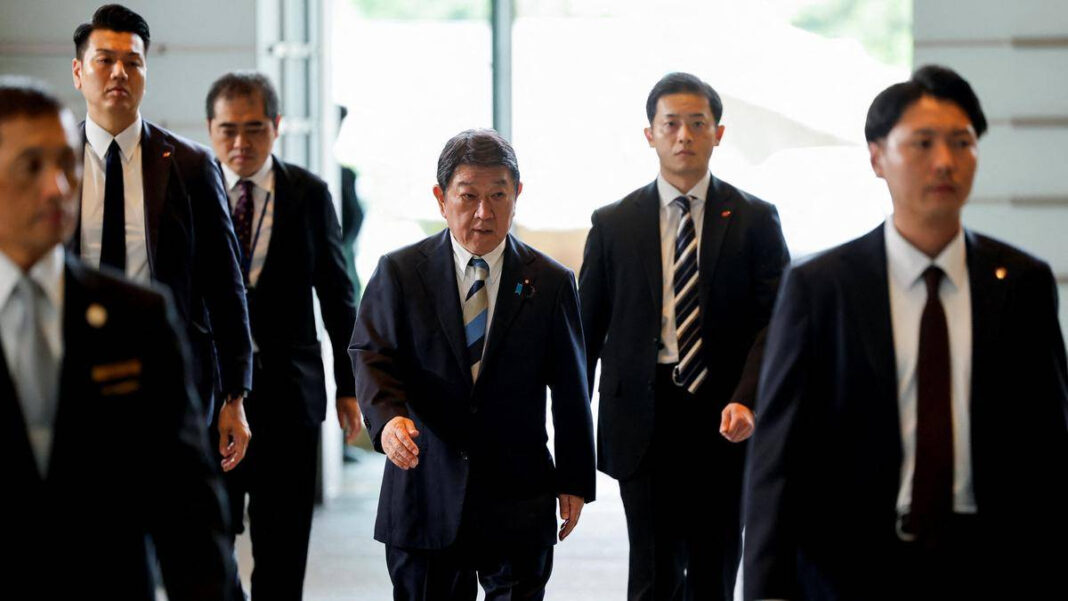
In an era marked by rapid globalization, technological advancements, and geopolitical shifts, the world is navigating complex transformations that are reshaping its very foundations. Japan’s Foreign Minister, Toshimitsu Motegi, recently underscored these significant changes during a series of diplomatic talks, emphasizing the need for adaptive strategies to address the evolving international landscape.
Emergence of New Geopolitical Dynamics
One of the most pressing issues highlighted by Minister Motegi is the emergence of new geopolitical dynamics in the Asia-Pacific region. As the influence of traditional powers fluctuates, there is a noticeable rise in regional actors asserting their presence on the global stage. This shift is exemplified by the growing significance of nations such as India and ASEAN countries, which are increasingly driving economic growth and political initiatives in the region.
Motegi pointed out that this reordering requires a recalibration of international relations and alliances. Countries must navigate a labyrinth of bilateral and multilateral agreements to establish effective collaborations that mirror the new realities. Japan, under his leadership, is seeking to strengthen ties with like-minded countries to bolster regional stability and security.
Economic Restructuring and Trade Dynamics
The global economy is also undergoing substantial structural changes, as highlighted by Minister Motegi. The COVID-19 pandemic has accelerated shifts towards digital economies, highlighting the vulnerabilities of global supply chains and the need for resilient economic structures. Nations are re-evaluating their dependence on single sources for critical goods, prompting calls for diversification and increased investment in local industries.
In this context, Japan is advocating for a “free and open Indo-Pacific,” emphasizing the importance of fair trade practices and transparent economic policies. Motegi underscored Japan’s commitment to multilateral trade agreements as a means to foster economic cooperation while ensuring equitable growth that benefits all stakeholders.
Technological Advancements and Security Challenges
The rapid pace of technological advancement introduces both opportunities and challenges for nations. From artificial intelligence to cybersecurity, these innovations are reshaping industries and transformation processes. However, they also pose significant security risks, necessitating a concerted international response.
Motegi stressed the importance of cooperation in developing shared norms and standards for emerging technologies. Japan’s proactive stance includes fostering partnerships in research and development, as well as addressing the ethical implications of technology deployment. This collaborative approach aims to ensure that technological advancements serve humanity while safeguarding individual and national security interests.
Climate Change and Global Cooperation
Amid these transformations, Minister Motegi highlighted climate change as one of the most critical challenges confronting the world. The urgency of addressing environmental issues cannot be overstated, as the impacts of climate change affect food security, health, and economic stability globally.
Japan has positioned itself as a leader in climate action, advocating for ambitious targets and cooperative initiatives to reduce greenhouse gas emissions. Motegi emphasized the necessity of global cooperation, with nations coming together to share resources, technology, and strategies to combat climate change effectively.
Conclusion
Japan’s Foreign Minister Toshimitsu Motegi’s observations underscore the profound structural changes reshaping our world. As nations face emerging geopolitical dynamics, economic restructuring, technological advancements, and pressing environmental challenges, adaptive strategies and international collaboration have never been more critical.
The call for renewed cooperation and strategic partnerships is essential for navigating these changes, ensuring that the evolving global landscape fosters stability, prosperity, and shared progress. Japan’s proactive engagement in international affairs reflects a commitment to being a constructive player in this new world order, advocating for sustainable solutions that resonate across borders. As we move forward, the efficacy of these collaborative efforts will play a vital role in shaping a resilient and inclusive global future.