 "
/>
"
/>

Title: Taiwan Watches Closely as Xi-Trump Meeting Approaches, Hopes for Continued US Arms Sales
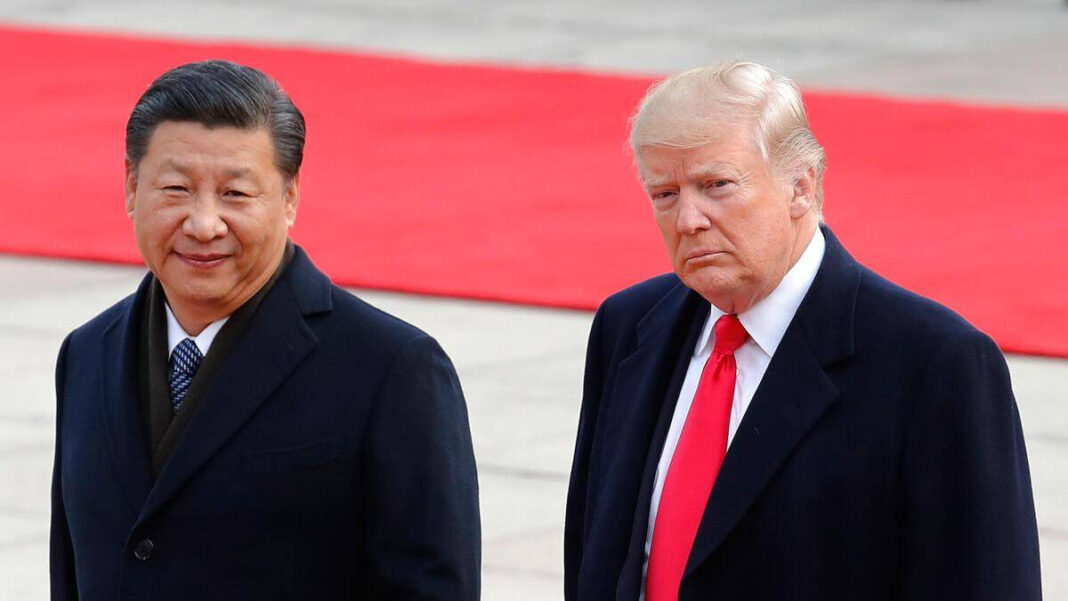
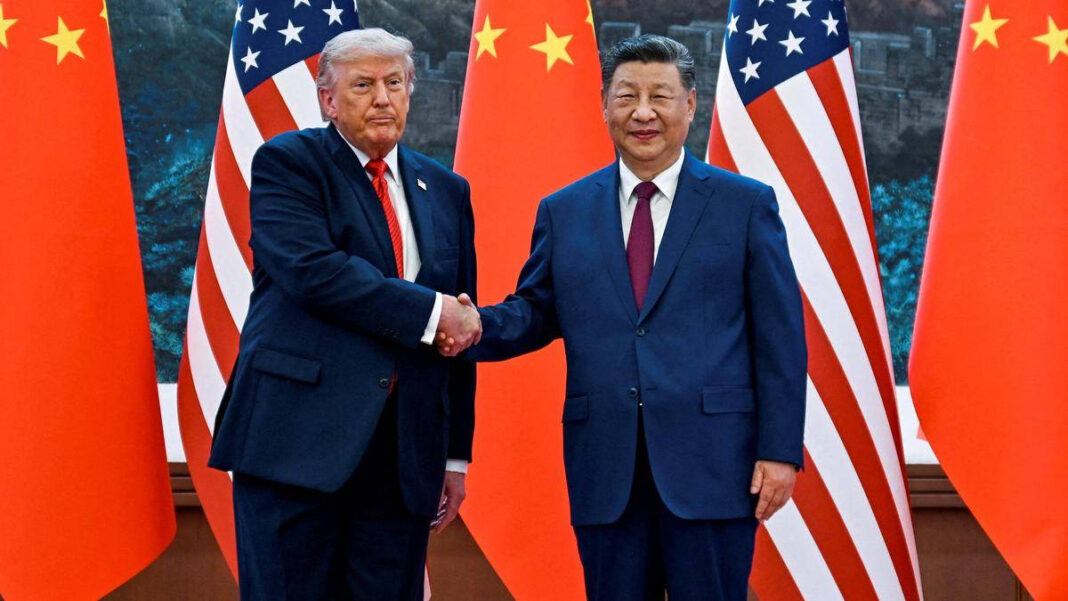
As the geopolitical landscape in East Asia continues to shift, Taiwan sits on edge, keenly observing the impending meeting between Chinese President Xi Jinping and former U.S. President Donald Trump. With tensions between the U.S. and China at a boiling point and Taiwan’s own sovereignty hanging in the balance, the Taiwanese government and its citizens are hopeful that the outcome of this high-profile encounter will favor continued U.S. support, particularly in the form of arms sales.
The Broader Context
Taiwan, a self-governing island that Beijing considers a breakaway province, has maintained a delicate status quo with China. The island has long relied on U.S. military support as a deterrent against Chinese aggression. Over the past few years, the U.S. has significantly increased its arms sales to Taiwan, supplying advanced weaponry such as F-16 fighter jets, anti-ship missiles, and advanced surveillance systems. This strategic partnership has angered Beijing, which sees such moves as a threat to its sovereignty and influence in the region.
The Xi-Trump meeting is particularly significant in this context. With Trump still a prominent figure in American politics and potentially a candidate for the presidency in 2024, his stance on China and Taiwan is of keen interest to policymakers in Taipei. Observers believe that the meeting could set the tone for U.S.-China relations and impact Taiwan’s security framework.
Taiwan’s Hopes for Arms Sales
Taiwan’s government has been vocal about its desire for continued U.S. arms sales, viewing them as essential for maintaining its self-defense capabilities. As Chinese military incursions into Taiwan’s air defense identification zone (ADIZ) become increasingly frequent, the urgency for Taiwan to bolster its defense has grown.
According to Taiwan’s Ministry of National Defense, it aims to strengthen its asymmetrical warfare capabilities, enabling it to deter potential aggression from China. The Taiwanese public largely supports this defense strategy, and there is widespread endorsement for U.S. arms sales as part of a broader strategy to ensure national security.
The hope is that a favorable outcome from the Xi-Trump meeting could reinforce U.S. commitment to Taiwan’s defense, dispelling fears of a potential thawing of relations between Washington and Beijing that might lead to reduced arms sales or military support.
An Uncertain Future
While Taiwan remains optimistic, the current geopolitical climate is fraught with uncertainty. President Biden’s administration has taken a more cautious approach towards China compared to Trump. However, the U.S. has maintained its support for Taiwan through various measures, including reaffirming its commitment to the Taiwan Relations Act, which emphasizes the U.S. obligation to assist Taiwan in maintaining its self-defense capabilities.
If Trump returns to power, there is speculation about how his administration would handle relations with China and Taiwan. His previous tenure featured a more aggressive posture towards Beijing, and a renewal of this approach could yield elevated levels of military support for Taiwan, which many see as being essential for the island’s survival amid rising Chinese assertiveness.
Conclusion
As Taiwan closely monitors the Xi-Trump meeting, its hopes for continued U.S. arms sales exemplify the island’s resolve in the face of external pressures. With the threat posed by China at an all-time high, Taiwan’s aspirations for military support reflect both its desire to remain a bastion of democracy and its determination to defend its sovereignty. The decisions made during this pivotal meeting will undoubtedly have far-reaching implications not only for Taiwan but for the entire region and the world order at large.