 "
/>
"
/>

Oil Prices Stabilize at Two-Week Low
Hope for Progress: U.S. and Iran Hold First Shuttle Talks in Months
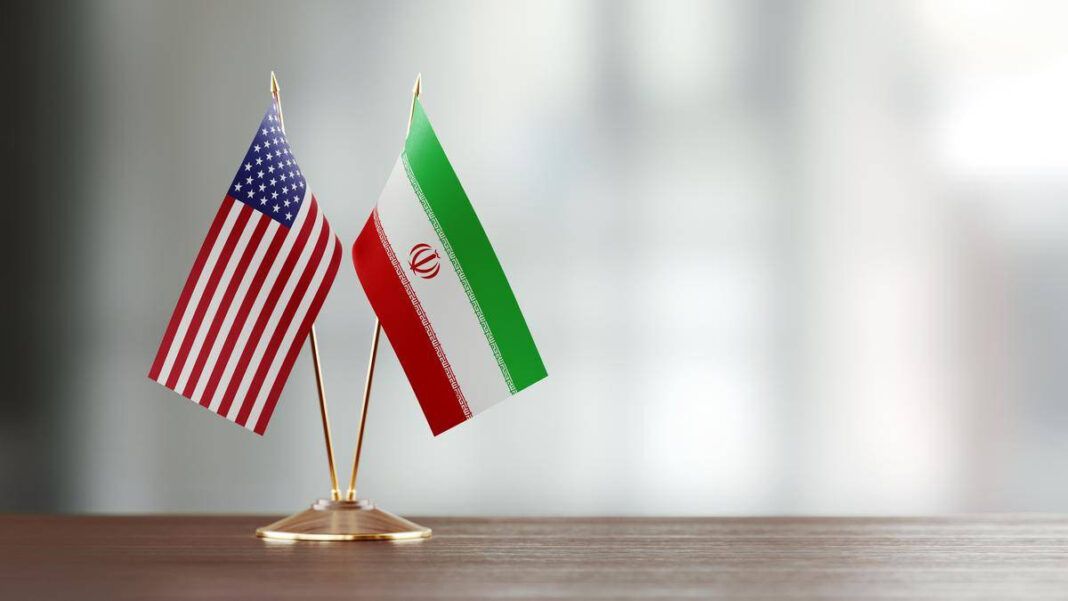
In a significant development in international diplomacy, the United States and Iran have resumed shuttle talks after a prolonged hiatus, sparking renewed hope for progress in one of the world’s most complex and volatile geopolitical relationships. These talks, which facilitate indirect communication between the two nations through intermediaries, signify a cautious but encouraging step toward addressing longstanding issues that have long plagued U.S.-Iran relations.
The Context of Shuttle Diplomacy
Shuttle diplomacy is a term made famous by former U.S. Secretary of State Henry Kissinger during the Middle East peace negotiations in the 1970s. It involves a mediator traveling back and forth between conflicting parties to facilitate communication and negotiations. In the case of the U.S. and Iran, the logic behind shuttle diplomacy is clear: direct communication remains fraught with tension, yet back-channel negotiations may provide a platform for resolving critical issues.
The U.S. and Iran’s relationship has been rocky for decades, characterized by mutual distrust, historical grievances, and explosive conflicts in the Middle East. The Joint Comprehensive Plan of Action (JCPOA), designed to curb Iran’s nuclear ambitions in exchange for economic relief, was a brief moment of rapprochement that unraveled after the U.S. withdrew from the agreement in 2018 under former President Donald Trump.
Key Topics on the Agenda
During these recent shuttle talks, several urgent topics are likely to be on the agenda. Foremost among them is Iran’s nuclear program, which many in the international community view as a significant security threat. Although the Iranian government has reiterated its commitment to peaceful nuclear energy, the enrichment of uranium closer to weapons-grade levels has raised alarm bells in Washington and beyond.
Another critical issue is the lifting of sanctions imposed by the U.S. on Iran, which has caused significant economic hardship for the Iranian people. The potential for sanctions relief looms large over these negotiations, as both sides look at the possibility of a more pragmatic approach to engage in dialogue.
Furthermore, regional stability will likely be discussed, particularly in relation to Iran’s influence in countries like Iraq, Syria, and Lebanon. The U.S. is keen to address concerns about Iran’s support for militant groups, while Iran seeks recognition of its role in the region.
Signals of Optimism
Despite a history of setbacks and failures in negotiations, the resumption of talks reflects a significant willingness from both sides to explore avenues for dialogue. Analysts suggest that the current geopolitical climate—marked by rising tensions in global energy markets and shifting alliances—creates a unique impetus for both the U.S. and Iran to achieve some level of understanding.
The Biden administration’s approach has been characterized by a mix of diplomacy and deterrence, which stresses the potential for dialogue while maintaining strong pressure on Iran regarding its nuclear activities and regional aggressions. Iran, on the other hand, has expressed a desire for economic relief and recognition on the world stage, particularly as it deals with domestic pressures and public discontent.
The Path Ahead
While these talks represent a positive step, it is essential to remain cautious. The road to meaningful progress is fraught with challenges, including domestic political considerations on both sides, public skepticism, and the influence of hardliners who may resist conciliatory moves.
Expert opinions vary on the potential outcomes of these renewed negotiations. Some view this as an opportunity to lay the groundwork for a new framework to limit Iran’s nuclear capabilities and address other pressing security concerns, while others remain skeptical about whether genuine progress can be made without significant changes in the underlying dynamics of U.S.-Iran relations.
Conclusion
The resumption of U.S.-Iran shuttle talks after months of impasse signals a pivotal moment in international diplomacy. The stakes are high, with implications that extend far beyond the bilateral relationship, affecting regional stability and global security. As the world watches, the hope for meaningful dialogue and progress remains—a reminder that even amid deep-seated animosities, the possibility for negotiation and understanding still exists. The coming weeks and months will be critical in determining whether these discussions can lead to substantive change or if history will repeat itself with yet another missed opportunity for peace.