 "
/>
"
/>

Title: Examining Enduring Militarization in Sri Lanka’s Tamil-Majority Areas: Insights from the Human Rights Commission
Introduction
Sri Lanka’s post-conflict era has been marred by concerns over human rights and the militarization of Tamil-majority areas. The National Human Rights Commission of Sri Lanka recently flagged continued militarization in areas historically affected by the ethnic conflict, highlighting broader issues related to governance, ethnic relations, and social justice. This article explores the implications of the Commission’s findings and delves into the ongoing ramifications of militarization for Tamil communities in Sri Lanka.
Context of Militarization
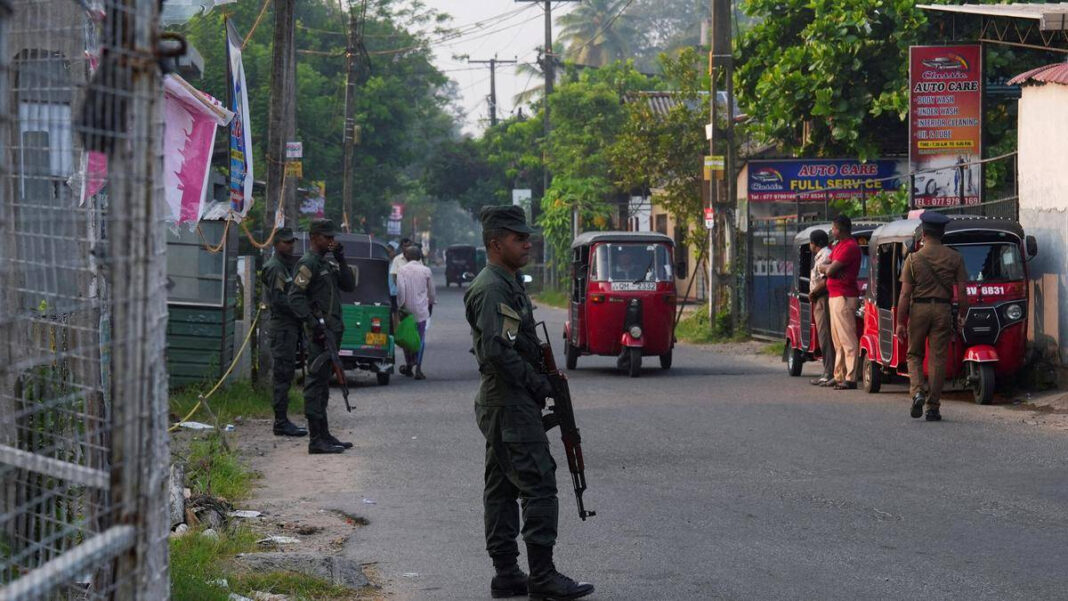
Since the end of the civil war in 2009, which pitted the Sri Lankan government against the Liberation Tigers of Tamil Eelam (LTTE), the military has maintained a dominant presence in the Northern and Eastern provinces. The government’s rationale for this presence has often centered on stability and national security, positioning the military as a key player in post-war reconstruction and development efforts. However, this militarization has raised significant concerns among Tamil communities and human rights advocates.
Findings from the Human Rights Commission
The Human Rights Commission of Sri Lanka has documented various incidents and trends that underscore the enduring militarization in Tamil-majority areas. Reports indicate that military personnel are involved in civilian administration, land management, and even local governance. This overlap has led to increased tensions and suspicions among the Tamil population, who often perceive the military’s role as an assertion of control over their lives and communities rather than a genuine effort towards reconciliation.
Further, the Commission has noted allegations of human rights abuses, including intimidation of civilians, enforced disappearances, and restrictions on freedom of movement and expression. The presence of military personnel in everyday life often creates an atmosphere of unease and apprehension, as communities navigate the complex dynamics between their struggle for recognition and the overarching authority of state security forces.
Impact on Tamil Communities
The militarization of Tamil-majority areas has profound implications for the socio-political landscape of Sri Lanka. It hampers the genuine processes of reconciliation and healing necessary for a post-conflict society. Many Tamils feel marginalized both politically and socially, as their voices are often overshadowed by military narratives and priorities.
Moreover, the continuous military presence raises questions about land use and ownership. The government has been accused of appropriating land for military purposes, further disenfranchising Tamil communities. Many families who were displaced during the war still face challenges in reclaiming their ancestral lands, contributing to a sense of loss and injustice.
Calls for Accountability and Reform
In light of the Commission’s findings, there is an urgent need for the Sri Lankan government to address the militarization issue comprehensively. Human rights organizations, both local and international, are calling for investigations into abuses and the establishment of a more equitable governance structure in affected areas. This includes reducing military influence in civilian matters and fostering greater engagement with Tamil communities to rebuild trust.
International stakeholders have also expressed concern over the situation in Sri Lanka’s Tamil-majority regions. Diplomatic pressure may be crucial in encouraging the government to take meaningful steps toward demilitarization and respect for human rights.
Conclusion
The Human Rights Commission’s recent flagging of enduring militarization in Tamil-majority areas serves as a poignant reminder of the challenges Sri Lanka faces in its pursuit of national reconciliation. For true peace to take root, it is imperative that the government acknowledges and addresses the legitimate grievances of Tamil communities. A shift towards demilitarization, accountability, and inclusive dialogue is essential for laying the groundwork for a just and lasting resolution to the lingering issues stemming from the country’s troubled past. Only then can Sri Lanka move beyond a fragile peace into a future that respects and upholds the rights of all its citizens.