 "
/>
"
/>

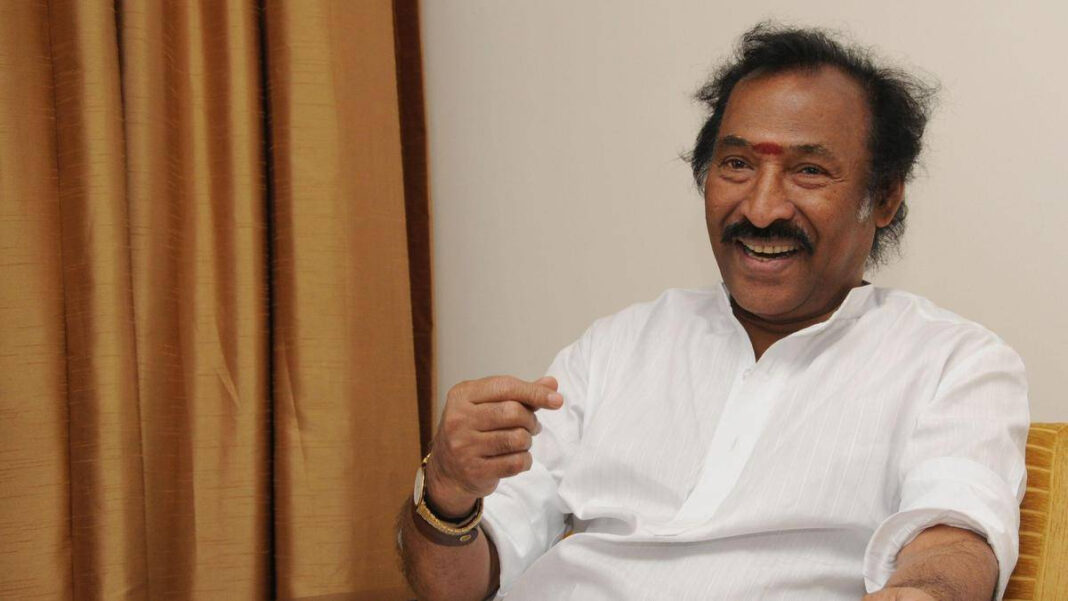
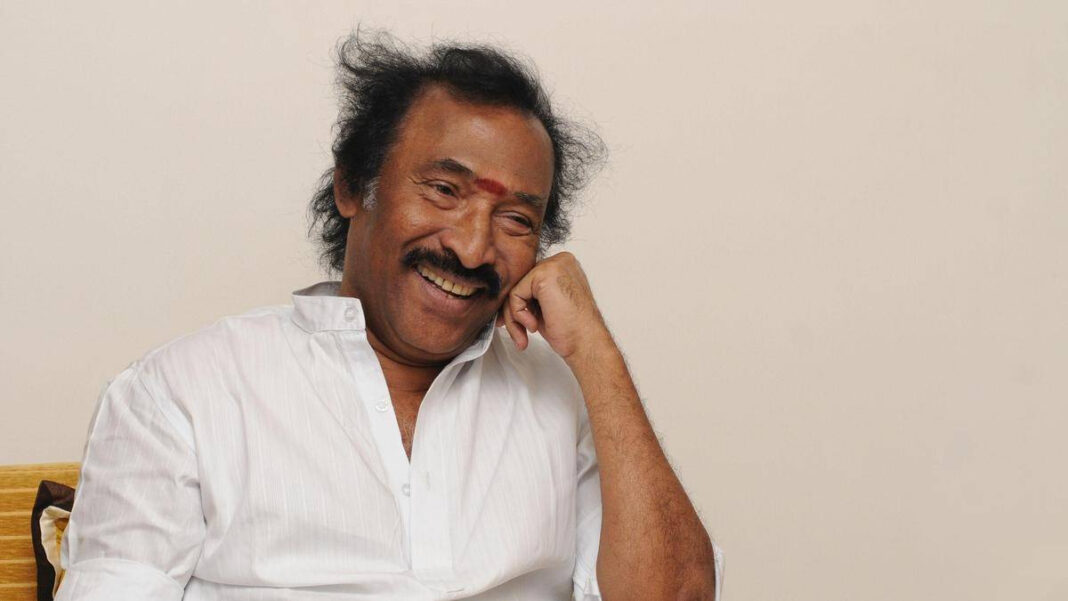
Deva, the Composer who Took Chennai’s Gaana to Mainstream Cinema, is No More
Tamil film music composer Deva, widely recognized for bringing the vibrant genre of gaana music into mainstream cinema, passed away on Saturday, October 17, 2026, at the age of 75. Hospital sources confirmed that he arrived without a pulse, and efforts to revive him were unsuccessful.
Background and Overview
Devanesan Chokkalingam, known affectionately as Thenisai Thendral Deva, carved a niche for himself in the South Indian music industry by blending the raw, earthy rhythms of Chennai’s gaana tradition with the expansive reach of Tamil cinema. His ability to weave together diverse musical styles—from classical influences to devotional sounds—set him apart as a remarkable figure in film music.
Deva began his career in the Public Works Department of the Tamil Nadu government before making his foray into the film industry. His debut as a film music composer occurred in 1986 with the movie Mattukkara Mannaru. Although the film did not do well at the box office, the songs it contained later garnered popularity, marking the first steps of a prolific musical journey.
Key Developments in Deva’s Career
Deva’s big break came with the film Manasuketha Maharasa, starring Ramarajan, but it was the 1990 release of Vaikasi Poranthachu that earned him notable recognition and his first Tamil Nadu State Film Award for Best Music Director.
His collaboration with megastar Rajinikanth became one of the defining characteristics of Deva’s career. The soundtrack for the blockbuster Annamalai showcased the hit song “Kondaiyil Thazhamboo, Nenjile Vaazhapoo, Koodaiyil Enna Poo“, which became a sensation and heightened the popularity of co-star Khushbu. All the songs in the film topped the charts, solidifying Deva’s status as a leading composer. Similarly, his work in Baashha produced the iconic refrain, “Baatcha, Baatcha“, which heralded a new chapter in Rajinikanth’s career, especially amid speculations regarding his political ambitions.
Another notable project was Arunachalam, where the song “Singam Ondru Purappattathey” reinforced Rajinikanth’s larger-than-life hero image. Deva’s talent shone brightly as he took on numerous film projects simultaneously, with reports indicating he had 20 films lined up shortly after the success of Annamalai.
Musical Innovations and Style
Deva’s compositions were marked by a unique blend of catchy beats and deep musicality. One of his remarkable hits, “Lalaku Dol Dappima“, from the film Suryan, highlighted his ability to create energetic music suited for dance performances, notably by Prabhu Deva. Other notable tracks include “Kavalaipadathe Sagothara“, which seamlessly fused gaana idioms with elements of Carnatic music to express the theme of love, and “Autokaran, Autokaran“, which captured the urban life’s vibrancy.
Deva’s versatility was evident as he drew from classical music, collaborating with some of the most prominent voices in Tamil devotional music. His work with artists such as Sirkazhi Govindarajan and P. Susheela produced timeless compositions like “Kariyangal Niraiverum Ganapathiye“, a beloved piece still resonating in temples across Tamil Nadu today.
Statements and Reactions
In an interview with The Hindu, Deva shared insights into his relationship with gaana music, stating, “Every music composer has a style of his own and is associated with a genre of music. I hail from Chennai, and gaana is inseparable from Chennaiites… It has a different taste and a very peculiar sound. It may sound raw, but the musicality of this genre is very deep.” This passion and connection with his roots endeared him to fans and musicians alike, establishing his legacy in Tamil film music.
Conclusion
Deva’s contributions to Tamil cinema and music are indelible, characterized by his ability to elevate traditional sounds into the mainstream. The music he crafted not only defined careers, including that of Rajinikanth, but also enriched the cultural fabric of Tamil Nadu. His passing is a great loss to the music community, but his melody and rhythm will continue to resonate through generations of listeners.