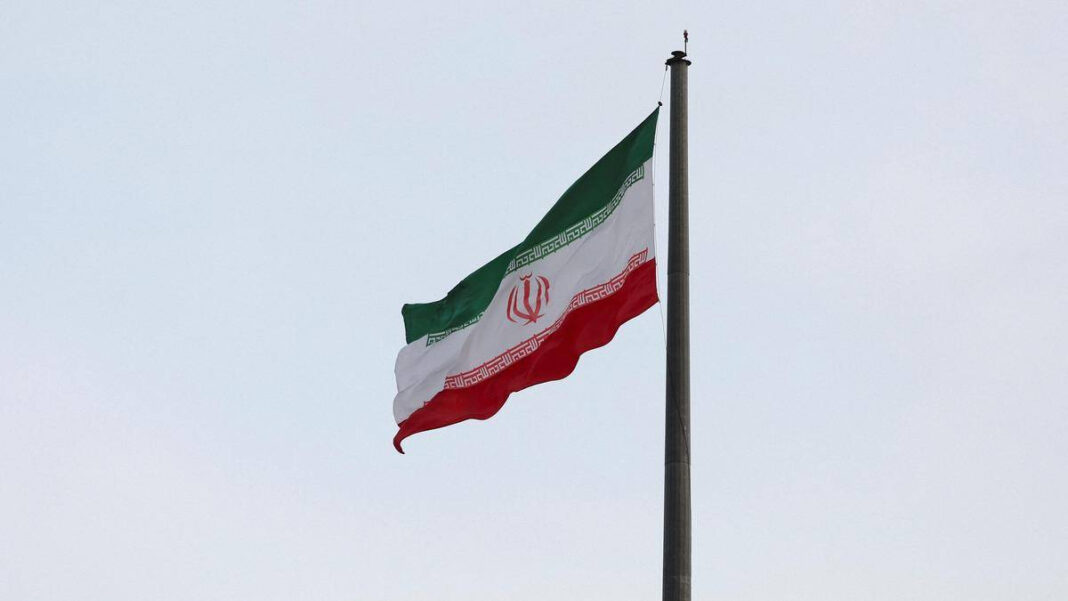

Iran’s Parliament Approves Mehrdad Akhlaqi as Minister of Defence
In a significant development for Iran’s political landscape, the Iranian Parliament has officially approved Mehrdad Akhlaqi as the new Minister of Defence. The decision, which took place during a parliamentary session on [insert date], marks a pivotal moment for the country as it continues to navigate complex geopolitical challenges in the region.
Background on Mehrdad Akhlaqi
Mehrdad Akhlaqi, previously held various positions within Iran’s military and defense establishment, including roles in strategic planning and operations. His extensive experience in defense policy and military affairs garnered him respect within both military circles and political arenas. Akhlaqi is known for his close ties with Iran’s Revolutionary Guard Corps (IRGC), which plays a crucial role in the nation’s defense and foreign policy.
Akhlaqi’s appointment comes amid heightened tensions with Western nations, particularly concerning Iran’s nuclear program and its involvement in regional conflicts. His experience suggests a continuation, if not an escalation, of Iran’s current defense strategies, emphasizing deterrence and regional influence.
Parliamentary Vote
The approval of Akhlaqi was met with a vote of confidence from the Members of Parliament (MPs), where he received an overwhelming majority. Many MPs expressed their support, emphasizing the need for continuity and strong leadership in defense as Iran faces various regional threats. During the parliamentary session, several legislators spoke passionately about the importance of bolstering Iran’s military capabilities in light of its ongoing confrontations with adversaries.
Implications for Iranian Defense Policy
With Akhlaqi at the helm, analysts predict a solidification of efforts to enhance Iran’s defense infrastructure, including military modernization initiatives. Akhlaqi has previously articulated views on the necessity of self-reliance in defense technologies, which aligns with Iran’s longstanding policy of developing indigenous military capabilities.
Moreover, Akhlaqi’s connection with the IRGC suggests that Iran may prioritize its paramilitary forces’ role in national defense and regional operations. Expectation is high that his leadership will further intertwine the civilian and military branches of government, enforcing a more unified approach to national security.
Regional and Global Reactions
The reaction to Akhlaqi’s appointment has been mixed. While supporters within Iran view it as a strategic move towards strengthening the nation’s defense, critics raise concerns over the potential for increased militarization and tension in an already volatile region.
Western nations, particularly the United States and its allies, are likely to monitor his tenure closely, especially regarding Iran’s missile program and influence in proxy conflicts across the Middle East. The approval may complicate diplomatic relations further, particularly as negotiations surrounding Iran’s nuclear program remain contentious.
Conclusion
As Mehrdad Akhlaqi steps into his new role as Minister of Defence, he faces significant challenges and expectations. His appointment reflects Iran’s determination to fortify its defenses amid external threats while navigating an intricate web of international relations. As the situation evolves, all eyes will be on Akhlaqi’s strategies and decisions, which will undoubtedly shape the future of Iran’s defense posture and its role in regional stability. The implications of his leadership will resonate not only within Iran but across the wider geopolitical landscape.