 "
/>
"
/>

At this New Delhi exhibition, Sarees of India, old weaves find new life
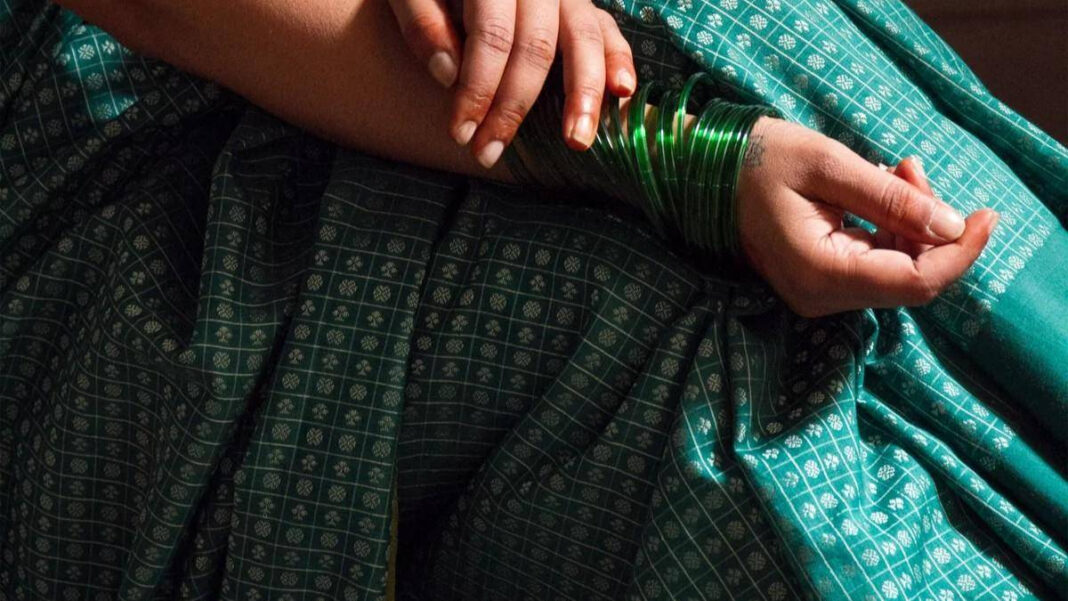
A Benaras, a Chanderi, or a Jamdani sari carries the imprint of a distinct weaving tradition, and it is this ethos that the Delhi Crafts Council seeks to celebrate through its annual exhibition, “Sarees of India 2026.” Now in its 22nd edition, the exhibition is set to take place from October 15 to 17 at the Aga Khan Hall in New Delhi.
Celebrating Tradition and Innovation
This year’s exhibition will feature 22 stalls, showcasing a rich variety of weaving traditions from across India. Visitors can expect to see regions renowned for their textiles, including Benaras, Bandhej, Ajrakh from Kutch, Khun weaves from Karnataka, and vibrant textiles from Odisha. The event not only features established handloom producers and organizations but also highlights the work of contemporary designers and entrepreneurs who collaborate with weaving clusters to create innovative designs.
Purnima Rai, former president of the Delhi Crafts Council, emphasized the exhibition’s focus, stating, “We make it a point that we bring only sari producers and makers. We don’t have dupattas or fabrics or any stitched garments.” The theme “Innovating Tradition” aptly captures the exhibition’s dual focus on preserving traditional practices while also embracing modern interpretations of the handloom arts.
A Long Journey to Curate
The selection process for the exhibition is no small task; it takes at least nine months to put together. Kamayani Jalan, current president of the Delhi Crafts Council, elaborated on this meticulous process. They draw from a diverse network to uncover new makers and ensure a compelling mix of weaving traditions, guaranteeing that each stall offers a unique display of craftsmanship.
Reviving Forgotten Traditions
In a special presentation dedicated to revival saris, the exhibition will spotlight four initiatives working to reinvigorate textiles and designs that have faded from production or public memory. Notable projects include the efforts of INTACH, which focuses on the Puneri sari, and a revival initiative for the Sausar cotton sari from the Nagpur region of Maharashtra, which has seen a decline in its weaving traditions.
Additionally, the showcase will feature Awadhi designs, meticulously reproduced within Bengal’s Jamdani tradition, reflecting research conducted in Tanda, Uttar Pradesh—a region where weaving flourished under the patronage of the Nawabs. Collectively, these projects highlight the extensive research and effort needed to bring lesser-known textile traditions back into circulation.
Honoring Craftsmanship
The exhibition will also honor craftsmanship through the annual Sutrakar Samman, which will be awarded to Vijay Kumar Tanti of Nepura village in Nalanda, Bihar. Tanti is recognized for his work with the Bawan Buti tradition, which features 52 motifs woven into textiles, including representations of lotus flowers, bodhi trees, peepal leaves, bulls, fish, stupas, and the Dharmachakra.
Tanti, who hails from a family of weavers, learned the craft from his father, an expert in tussar, khadi, and woolen textiles. Beyond his own creations, he has dedicated time to train young weavers at the Bhagalpur Weavers Training Centre and collaborates with Bunkar Bihar to promote the rich tradition of Bihar weaving. Notably, his two sons have followed in his footsteps, learning the art of weaving from him.
This award is designed to recognize skilled handloom weavers whose contributions often go unrecognized at the state or national level. The chief guest for the evening, designer and filmmaker Muzaffar Ali, will present Tanti with a certificate and a cash prize, underscoring the exhibition’s commitment to honoring the craftsmanship behind India’s diverse textile heritage.
A Look Ahead
By uniting a broad spectrum of makers and weaving traditions, “Sarees of India 2026” offers attendees a view of the sari that transcends its completed form, delving deep into the skills, research, and livelihoods that underpin this traditional attire. The exhibition is open to the public until October 17, at Aga Khan Hall, Bhagwan Das Road, New Delhi, from 11 AM to 7 PM.