
 "
/>
"
/>

‘Chainsmoker Cat’ Series Review: This Purrverse Cornucopia of Indignities is One of the Year’s Very Best
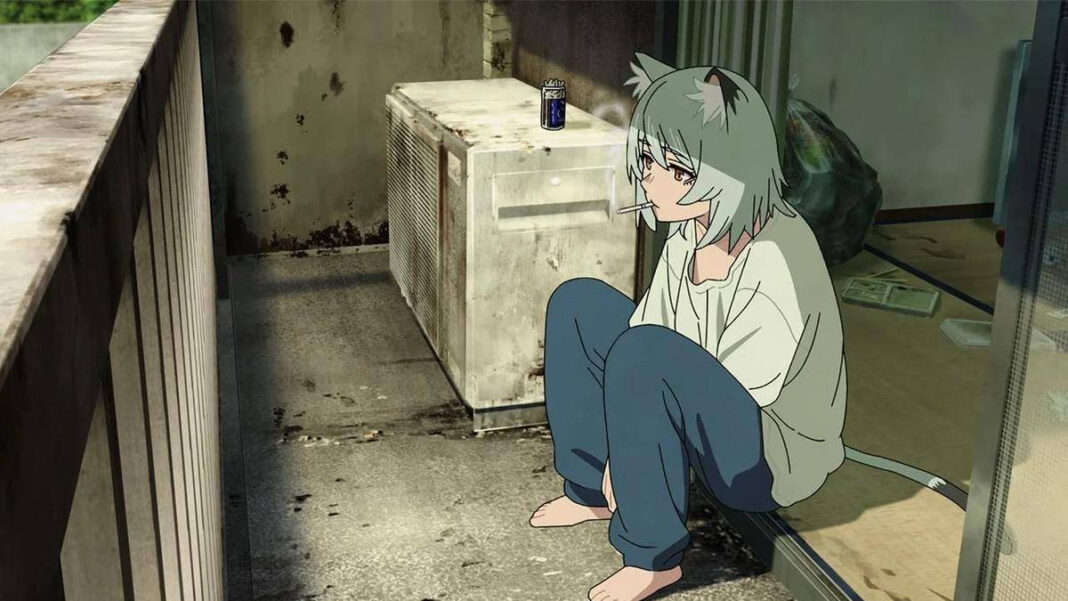
The latest anime offering, Chainsmoker Cat, adapted by Bibury Animation Studios from NyanNyanFactory, flips the genre on its head, daring to present characters that challenge the conventional notion of cuteness. In a world where kawaii characters often evoke instant affection and loyalty—a design that seamlessly nurtures a fondness—this series engages viewers in a chaotic, uncomfortable yet strangely endearing exploration of flawed lives.
Overview of Chainsmoker Cat
At the heart of Chainsmoker Cat is Yanineko, a 21-year-old catgirl beset by a unique twist on life: she is nicotine-addicted, perpetually broke, and forever entangled in an all-consuming cycle of chaos. The character, with her unabashed scavenging through pockets, ashtrays, and even more unsavory locations, embodies a relatable, albeit extreme, portrayal of modern-day struggles. Her living conditions echo her turmoil, described through an array of haunting adjectives suggesting the dire state of her existence, teetering on the brink of devastation.
Character Background
Yanineko’s challenges, however, are not solitary. Surrounding her in the building is an ensemble cast of disgruntled characters each battling their own demons. Among them is Yakuneko, a recovering delinquent grappling with drug issues; Hameko, an e-girl streamer whose online persona clashes starkly with her reality; Kansaineko, a university student pursuing humor while painfully lacking in comic timing; and Aruko, a self-destructive alcoholic perpetually cycling through juvenile behavior. Each individual brings to life a distinctive struggle for identity and stability, crafting a vivid tapestry of dysfunction and connection.
Thematic Explorations
The narrative of Chainsmoker Cat expands beyond the singular experiences of its characters. The show illustrates an anthological structure—an examination of lives intertwined within their shared chaos rather than a linear plot progression. Over its 12 episodes, viewers are taken on a journey through miniature stories that spill into one another, showcasing the absurdities of the beastfolk world in which these characters inhabit. Each episode’s innovative storytelling invites audiences to revel in the bizarre entrenched in their collective existence.
Humor and Absurdity
Highlighting its absurdist humor, Chainsmoker Cat presents situations so ludicrous that they defy conventional explanation. Describing these moments often suggests a collective mania among the writers, crafting scenarios that resonate with a depraved yet sensibly relatable vision of life. From encounters with the law to self-inflicted humiliations, the show is an unending exploration of personal calamitous choices and their comical consequences.
Understanding Addiction
Beneath the surface of its humor, Chainsmoker Cat offers a poignant exploration of addiction. It deftly navigates through Yanineko’s reliance on nicotine, detailing how it dictates her daily life, defining her sense of responsibility, her finances, and even her perception of ‘normal’. The narrative sheds light on the complexities surrounding addiction—not merely a matter of willpower but a multifaceted issue, intertwining dependency with survival. As various characters confront their compulsions, the show lays bare the struggle to find short-term solace in the midst of a chaos-filled existence.
Subversion of Femininity
In an intriguing commentary on gender norms, Yanineko’s portrayal also serves as a striking rebuttal to societal expectations of femininity. She embodies a rebellion against the traditional ideals of bodily management and social conformity, casting aside the script for a more nuanced, if vulgar, representation of womanhood. Through her character, female smoking—the act long seen as unfeminine—transforms into an emblem of personal defiance rather than empowerment.
Social Commentary
On a broader scale, Chainsmoker Cat touches upon themes of social exclusion, mirroring real societal disparities in Japan. The ‘beastfolk’ motif, while fantastical, cleverly reflects the marginalization that various social groups endure. The narrative draws attention to systemic discrimination, using humor to highlight serious societal issues without losing touch with the absurdity of the situation.
Conclusion
Ultimately, Chainsmoker Cat is a refreshing contribution to the anime landscape, successfully intertwining raw humor with poignant social commentary. It refuses to oversimplify its characters’ struggles, embracing their flaws while cultivating an environment of community and camaraderie within chaos. The series illustrates that, despite their shortcomings, these characters are more than just their addictions or misbehaviors; they’re friends, family, and resilient survivors of their unique plight. Chainsmoker Cat brilliantly encapsulates this theme, inviting viewers to reflect on the absurdities of life while simultaneously acknowledging the gentle bonds that tie us together.
Chainsmoker Cat is currently streaming on Netflix.