
Karnataka prepares for summer power demand as consumers report frequent outages
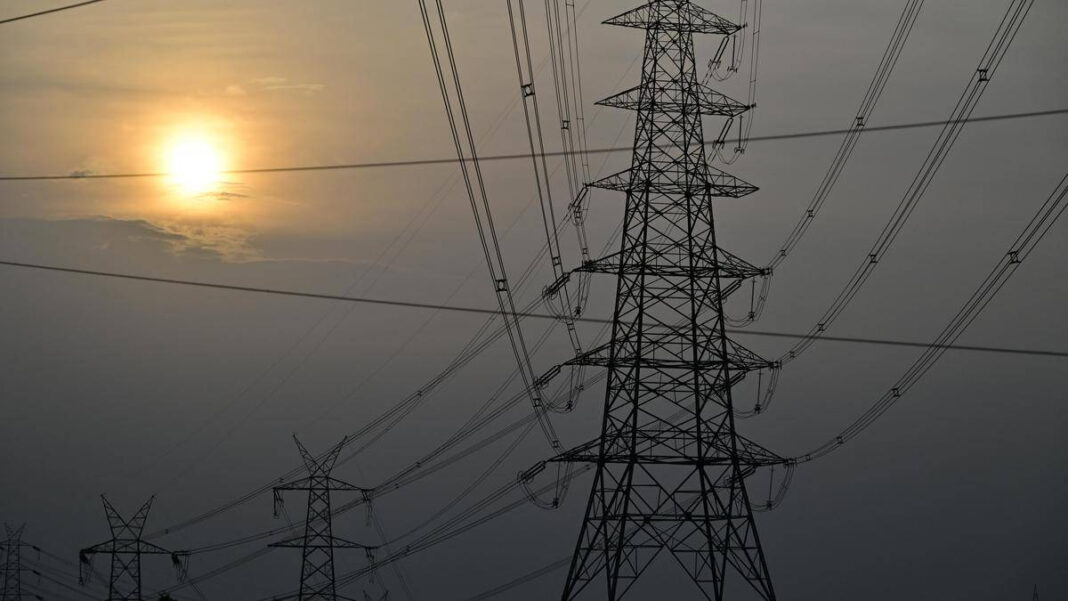
Amid persistent complaints of power cuts from several parts of Karnataka, including Bengaluru, the State’s Energy Department says it has significantly stepped up supply and is moving to secure additional capacity ahead of the peak summer months. Officials report that more than 3,000 MW has been added to the grid from various sources, even as residents say outages and short-term disruptions have intensified in recent days.
Demand trends and current supply position
Data from the State Load Dispatch Centre (SLDC) show daily energy demand at 298 million units (MU) on September 30, down from the levels reported earlier in the month. In early and mid-September, the State’s demand had touched 340 MU, reflecting a steep rise that the government has partially attributed to weather conditions.
“The power demand might have reduced due to the good rains received in the past few days. However, we are in a better position in terms of power supply when compared to other States in South India. Power disruptions might be due to overloading, line clearance and even maintenance works at substations that go on for a day,” an Energy Department official said.
According to the department, the additional supply has been mobilised from a mix of sources: increased state thermal generation, procurement from the central grid, and purchases from independent power producers. Officials say these steps are aimed at stabilising the network during the ongoing high-demand period and in preparation for the summer peak ahead.
Residents report repeated cuts
Despite the assurances, consumers across urban and rural areas have complained of frequent and prolonged supply interruptions. In Bengaluru, residents recounted multiple outages over the past week, often without advance notice.
“Recently, the Energy Minister said there would be no load-shedding for now. However, in the last few days, power cuts have been rampant in our area. I have lost count of the number of times there have been power failures in our apartment complex. We are managing only because of our generator backup,” said a resident near HAL.
In Rajajinagar, Girijamma said daytime supply had been unavailable for hours at a stretch. “For two days, power supply was unavailable from 10 a.m. and resumed only after 2 p.m. My son has to work from home and with such power cuts, it is difficult. When we call the helpline number, they say it is due to maintenance work,” she said.
Complaints were echoed from other districts as well. In Belagavi, Dr. Sanjay Zirali, who runs a small clinic, described the impact of repeated evening cuts. “I run a small clinic and power disruptions for two to three hours in the evening are a major problem as it becomes difficult to treat patients. I am planning to install an inverter or UPS,” he said.
Government outlines procurement and readiness plan
Minister for Energy and Tourism K.J. George said on Thursday that the State is fully prepared to meet electricity demand in the coming months, with plans in place to cover projected requirements. “As in the past, we are also exploring power procurement through exchange arrangements with Uttar Pradesh, Punjab and Haryana,” he said.
The Minister added that Karnataka has already procured 2,000 MW of thermal power in recent months to bolster availability. “Apart from State thermal generation, we have procured 2,000 MW of thermal power in recent months. The annual maintenance of KPCL’s thermal units has been optimised to ensure most units remain available for generation. Adequate coal stocks are being built up. In addition, power banking from northern States will be utilised from November onwards, depending on demand, to meet the State’s energy requirements,” Mr. George said.
Energy Department: surge driven by El Niño, additional power lined up
Gaurav Gupta, Additional Chief Secretary, Energy Department, said the State is focused on balancing the grid through the winter and into the summer. “The State is fully prepared to handle the power situation for now and during the upcoming summer months. We know that electricity demand increased by 30% in September, driven by the impact of El Niño. To meet the sharp increase in demand, the State has scaled up power supply by more than 3,000 MW to meet the additional load,” he said.
Mr. Gupta noted that from November 1, an additional 1,000 MW will be available as Karnataka stops returning power it had borrowed earlier from northern States. In parallel, the government has secured incremental capacity to cushion demand spikes. “An additional 230 MW is being taken in advance from other generators. Another 236 MW has been allocated to the State from the central pool (Eastern Grid). Further, a Section 11 notification has been issued by the Government of India with effect from October 1, which will make more power available in the exchanges,” he said.
Why cuts persist despite higher availability
Officials say the outages being reported are largely the result of localised challenges—overloading at the distribution level, routine line clearance, and planned or emergency maintenance at substations. Such activities, they noted, can lead to daylong disruptions in certain pockets even when overall supply is adequate.
Nonetheless, the frequency and timing of the outages have grown into a source of frustration for residents and small businesses, particularly those reliant on stable power for work-from-home schedules and service operations after dark. As the State increases its capacity cushion in the weeks ahead, consumers will be watching for whether these steps translate into fewer and shorter interruptions on the ground.
Long-term strategy: building storage to smooth peaks
Beyond immediate procurement, the government is banking on energy storage to strengthen grid resilience and integrate renewable power more effectively. Mr. George said Karnataka is taking “concrete steps” to build storage capacity as part of its long-term power security strategy. “Battery Energy Storage Systems (BESS) will provide greater flexibility in managing peak demand and integrating renewable energy into the grid,” he said.
Under Karnataka Power Transmission Corporation Ltd. (KPTCL), projects totalling 500 MW/1,000 MWh are in various stages of implementation. The Karnataka Renewable Energy Development Limited (KREDL) is pursuing a 250 MW solar project with 1,100 MWh of BESS at the Pavagada Solar Park. In addition, a 900 MWh BESS programme is being taken up, comprising 250 MW/500 MWh at Kushtagi and 200 MW/400 MWh at Huliyurdurga.
Outlook
With demand moderating from mid-September highs due to recent rains but expected to stay elevated, Karnataka is racing to firm up supplies through expanded thermal procurement, central allocations and power banking from November. The administration’s push to add storage and optimise thermal availability indicates a two-track approach—bridging near-term gaps while preparing for recurring peaks and deeper renewable integration.
For consumers, the test will be whether the added megawatts and planned banking arrangements reduce the incidence of localised outages that have disrupted households and small businesses in recent weeks. Energy officials insist the State is better positioned than its regional peers and say more capacity is on the way. Residents who continue to grapple with daylong maintenance-related shutdowns and evening cuts will be looking for swift, visible improvements as the State heads into the high-demand season.