
 "
/>
"
/>

El Niño Drives Drought, Followed by Floods: The Rollercoaster of Weather for North Andhra Farmers
In the realm of global climate phenomena, El Niño stands out as a significant influencer, having far-reaching impacts on weather patterns across the globe. For farmers in North Andhra Pradesh, India, this year has been a prime example of how El Niño can lead to a paradox of extreme conditions: drought followed closely by floods. This cycle has left many farmers struggling to cope with the unpredictable and devastating effects on their crops and livelihoods.
Understanding El Niño
El Niño is a natural climate pattern characterized by the warming of sea surface temperatures in the central and eastern Pacific Ocean. It typically occurs every few years and can modify weather patterns globally, including intense rainfall in some areas and drought in others. In India, El Niño has historically been associated with lower monsoon rainfall, particularly affecting agricultural regions that rely on consistent precipitation for their crops.
Early Indicators: Drought Conditions
As the El Niño phenomenon developed at the beginning of the year, North Andhra faced significant declines in rainfall. The monsoon, crucial for agriculture in the region, was notably weaker than average. Farmers, who primarily depend on the kharif season (June to September) for sowing and harvesting crops such as rice, cotton, and pulses, found themselves grappling with severe drought conditions.
By mid-summer, reports began to emerge of wilting crops, reduced yields, and drying soil. Many farmers were forced to abandon their sowing plans altogether, risking both their immediate income and future harvests. The situation was exacerbated by high temperatures, which further stressed the limited water resources.
The Tide Turns: Unprecedented Flooding
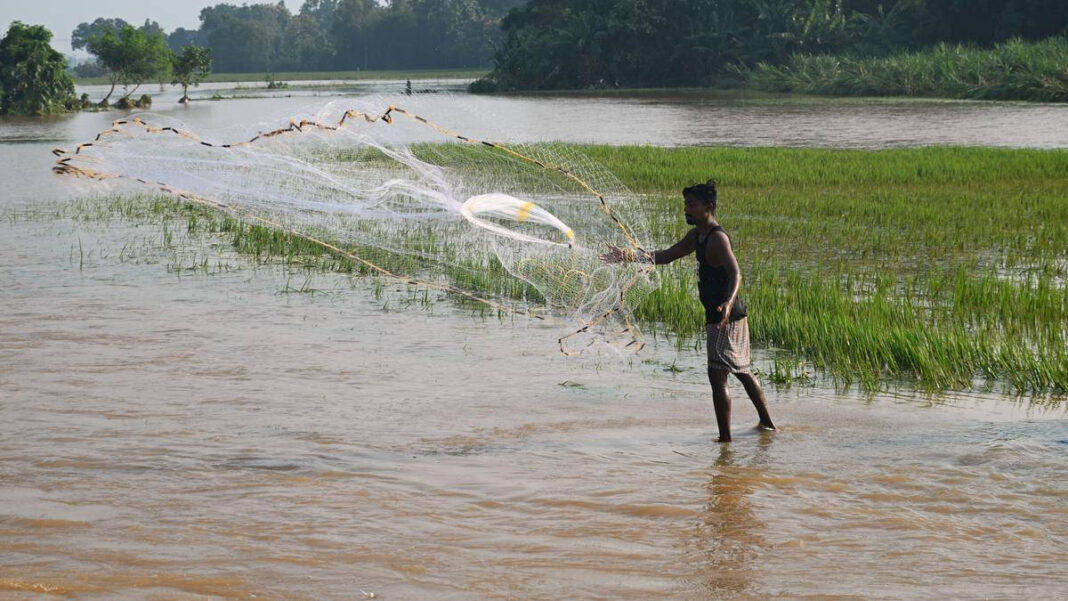
Just as the farmers of North Andhra began to assess the damage from drought, the weather patterns took a dramatic turn as the El Niño effect shifted. Late in the monsoon season, heavy unseasonal rains lashed the region, leading to widespread flooding. The sudden deluge overwhelmed rivers and drainage systems, causing waterlogging and inundation of croplands.
Farmers who had managed to salvage their drought-affected crops faced a new adversary as floodwaters washed away what little remained viable. Reports of submerged fields and lost seeds flooded local media, with many farmers witnessing their efforts obliterated in mere days.
The Aftermath: Agricultural Impact and Recovery Challenges
The dual crisis of drought followed by floods sent shockwaves through the agricultural community in North Andhra. The immediate impacts included significant financial losses, as many farmers were already struggling with the debts incurred during the dry spells. The loss of crops meant not only the loss of income but also threats to food security for these farming families.
Further complicating recovery efforts are the challenges of accessing government aid and support. Many farmers reported delays in receiving compensation and assistance, leaving them to navigate a tough road ahead with limited resources.
Resilience and Adaptation: The Path Forward
In the face of these challenges, resilience is key. Farmers are turning to various adaptation strategies to mitigate the effects of extreme weather. This includes diversifying crop choices, adopting water conservation techniques, and utilizing climate-resilient agricultural practices. Community support networks have also gained strength, with farmers sharing knowledge and resources to bolster collective resilience.
The government, acknowledging the impact of El Niño, is being called upon to establish better forecasting systems, improve irrigation facilities, and provide timely assistance to affected farmers. Investment in climate-smart infrastructure can also help cushion the agricultural sector against the severe effects of future extreme weather events.
Conclusion
The rollercoaster of droughts and flooding exacerbated by El Niño serves as a stark reminder of the challenges faced by farmers in a changing climate. For the farmers of North Andhra, this experience has been a harsh lesson in vulnerability – but it has also ignited a drive for resilience and adaptation. The hope lies in collective action, improved policies, and a commitment to sustainable practices that can help mitigate the effects of such climatic upheavals in the future. As the world grapples with the impact of climate change, regions like North Andhra serve as both cautionary tales and beacons of potential resilience.