
Encroachment of land in Mumbai
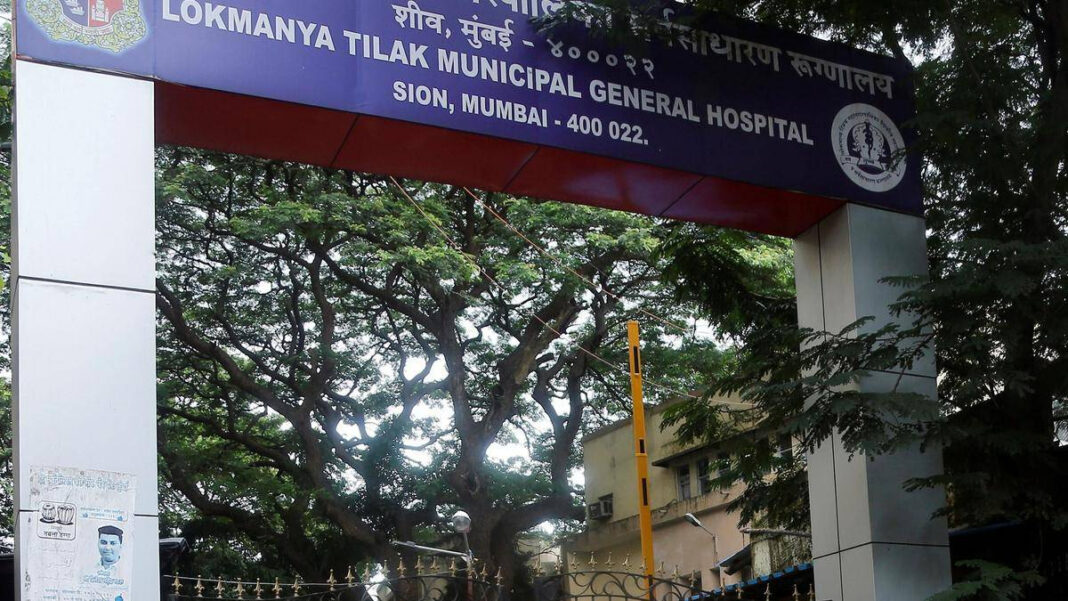
Raising alarm over what he describes as a creeping “builderdari” in India’s financial capital, Mumbai-based paediatric surgeon and social activist Santosh Karmarkar has warned that the steady conversion of public land into private luxury projects is stripping ordinary residents of vital civic spaces and services. He cites a recent controversy over a plot long used by Sion Hospital that is now slated for a luxury apartment tower as emblematic of a wider trend, and has called for urgent judicial intervention to halt further conversion of public land.
Background: A city’s space squeezed by “builderdari”
Invoking Rabindranath Tagore’s classic poem Dui Bigha Jomi (Two Bighas of Land), Karmarkar compares the common Mumbaikar to the dispossessed peasant whose plea to retain his last small plot is dismissed by a powerful landlord. “O Lord, countless are the plots of land you already own, But consider — I only have land enough to bury me when I’m gone!” the peasant says, only to be told, “Your half-acre will allow me to design a lovely fountain.” The peasant’s retort — “Spare this poor man’s land, or else he dies!” — mirrors, he argues, the helplessness of ordinary citizens in a city where access to land and decision-makers is controlled by a dominant builder lobby.
“Zamindari exists in India’s financial capital today. And it is called ‘Builderdari’,” Karmarkar writes, contending that Mumbai’s land use decisions increasingly prioritise private luxury over public need. He argues that the “aam Mumbaikar” cannot reach, let alone influence, the powerful realty interests shaping crucial allocations. The consequence, he says, is that public land meant for hospitals, transit, parks and affordable housing is walled off or repurposed for high-end real estate.
Patterns cited: From mill lands to seafront plots
Karmarkar outlines what he describes as a decades-long pattern of public-to-private conversion that has steadily eroded common spaces:
– Large tracts of former mill lands, once central to the city’s industrial workforce and dense working-class neighbourhoods, were converted into luxury malls and high-rise residences.
– Gardens and recreational plots, critical for open space in one of the world’s most crowded cities, were “usurped,” diminishing access to leisure and community areas for the majority.
– Prime parcels near railway stations were handed to builders instead of being set aside for public benefits such as expanding railway stations and bus terminals, despite persistent transport overcrowding.
– Redundant Port Trust lands, which Karmarkar argues could support broader public uses, are being leased to “builderdars and billionaires.”
As a recent example, he points to a prime plot facing the Sea Link bridge that was, a few months ago, walled off by a realty company owned by one of India’s richest billionaires. These choices, he argues, are steadily pushing the common citizen out of spaces that should serve collective needs, with the benefits accruing to a limited, affluent segment.
Sion Hospital land row: A flashpoint
According to Karmarkar, the issue “reached its zenith” with a plot that had been used for over 25 years by the civic-run Sion Hospital — one of Mumbai’s major public health institutions — now being taken over for a luxury apartment tower. He asserts that one of the “alleged builderdars” involved in this case has served as the Guardian Minister for Mumbai, raising concerns about political influence in land allocation decisions.
He stresses that the Sion Hospital’s need for land is not hypothetical but urgent and immediate. The institution, he says, requires more room for outpatient clinics, inpatient wards, its medical college and student facilities, as well as for parking and open areas used in patient rehabilitation. Describing the strain on the public health system, he writes that demand for beds and services is so high that conditions often resemble “wards in war zones,” with overcrowded corridors, two patients sharing a single bed, and medical equipment crammed into limited space.
In this context, Karmarkar argues, the decision to repurpose a prime plot that has supported Sion Hospital’s operations for decades epitomises misplaced priorities. “Do these builderdars, their political benefactors and their rich clients (who get world-class treatment in the city’s private hospitals) really care for the poor Mumbaikar?” he asks.
Public versus private priorities
Karmarkar frames the controversy as part of a recurring theme in Mumbai’s development model: the conversion of public land into private luxury residences. This approach, he argues, elevates the “luxury of a few over the lives of millions.” From the transformation of chawls — historically a crucial source of low-income housing — and defunct mills into upscale towers and malls, to the privatization of choice urban parcels, he contends that the city’s land-use decisions have long favoured elite interests while marginalising the majority.
The implications, he suggests, go beyond aesthetics or market preferences, striking at the core of social equity and urban functionality. Land that could alleviate pressure on public hospitals, decongest transport hubs, expand affordable housing, and deliver parks and playgrounds is instead cordoned off for private profit, eroding the city’s resilience and quality of life.
Call for judicial action
To arrest what he characterises as a systemic slide, Karmarkar urges the judiciary to step in. “The courts must take suo moto cognisance of this matter and seek a record of all existing public land in Mumbai and the suburbs and freeze any further conversion of public land,” he writes. In his view, an immediate and comprehensive inventory of public parcels, followed by a moratorium on their conversion, is “imperative for saving the lives of many Mumbaikars and the life of the city itself.”
He argues that such a step should have been taken “long ago,” but that the urgency of today’s healthcare and infrastructure pressures makes delay untenable.
What’s at stake
While the article does not detail ongoing legal proceedings or official responses to the Sion Hospital plot, it places the issue within a broader contest over who the city serves and how its scarce land is allocated. By framing the debate through the lens of public health, transport, and open space needs, Karmarkar seeks to re-centre land policy around the lived realities of Mumbai’s majority rather than the aspirations of its wealthiest minority.
Conclusion
Karmarkar’s commentary amplifies long-simmering concerns over land governance in Mumbai, invoking both literary metaphor and on-the-ground realities to argue that “builderdari” has entrenched a modern form of zamindari in the city. The Sion Hospital land dispute, he contends, crystallises a wider pattern in which public assets are steadily repurposed for private luxury, even as civic systems struggle under immense demand. His call for the courts to take suo motu cognisance and freeze further conversion of public land underscores a demand for accountability and a reset in priorities — one that, he argues, could determine not just the future of Mumbai’s skyline, but the well-being of its residents.
Author attribution: The views and assertions in this report are drawn from a commentary by Santosh Karmarkar, a paediatric surgeon and social activist based in Mumbai.