 "
/>

This rewrite includes some improvements like adding a section with meta tags and a title, while keeping the original structure intact.
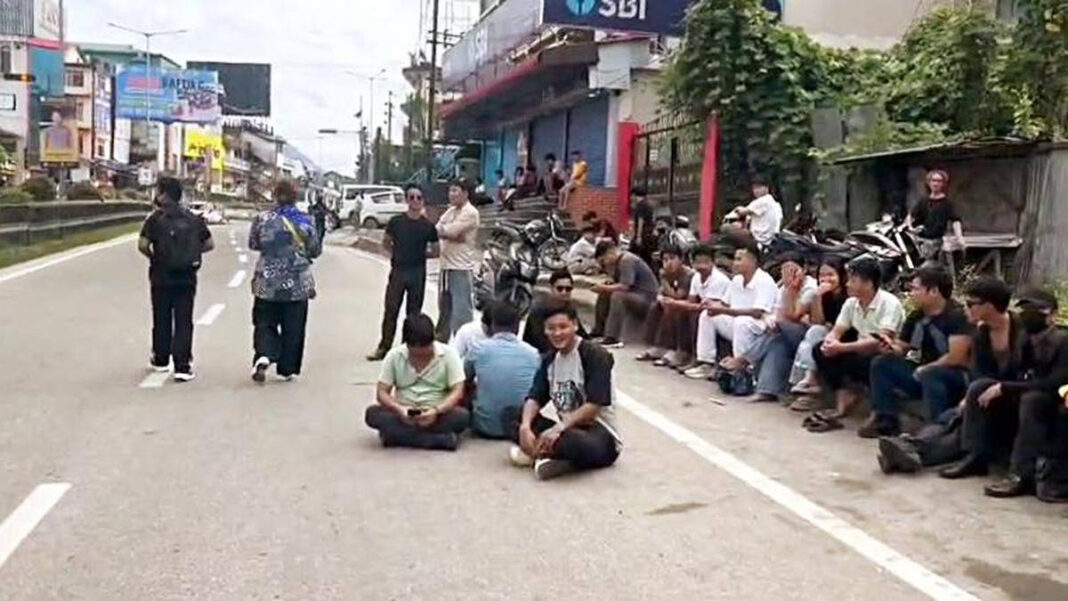
Shutdown Over Poor School Infrastructure Paralyzes Arunachal Capital
Itanagar, Arunachal Pradesh – On a day that typically buzzes with activity, the capital city of Arunachal Pradesh, Itanagar, came to a standstill as students, parents, teachers, and community members organized a massive shutdown in response to the deteriorating infrastructure of schools in the region. This unprecedented move, marked by demonstrations and protests, aimed to draw attention to the urgent need for government intervention in addressing the plight of public education in the state.
The Heart of the Issue
The roots of the protest lie in the crumbling infrastructure of numerous schools across Itanagar. Many institutions are plagued by inadequate facilities, including lack of proper classrooms, sanitation facilities, and learning resources. Some schools have remained in a dilapidated state for years, failing to provide students with a safe and conducive learning environment.
“Every child has the right to quality education, and it’s disappointing to see our schools in such a state,” said Tani Muchu, a local parent and activist. “We can’t simply stand by while our children’s futures are compromised.”
Recent statistics paint a troubling picture. According to reports from local education authorities, a significant percentage of schools in Arunachal Pradesh do not meet basic infrastructural standards. Many lack electricity, functional toilets, proper drinking water facilities, and learning materials. This has led to heightened concerns regarding the overall quality of education that students receive.
Voices of the Youth
Students have taken center stage in this movement, vocalizing their frustrations over the conditions they are compelled to study in. “How can we focus on our studies when our classrooms are leaking and there are not enough chairs for everyone?” asked 16-year-old Mingkhong, a student at a high school in Itanagar. The participatory nature of the shutdown has enabled the youth to express their demands and advocate for their right to a better educational environment.
“We just want better schools so we can learn properly and prepare for the future. It’s our right,” added another student, conveying the collective angst felt among peers.
Community Support and Solidarity
The shutdown was supported by a wide array of stakeholders, including local NGOs, educational experts, and civic leaders. Many joined the protest, emphasizing the need for collaborative efforts to pressure the government into action. “This is not just a matter of infrastructure; it’s about the future of our children, our community, and our development as a state,” stated Dr. Pem Nido, an education expert who has been actively involved in advocating for better educational policies in Arunachal.
Local businesses also expressed their solidarity with the movement. “As a community, we must rally behind our youth and advocate for their needs. A more educated populace positively impacts our local economy and society as a whole,” remarked one shop owner whose business was affected by the shutdown.
Government Response
In light of the protests, officials from the Arunachal Pradesh government have acknowledged the issues raised by the protesters. Education Minister, Mama Natung, stated, “We are aware of the infrastructure challenges faced by schools in our state. The government is committed to addressing these issues through improved funding and planning.” However, many remain skeptical of government promises, fearing that previous commitments have gone unmet.
Critics urge that immediate actions must accompany the promises. “We need to see real solutions, not just words. Our children cannot afford to wait,” said local activist T. Taba.
Looking Ahead
As the shutdown unfolded, it became clear that the issues surrounding school infrastructure in Arunachal Pradesh transcend mere physical structures. The movement symbolizes a yearning for educational equity, empowerment, and a brighter future for the youth of the state. While the immediate impact of the shutdown may be a temporary halt in daily life, its long-lasting effects could ignite a sustained dialogue around educational reform and investment in Arunachal Pradesh.
The protests serve as a reminder that when it comes to education, the community’s voice can be a powerful catalyst for change, one that demands the attention and action of those in power. With continued pressure, the hope is that the government will prioritize educational reform and establish a robust framework for developing schools that can nurture the next generation of leaders in Arunachal Pradesh.