 "
/>

This rewrite maintains the original HTML structure while updating attributes for clarity and readability.
Title: Albania Protests Enter Seventh Day as European Commission Condemns Violence
Date: [Insert Date]
Bllok, Tirana – The streets of Albania’s capital have become a battleground for protests, now entering their seventh day, with thousands of demonstrators calling for government accountability and reform. What started as a peaceful demonstration has escalated into a series of confrontations, prompting significant international concern, including a condemnation of the violence from the European Commission.
Background of the Protests
The protests erupted in response to growing dissatisfaction with the Albanian government, particularly led by Prime Minister Edi Rama’s administration. Demonstrators are primarily expressing their grievances over issues such as corruption, high living costs, and inadequate public services. Citizens claim that despite Albania’s aspirations to join the European Union, progress on democratic reforms has stagnated, resulting in widespread frustration.
Escalation of Violence
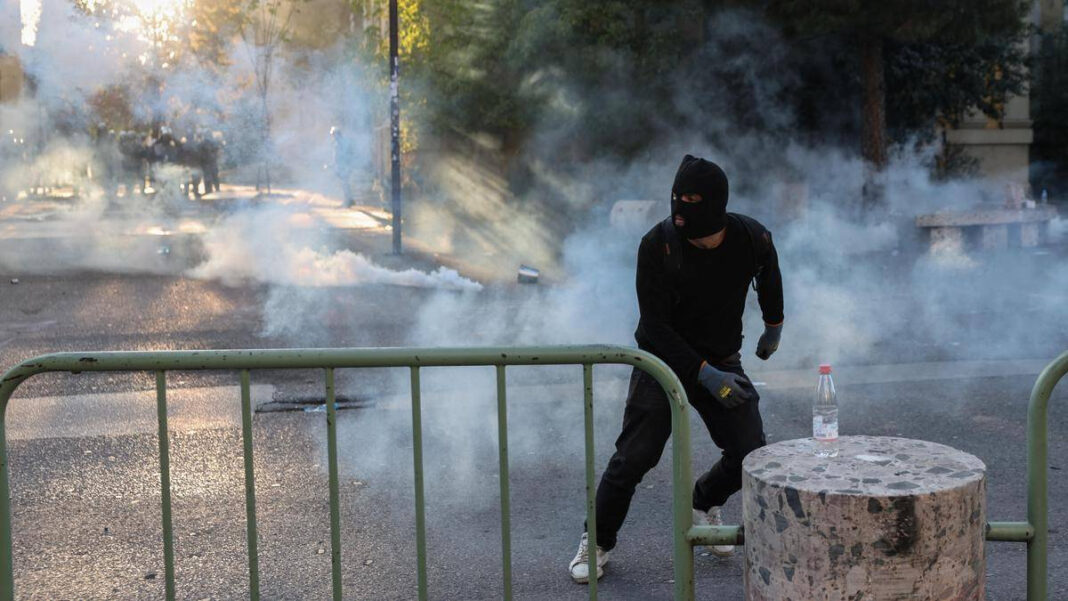
Initially characterized by peaceful gatherings outside government buildings, the protests took a violent turn last weekend. Clashes broke out between protestors and police, leading to injuries on both sides. Riot control measures, including tear gas and water cannons, have been employed to disperse crowds, raising concerns about excessive force. The situation has become increasingly volatile, with reports of vandalism and heavy clashes reported in various neighborhoods, particularly in the Bllok area, known for its vibrant nightlife and political significance.
European Commission’s Stance
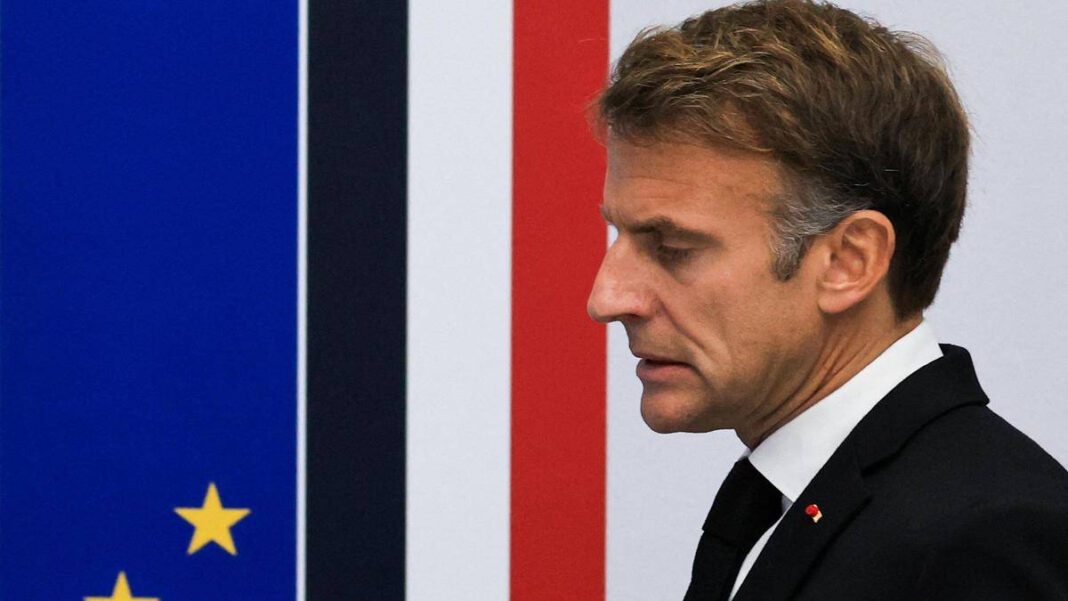
In response to the escalating violence, the European Commission released a statement offering its insights and expressing deep concern. “The European Commission condemns all forms of violence in protests,” the statement read. “We urge all parties to engage in dialogue and to prioritize the safety and rights of citizens.” The Commission emphasized the importance of upholding democratic freedoms, including the right to assemble and protest peacefully. This condemnation not only highlights the seriousness of the situation but underscores the EU’s commitment to monitoring developments in Albania as the nation seeks closer ties with Europe.
Political Reactions
Political leaders in Albania have also reacted to the turmoil. The opposition parties, many of which are part of the coalition that organized the protests, have called for Rama’s resignation, citing a failure to address the needs and concerns of the populace. In a press conference, opposition leader Lulzim Basha stated, “The voice of the Albanian people cannot be muted. We demand a government that listens and acts in their interests.”
On the other hand, Prime Minister Rama has defended the government’s response to the protests, arguing that it is necessary to maintain order. In his remarks, he acknowledged the citizens’ frustrations but emphasized the need for dialogue rather than violence. “We must find a way to address these issues without resorting to hostility,” Rama said.
International Response and Future Implications
As protests continue, the situation remains precarious, with both local and international observers keeping a close eye. The United States has also urged for restraint among demonstrators and law enforcement and has called for a peaceful resolution.
Looking ahead, the outcomes of these protests could have serious implications for Albania’s EU accession process. Progress on political and social reforms is essential for the nation, and the government’s ability to respond constructively to citizens’ concerns may play a critical role in shaping Albania’s future within the European framework.
Conclusion
As Albania enters the seventh day of protests, the call for change resonates louder than ever. With international bodies like the European Commission taking a stand against violence and urging dialogue, the path forward may well depend on the government’s willingness to listen and engage with its citizens. The eyes of Europe are watching as Albania grapples with its democratic ideals, striving for a more just and equitable society.