 "
/>

This version updates the document to HTML5 standards while preserving the original structure and functionality.
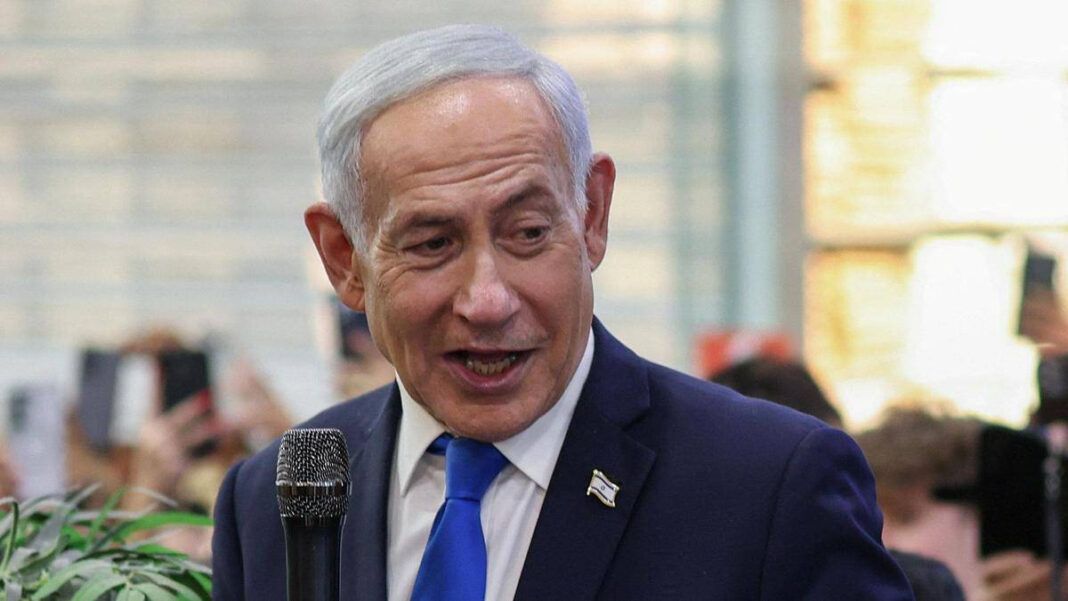
Israeli PM Netanyahu Warns of Potentially Hostile Future U.S. President, Calls for Alliances with India and Latin America
In a notable shift in geopolitical strategy, Israeli Prime Minister Benjamin Netanyahu has expressed concerns regarding the future of U.S.-Israel relations under a potentially hostile U.S. president. During a recent address, Netanyahu emphasized the need for Israel to seek and strengthen alliances with emerging powers, particularly India and nations across Latin America, as a hedge against uncertainties in its traditional ally, the United States.
The Context of Netanyahu’s Warning
As tensions have escalated in the Middle East, Netanyahu’s remarks reflect deep-seated anxieties within Israel regarding the trajectory of U.S. foreign policy. The Israeli leader pointed out that future political shifts in the U.S. could yield leaders less sympathetic to Israel’s interests, particularly in light of growing partisan divides over international issues. This sentiment has been echoed by various analysts who highlight the fragility of U.S.-Israel ties, a relationship that has historically been characterized by strong bipartisan support.
Strengthening Alliances
In light of these potential challenges, Netanyahu is pivoting toward enhancing Israel’s global alliances, particularly with countries like India and nations in Latin America. India, with its burgeoning economy and strategic geopolitical position, represents a key partner for Israel. Recently, the two nations have deepened their cooperation in sectors like technology, defense, and agriculture. Netanyahu’s government seeks to capitalize on this growing relationship, emphasizing shared democratic values and mutual interests.
Similarly, Latin America offers new opportunities for Israel to diversify its partnerships. With countries like Brazil and Chile increasingly looking to strengthen ties with Israel, Netanyahu’s outreach aims to fortify economic and cultural exchanges. As part of this strategy, Netanyahu envisions increasing trade, cooperation in technology, and cultivating political relationships that can bolster Israel’s standing on the world stage.
A Shift in Foreign Policy Dynamics
Netanyahu’s call for expanded alliances is also indicative of a broader trend in global politics, where nations are re-evaluating their foreign policies in response to shifting power dynamics. The potential for a U.S. administration that may prioritize isolationist or less supportive approaches could serve as a catalyst for countries like Israel to seek greater autonomy in defining their foreign relations.
This move aligns with a pattern seen in other nations that have begun to cultivate relationships beyond traditional allies, as demonstrated by European countries looking to strengthen ties with Asia and Africa.
Symbolizing Resilience
Netanyahu’s strategy to foster new partnerships also symbolizes resilience amid geopolitical uncertainties. By diversifying its alliances, Israel aims to build a more robust network of support that can withstand fluctuating political landscapes. Such resilience is crucial, as international cooperation is often weighted by the ideological leanings of national leaders.
Notably, Netanyahu’s remarks were also accompanied by calls for Israeli citizens to focus on innovation and the economy, further underlining the importance of self-reliance in dealing with global uncertainties. This approach reflects an understanding that while alliances are essential, domestic strength is paramount in ensuring national security and prosperity.
Conclusion
As Israeli Prime Minister Benjamin Netanyahu warns of a potentially hostile future U.S. president, the importance of strengthening alliances with countries like India and Latin America has become increasingly clear. In an era where global dynamics are rapidly shifting, diversifying partnerships is not just a strategy but a necessity for Israel’s diplomatic resilience.
The coming years will be crucial for Israel as it navigates an unpredictable geopolitical landscape, and the ability to cultivate meaningful alliances will likely play a pivotal role in shaping the nation’s future strategies and security. Whether Netanyahu’s caution proves to be prescient largely hinges on the evolving dynamics of U.S. politics and the global geopolitical environment as a whole.