 "
/>
"
/>

Title: Top Pakistan Commander Criticizes Rajnath Singh’s Remarks on Future Terror Attacks
In recent days, tensions have resurfaced between India and Pakistan, with significant political figures from both nations exchanging sharp rhetoric. One of the latest exchanges took place following remarks made by Indian Defense Minister Rajnath Singh, which were viewed as provocative by Pakistani officials and military leaders. In a world where geopolitical landscapes are often marred by historical conflicts, such statements can escalate already strained relations.
Context of the Remarks
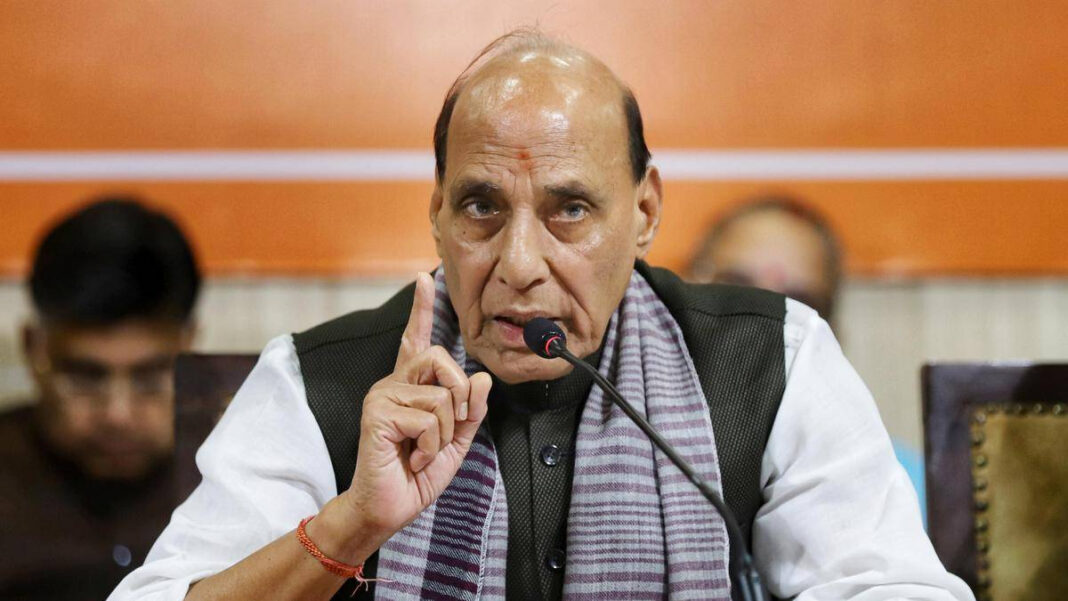
Rajnath Singh’s comments, made during a public address, suggested that India was prepared to counter any potential future terror attacks from across the border. He emphasized the nation’s resolve to keep its citizens safe and highlighted measures the Indian armed forces are taking to combat insurgency and terrorism more effectively. In a country still grappling with the traumatic aftermath of terror incidents in recent years, Singh’s words were framed within a narrative of vigilance and determination.
However, these remarks have drawn criticism from various quarters, with particular attention from Pakistani military officials who perceive this as an inflammatory statement that could exacerbate existing tensions between the two nuclear-armed neighbors.
Reaction from Pakistani Commanders
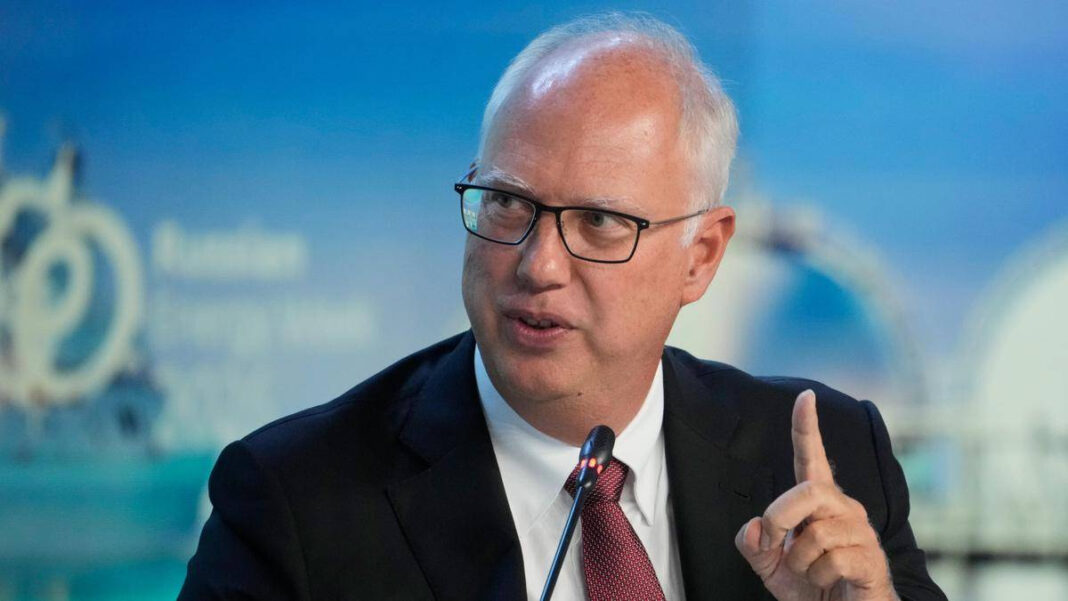
A notable figure responding to Singh’s assertions is a high-ranking commander of the Pakistan Army, who publicly condemned the remarks as reckless and provocative. The commander expressed concern that such statements could lead to miscalculations and even military confrontations between the two countries. This critique underscores a key issue in South Asian geopolitics: the fine line between national security rhetoric and the potential for escalation into conflict.
The Pakistani commander also refuted claims of supporting or harboring terrorist groups, asserting that such allegations are politically motivated and aimed at justifying military actions against Pakistan. He emphasized the need for dialogue and diplomacy to address shared security concerns instead of resorting to threat-laden discourse that only serves to inflame bilateral relations.
The Larger Implications
As the commander pointed out, rhetoric that bolsters a hardline stance can have significant consequences, potentially jeopardizing peace efforts in the region. The history of India-Pakistan relations is punctuated by conflicts, wars, and a persistent rivalry, which is often fueled by mutual distrust and accusations of supporting terrorism. Therefore, comments like those made by Singh, while aimed at ensuring domestic security, can inadvertently trigger a cycle of hostility and retaliation.
In the face of global challenges such as climate change and economic instability, experts argue that both nations would benefit more from engaging in constructive dialogue rather than trading barbs. The potential for collaboration exists, especially in areas such as counter-terrorism, trade, and humanitarian issues.
Conclusion
The exchange between Rajnath Singh and the Pakistani commander highlights the delicate balance in South Asian politics, where rhetoric can sway public sentiment and policy decisions. As both nations grapple with their historical grievances and security concerns, it becomes essential for leaders to navigate these waters carefully. The goal should be to foster an environment conducive to peace and cooperation rather than one that increases the stakes of military confrontation.
The call for de-escalation and diplomacy remains crucial, particularly in a region where misunderstandings have previously led to devastating consequences. As tensions simmer, the hope is that leaders from both sides will consider the broader implications of their words and work towards a more stable and peaceful future for South Asia.