
IAS officer’s foul language against female officer during meeting goes viral online, sparks protest from J&K officers
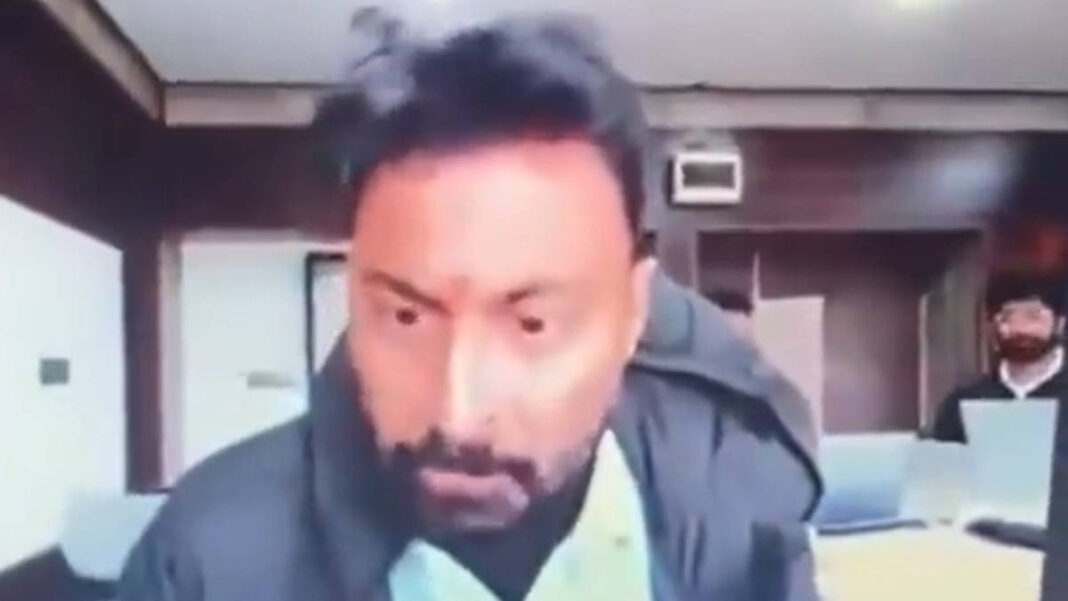
An Indian Administrative Service (IAS) officer in Jammu and Kashmir has drawn widespread criticism after a video of him using allegedly inappropriate and foul language against a female officer during an online official meeting surfaced on social media on Thursday. The clip, which shows IAS officer Kumar Rajeev Ranjan berating junior officer Beenish Wani, has prompted protests from local officers and condemnation from regional political leaders.
What the video shows
In the video, Mr. Ranjan is seen shouting at Ms. Wani during a review of the National Rural Livelihoods Mission (NRLM) in Ganderbal, central Kashmir. He appears visibly unhappy with the programme’s performance in the district. As tensions escalate, Mr. Ranjan can be heard directing his staff to draft a “suspension order of the female officer” over what he described as her remarks during the exchange. “The Chief Secretary has to dismiss her from service. Nothing less,” he says in the recording.
Speaking to The Hindu, Ms. Wani, who serves as Assistant Director, Employment, Ganderbal, said she had joined the meeting despite being on sanctioned leave. “I was on leave, but I still attended the meeting from home. Senior officers should respect the dignity of women,” she said, pushing back against the tone and conduct displayed in the meeting.
Officers rally in support
The clip triggered an immediate and sharp response from several officers in Jammu and Kashmir. Mantasha Binti Rashid of the Jammu and Kashmir Administrative Service (JKAS) publicly backed Ms. Wani in a post on Facebook, writing: “I stand in support of a fellow JKAS officer who is respectfully engaging with her boss in a meeting and trying to explain herself, whereas he’s acting like a hooligan as if engaging in a roadside brawl and using unparliamentary language with her.”
Ms. Rashid added that such interactions are not isolated incidents, describing some official meetings as “humiliating and demeaning.” She called on senior officials to “know what’s acceptable and where to draw a line, especially when dealing with local officers who often know much more about the matters on the ground.” She further asserted that the “official’s high-handedness can’t be accepted and tolerated,” and concluded: “Anything undignified in any professional set-up shall not be made a norm.”
Her post was amplified by other J&K officers, who launched an online campaign in support of Ms. Wani, arguing that accountability must be enforced without compromising professional decorum or dignity, particularly in public-facing programmes such as NRLM.
Political condemnation
The incident also drew criticism from political quarters. Former Jammu and Kashmir minister and Peoples Democratic Party (PDP) leader Naeem Akhtar said the episode reflected a “master-slave relationship established in Kashmir.” He praised the competence of local officers and alleged that “the officer who abused her has been in and out of jail for most of his career in a gun licenses scam.”
Mr. Akhtar stressed that there were legitimate administrative channels for seeking accountability without resorting to verbal abuse. “An IAS can’t abuse and treat locals as native subjects and themselves as sahibs,” he said.
Background on officer named in video
The criticism referenced earlier cases involving Mr. Ranjan. The gun license racket in Jammu and Kashmir has been the subject of multiple investigations and has implicated several officials over the years. In 2025, the Central Bureau of Investigation (CBI) also booked Mr. Ranjan, a 2010-batch IAS officer, “for amassing assets beyond legal income.”
Broader concerns raised
The viral video has reignited conversations within the J&K administrative community about workplace culture, gender sensitivity, and professional boundaries in government offices. Officers and commentators emphasised the importance of respectful engagement, especially in online meetings, where sharp exchanges are more easily documented and shared publicly.
At the centre of the debate is the question of how performance and accountability should be enforced within the bureaucracy. While senior officers are expected to set standards and drive outcomes, several voices within the administration argued that such authority does not extend to the use of abusive or demeaning language, particularly toward junior staff and women officers.
Significance
The episode has cast a spotlight on official conduct in Jammu and Kashmir’s civil services and drawn support for a code of behaviour that upholds dignity and due process. As the video continues to circulate, the backlash from officers and political leaders underscores the growing demand for accountability not only in programme delivery, but also in how authority is exercised within the government’s own ranks.