
 "
/>
"
/>

Gaza After Three Years
A New Direction?
From Iraq to Gaza: A Long Trail of Damage
The Middle East has historically been a region marked by conflict, struggle, and strife, with Iraq and Gaza standing as poignant examples of the far-reaching consequences of war and political instability. The trail of damage from Iraq to Gaza encompasses not only the physical destruction wrought by military actions but also the psychological scars, societal fragmentation, and humanitarian crises that persist long after the guns have fallen silent.
The Iraq Conflict: A Prelude to Regional Turmoil
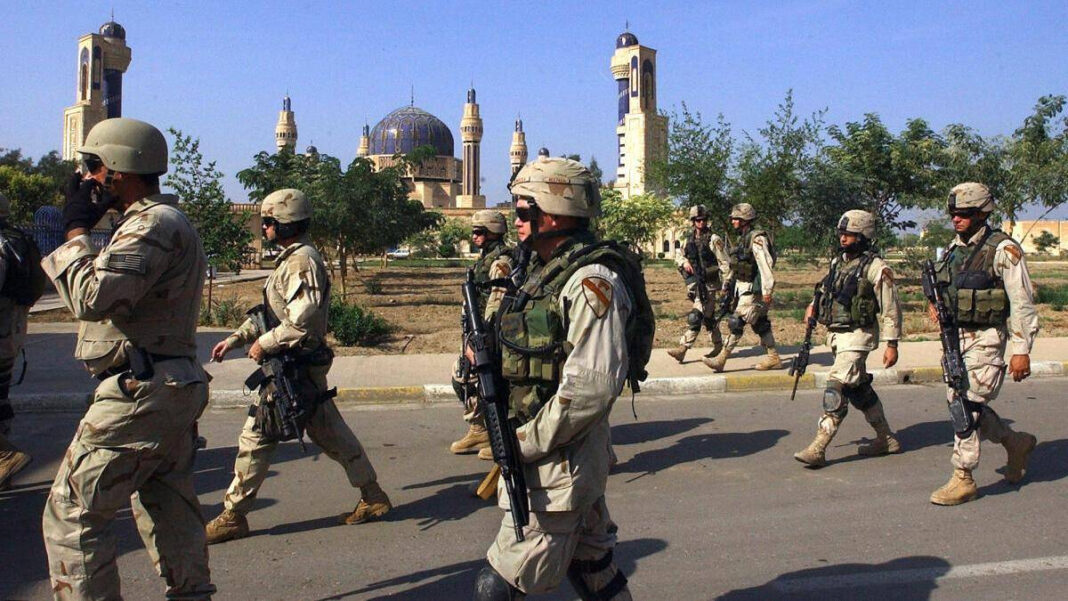
The invasion of Iraq in 2003 marked a significant turning point in the geopolitical landscape of the Middle East. What was initially framed as a mission to liberate the Iraqi people from a tyrannical regime quickly devolved into a protracted conflict characterized by insurgency, sectarian violence, and the rise of extremist groups. The devastation was not merely limited to infrastructure; it extended into the very fabric of Iraqi society.
The destruction of hospitals, schools, and basic services created a humanitarian crisis of staggering proportions. Millions were displaced, and those who remained faced dire living conditions. The secondary effects of this turmoil rippled out across the region, contributing to instability in neighboring countries, and creating a complex web of alliances and enmities that would shape future conflicts.
The Gaza Strip: A Microcosm of Conflict
Simultaneously, the Gaza Strip has endured its own unique and harrowing saga of violence. Since the early 2000s, the strip has been the focal point of repeated conflicts between Israel and various Palestinian factions, notably Hamas. Each outbreak of violence has left a trail of destruction: homes, schools, and hospitals have been bombed, infrastructure has been severely crippled, and the blockade imposed by Israel has resulted in dire humanitarian conditions.
Life in Gaza has been defined by shortages of food, clean water, and medical supplies, exacerbated by ongoing military engagements and the political impasse surrounding Israeli-Palestinian relations. The psychological toll on the Palestinian population, particularly the children, is profound—many grow up in a state of chronic trauma, witnessing the horrors of war and experiencing displacement, loss, and despair.
Interconnected Consequences
Though geographically separated, the conflicts in Iraq and Gaza are interconnected. The instability in Iraq has allowed extremist ideologies to proliferate, affecting Gaza and other parts of the Middle East. Groups like ISIS, which emerged from the ashes of the Iraq war, have attempted to exert influence over Palestinian territories, further complicating an already intricate landscape of violence and political friction.
In Gaza, the cycle of retaliation and counter-retaliation can often be traced back to broader regional tensions that include the sectarian divides exacerbated by the Iraq war. Power dynamics shift continually, with various actors vying for control and influence, while the civilian populations in both Iraq and Gaza bear the brunt of these power struggles.
Humanity Amidst Destruction
Despite the overwhelming damage, there are stories of resilience and humanity in both Iraq and Gaza. Local communities and international organizations strive to rebuild and provide humanitarian assistance. Grassroots movements emerge within Iraq to promote reconciliation and peace, while youth in Gaza demonstrate ingenuity and creativity amidst adversity.
However, these efforts are often hampered by ongoing violence and instability, making sustainable development a formidable challenge. The road to recovery is long and fraught with hurdles, necessitating not only physical reconstruction but also a commitment to addressing the underlying political grievances that fuel conflict.
Looking Forward: Paths to Healing
To move beyond a cycle of violence, both Iraq and Gaza must navigate a complex web of historical grievances, sociopolitical realities, and regional dynamics. At the heart of any lasting resolution is the need for inclusive dialogue that acknowledges the aspirations and rights of all parties involved.
International attention, dialogue, and intervention must focus not only on immediate ceasefires but also on creating frameworks for long-term peace and stabilization. A concerted global effort to address humanitarian needs, alongside a renewed commitment to diplomacy, could help break the cycle of damage and pave the way toward a future where stability is possible.
Conclusion
The trail of damage from Iraq to Gaza serves as a haunting reminder of the consequences of conflict. As history continues to unfold, it calls upon us not only to recognize the plight of those living amidst violence and uncertainty but also to advocate for a future built on understanding, healing, and cooperation. Only then can the scars of the past begin to heal, and can hope for a brighter, more peaceful tomorrow emerge amidst the rubble.