 "
/>
"
/>

Title: Trump Approves Firing Squad Execution for Fort Hood Shooter Nidal Hasan
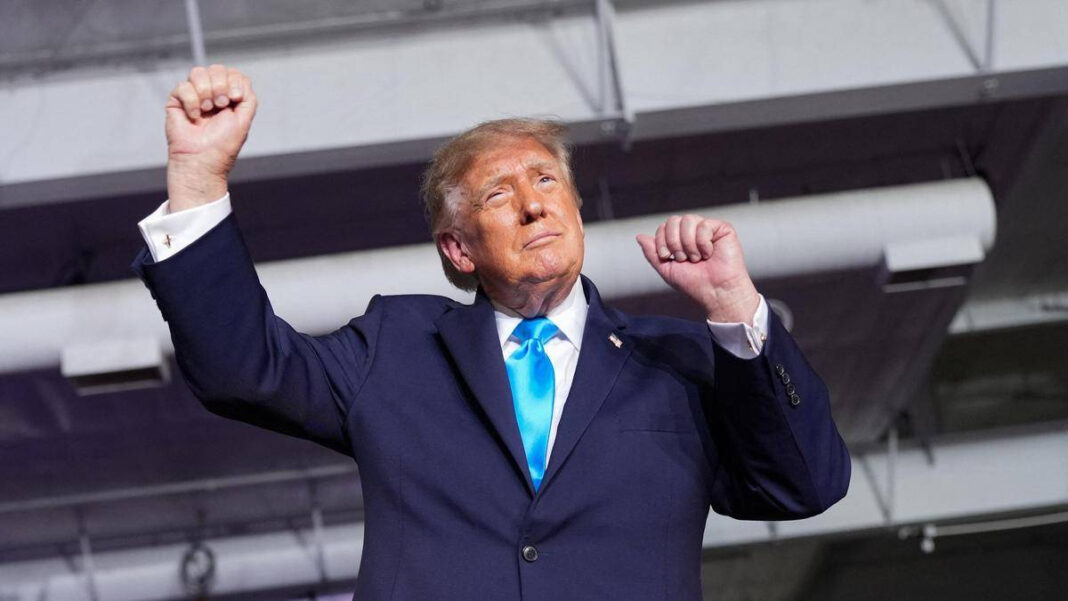
In a significant and controversial decision, former President Donald Trump has expressed his approval for the execution of Nidal Hasan, the perpetrator of the tragic Fort Hood shooting in 2009, by firing squad. This development has reignited discussions surrounding the death penalty in the United States, particularly in high-profile cases involving mass shootings and acts of terrorism.
The Fort Hood Shooting: A Tragic Event
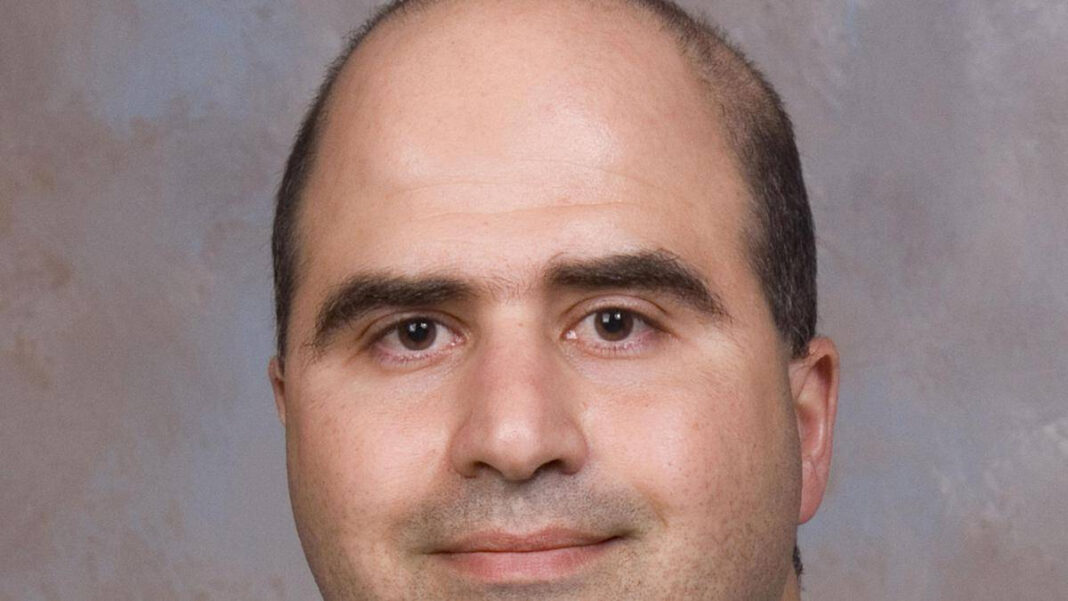
On November 5, 2009, Nidal Hasan, an army major and psychiatrist, opened fire at Fort Hood, Texas, killing 13 people and wounding more than 30 others in an attack labeled by many as an act of terrorism. The event shocked the nation and left deep scars in the military community. Hasan was apprehended at the scene, tried, and ultimately sentenced to death in 2013 after being found guilty on multiple counts of murder and attempted murder.
A Shift in Sentencing Methods
Under the Biden administration, discussions about capital punishment and its methods have intensified, with significant debates about the morality and efficacy of various execution methods. Trump’s approval of a firing squad represents a stark contrast to the more traditional lethal injection method, which has faced increasing scrutiny and legal challenges in recent years.
Firing squads have historically been used in the U.S. for executions in states where lethal injection has become problematic. Proponents argue that firing squads are more humane, as they can result in a quicker death. However, opponents assert that any form of capital punishment is inherently inhumane and raises ethical concerns.
Public Reaction and Legal Implications
The approval of Hasan’s execution method has drawn mixed reactions from the public and legal experts. Advocates for victims’ families express frustration that it has taken so long for the justice system to deliver a resolution to such a heinous crime. They argue that Hasan’s actions were a calculated betrayal of his role as a military officer and that he deserves the harshest punishment available.
Conversely, there are numerous groups who staunchly oppose the death penalty, viewing it as an ineffective deterrent to crime and fraught with potential for wrongful convictions and biases in sentencing. They argue that the focus should be on rehabilitation and restorative justice rather than retribution.
Political Ramifications
This decision is also expected to have political ramifications. For Trump, this move may resonate with his base, particularly those who prioritize law and order. However, it also risks alienating moderates and those who align with the growing movement against the death penalty.
In recent years, a handful of states have abolished capital punishment or halted executions altogether, reflecting a shifting national attitude. Trump’s endorsement of this execution method may further polarize the already divisive discourse surrounding criminal justice reform in America.
Conclusion
The recent approval of a firing squad execution for Nidal Hasan reignites the age-old debate over capital punishment in America and forces a reckoning with the implications of such a decision for justice, morality, and societal values. As these discussions unfold, the legacy of the Fort Hood shooting remains a poignant reminder of the complexities and tragedies of violence in contemporary society. As the legal process unfolds, the nation watches closely, recognizing that the consequences of this decision will extend far beyond the walls of a prison cell.