 "
/>
"
/>

Ukraine Open to Consider India’s Ceasefire Proposal: A Diplomatic Shift
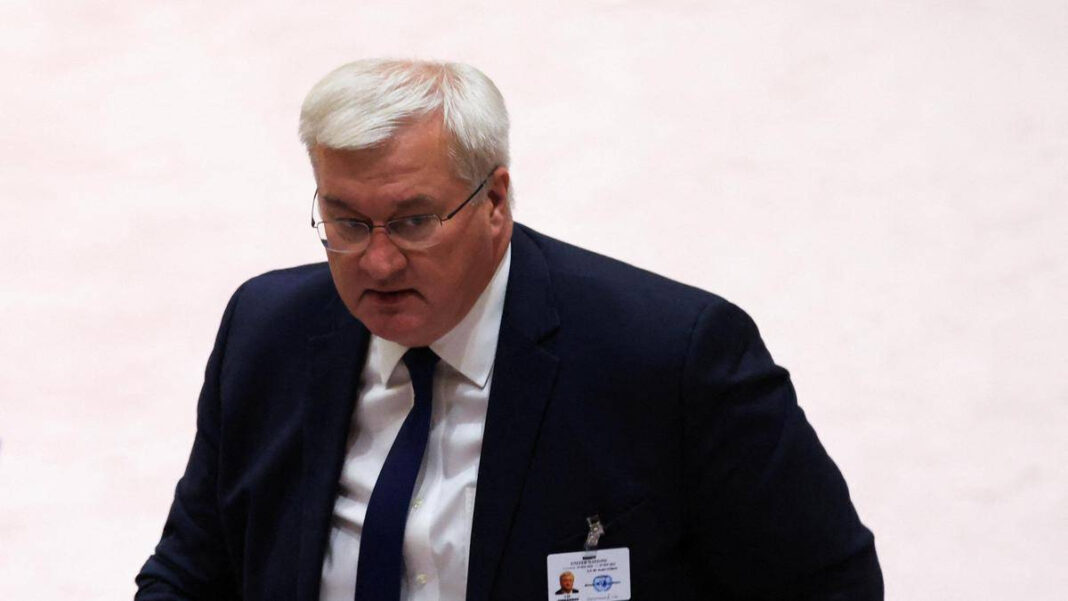
In a significant diplomatic development, Ukraine’s Foreign Minister Dmytro Sybiha recently indicated that the country is willing to consider a ceasefire proposal put forth by India. This announcement comes at a time when the ongoing conflict in Ukraine has intensified, leading to widespread devastation and humanitarian crises.
Background
The Russo-Ukrainian War, which escalated dramatically in 2022, has resulted in tremendous loss of life and has had far-reaching implications not only for the region but for global security dynamics as well. As fighting continues, the call for peace and stability grows louder, with various nations offering to mediate.
India, historically maintaining a neutral stance on the Ukraine conflict, has been advocating for a diplomatic resolution since the beginning of the war. With its long-standing ties to both Russia and Ukraine, India has positioned itself as a potential facilitator for peace talks. The proposal for a ceasefire was unveiled during discussions between Indian officials and their Ukrainian counterparts, emphasizing India’s proactive role in fostering dialogue.
The Proposal
Foreign Minister Sybiha expressed Ukraine’s readiness to explore India’s initiative as a viable path toward ending hostilities. During a recent press conference, he stated, “We are open to any constructive proposals that can lead to a ceasefire and pave the way for negotiations. India’s position brings a balanced perspective that we appreciate.”
The ceasefire proposal by India aims to establish an immediate cessation of hostilities, allowing humanitarian aid to reach those affected by the conflict and creating a conducive atmosphere for peace talks. The emphasis on dialogue over escalation aligns with the urgent need for stability in the region.
Implications for Diplomacy
Ukraine’s willingness to consider India’s ceasefire proposal signals a strategic shift in its diplomatic posture. It highlights the importance of multilateral dialogue and the recognition that diverse mediators can play a crucial role in resolving protracted conflicts. Moreover, this move could potentially encourage other nations to step up their diplomatic efforts, fostering a more concerted international response to the crisis.
For India, this development is pivotal. By positioning itself as a peacemaker, India aims to bolster its standing on the global stage and assert its influence in international affairs. Prime Minister Narendra Modi’s government has consistently emphasized the importance of dialogue and diplomacy, and this proposal aligns with its foreign policy objectives.
Humanitarian Considerations
Beyond the political ramifications, the human cost of the conflict continues to escalate, with millions displaced and countless lives lost. The prospect of a ceasefire brings hope, as it may lead to the restoration of essential services, medical aid, and food supplies to those in dire need. Both Ukraine and India have underscored the humanitarian aspects of the proposal, which could serve as a crucial motivation for both sides to agree on terms for a truce.
Conclusion
As Ukraine expresses its willingness to consider India’s ceasefire proposal, the international community watches closely. This moment may offer a unique opportunity to shift the dynamics of the conflict towards peace. With ongoing efforts to mediate, the hope remains that dialogue will prevail over discord, leading to a meaningful resolution that addresses the grievances of all parties involved.
The road ahead, while fraught with challenges, is paved with possibilities for a peaceful and stable future in Ukraine, and the role of India in this process may become increasingly pivotal. As global citizens, all eyes will be on the unfolding events, hoping for a breakthrough that resonates far beyond the borders of Ukraine and Russia.